Blogs Where Nature Meets Science & Coatings
"If All the Greedy People that Pollute can get Together & Show Strength in Unity – then Honest, Environmentalists Must Do the Same. You See – It’s as Simple As That.” George C. Keefe - ENCASEMENT Guy
Blogs Where Nature Meets Science & Coatings
"If All the Greedy People that Pollute can get Together & Show Strength in Unity – then Honest, Environmentalists Must Do the Same. You See – It’s as Simple As That.” George C. Keefe - ENCASEMENT Guy
Tuesday, February 10, 2026

By: George Keefe
"If all the greedy polluters can band together to protect their interests, then honest environmentalists must do the same. It's as simple as that.
Listen and Learn: Dive into the Audio Version of Our Blog
Every day, construction dumpsters overflow with perfectly salvageable materials—wood, metals, concrete, insulation—all destined for landfills.
This isn't just waste; it's a crisis quietly accelerating climate change while we watch.
The building industry's remove-and-replace cycle has become an environmental time bomb, and we're running out of time to defuse it.
The Problem We Can No Longer Ignore
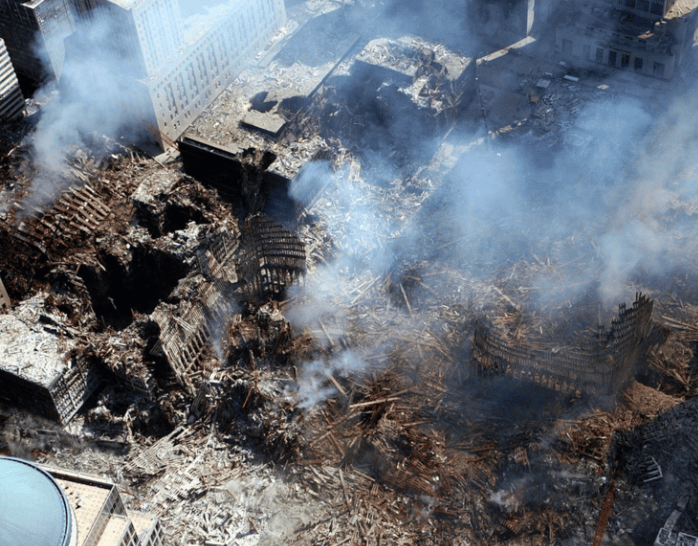
The construction and demolition sector generates over 600 million tons of waste annually in the United States alone.
When we tear out functional kitchens, replace adequate flooring, or demolish buildings that could be renovated, we're not just discarding materials—we're perpetuating a vicious cycle that's heating our planet at an alarming rate.
Every replaced window, ripped-out cabinet, and demolished wall represents embodied carbon that was already invested in manufacturing, transportation, and installation.
That carbon sacrifice becomes meaningless when these materials end up in landfills, releasing methane as they decompose and demanding new resources to manufacture replacements.
The environmental mathematics are staggering.
Producing new construction materials accounts for approximately 11% of global carbon emissions.
Cement production alone contributes 8% of worldwide CO2 emissions.
Meanwhile, our landfills are choking on construction debris that could have served decades longer.
We're essentially mining virgin materials, burning fossil fuels to process them, then discarding the results after a fraction of their useful life—only to repeat the cycle again and again.
Solutions Within Our Reach
The empowering truth is that we already possess the solutions to break this destructive pattern.
Adaptive reuse and renovation can reduce carbon emissions by up to 75% compared to new construction.
By choosing to restore rather than replace, we preserve the embodied energy already invested in existing materials while dramatically reducing demand for carbon-intensive new production.
Circular economy principles are revolutionizing how forward-thinking builders approach projects.
Material reclamation, where components are carefully deconstructed and repurposed, keeps valuable resources in circulation.
Modular design allows buildings to evolve without wholesale demolition. Even simple choices—refinishing instead of replacing, repairing instead of discarding—create ripple effects that reduce our collective carbon footprint.
Technology is also emerging as a powerful ally.
Digital material passports track building components, making salvage and reuse systematic rather than accidental.
Innovative companies are transforming construction waste into new building materials, closing the loop on what was once considered garbage.
The Results We Can Achieve Together
When we commit to ending the remove-and-replace mentality, the results transform entire communities.
Buildings that honor their existing structure while upgrading performance become showcases of sustainable innovation.
Carbon emissions plummet.
Landfills receive less waste.
Local economies benefit from restoration jobs that require skilled craftsmanship rather than demolition labor.
Most importantly, we reclaim agency in the fight against climate change.
Every renovation chosen over replacement, every material salvaged instead of dumped, represents a tangible victory.
These aren't abstract environmental gestures—they're powerful actions that immediately reduce the building industry's contribution to global warming.
The remove-and-replace cycle isn't inevitable; it's a choice.
And today, right now, we can choose differently.
Our buildings, our planet, and future generations are depending on us to make the sustainable choice before we lose the opportunity to reverse course.
"The Buildings we choose to Save today determine the world we live in tomorrow." Jane Jacobs, Urbanist & Author.
See other posts like this one:
Tuesday, September 01, 2020
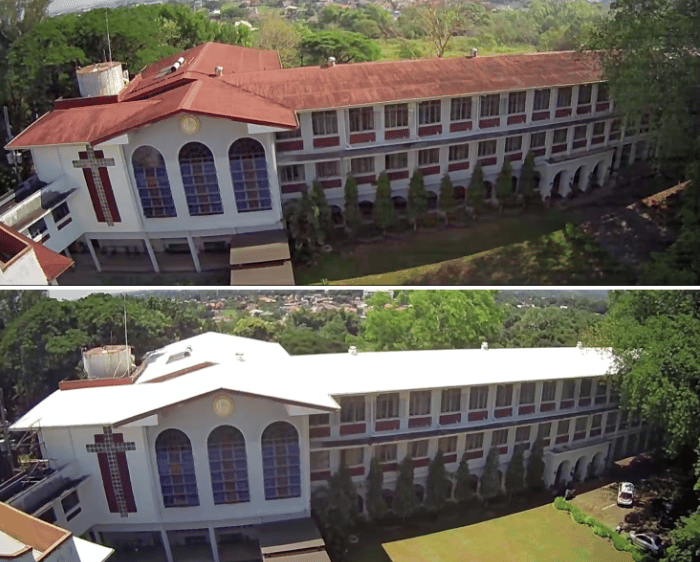
As weather becomes extremely unpredictable around the world, there is an urgent need to strengthen those places that protect us and our contents from harsh, rapidly changing climates.
Thursday, July 30, 2020
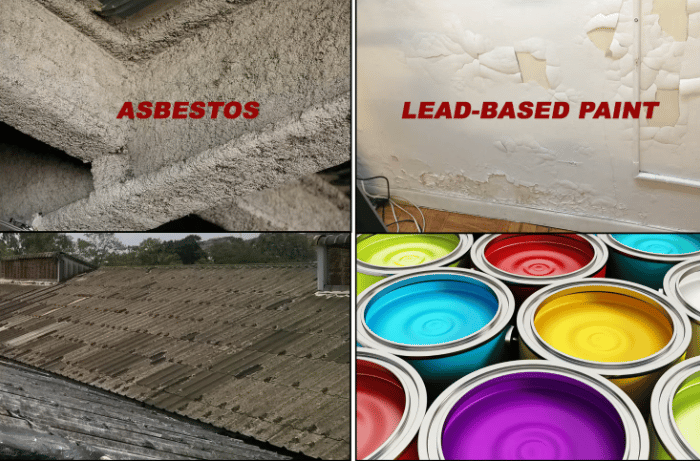
Asbestos and lead-based paint – you know them well. They lurk in older schools, housing complexes, military installations and other buildings, waiting silently to inflict disease and sometimes death on their occupants. Today, asbestos-containing materials (ACM) are found in over 700,000 buildings in the United States, and loose, flaking, or peeling lead-based paint (LBP) is present in more than 72 million United States homes, schools, and other buildings constructed before 1978.


Tuesday, May 12, 2020
Every year damaging winds accompany hurricanes, typhoons and other strong wind events that leave a trail of destruction. Building and home owners are left with devastating huge building repairs and replacement costs. Some of these buildings can be salvaged and made stronger, defending against the next storm. Others are a complete write-off. It’s not unusual in all the destruction to see a building or house left standing with its roof and walls intact. This is usually a structure that is wind-resistant and better prepared to defend against a strong weather onslaught.

Wednesday, April 22, 2020
The first time I heard about Earth Day was when I was in the eighth grade and my well admired and clever science teacher opened up a discussion on the cons of earth day stating it was some sort of liberal nonsense and a hoax. This agitated most of the class.

Tuesday, April 14, 2020
Sustainable architecture is all about making sure that the buildings we get to live and work in do not have a negative impact on the environment.

Wednesday, March 25, 2020
I think we all agree that it’s so important to minimize the spread of germs. That is one of the most significant and preventative measures we can take.

Thursday, March 19, 2020
Do You Know Why the Right Protective Green Coating Resembles our Largest Organ? The right protective coating can protect all parts of a building just like the skin protects all parts of a body. Both are the first line of defense and without them both our bodies and buildings would be naked eventually causing a complete breakdown. Our largest organ, the skin on the outside of our bodies protects our muscles, organs, bones and brain from infections, sunlight, temperature extremes and other threats. The same is true with the right coating that covers the outside of a building protecting occupants and the structure itself. It prevents the deterioration of interior building components such as heating and cooling apparatus, plumbing, electric and furnishings.

Wednesday, February 19, 2020
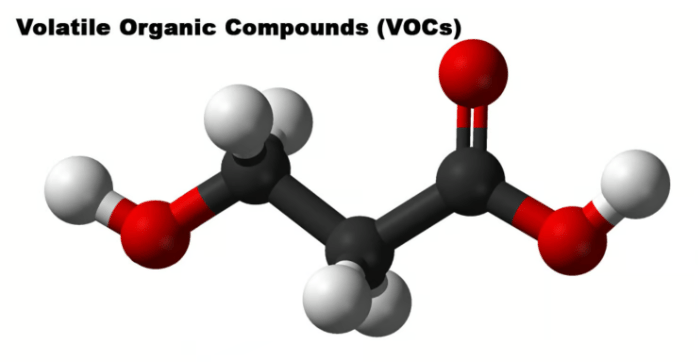
The true cost of a paint or coating is not just the price per gallon/liter. There are direct and indirect costs to consider.
Monday, February 03, 2020
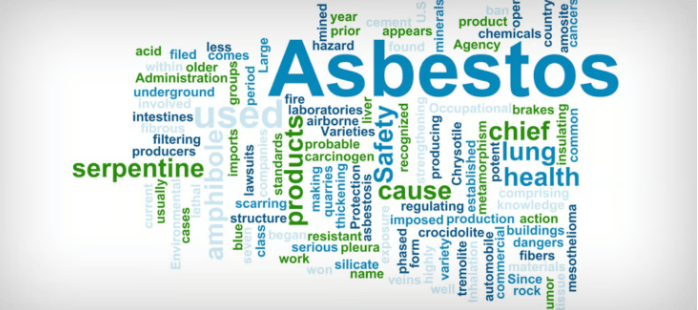
As I travel and work internationally, I encounter different aspects and opinions on asbestos. It has a long background of use in all types of situations and still widely used in building materials. To date, it is still mined and incorporated into many products in several countries. It is controversial at best. My goal is always to try and enlighten and not frighten about some of its uses and misconceptions. The fact is that as much as it is opposed and even outlawed in some parts of the world, it is still mined, exported and used in many others.
Friday, January 03, 2020
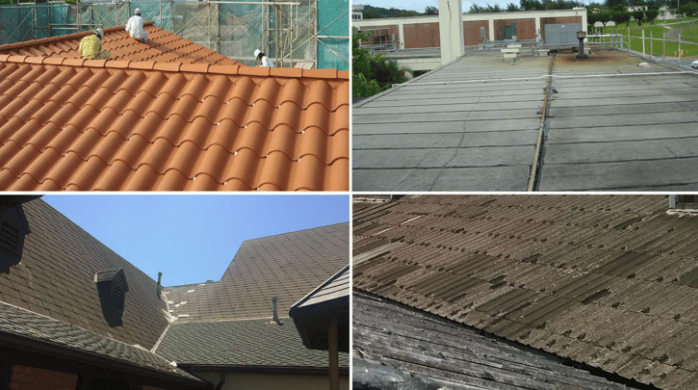
As I’ve studied the issues of what building components are the main culprits of polluting our environment of both soil and water along with generating the most waste, I’ve found that roofing can be a leading offender. This also includes air pollution if the roofing contains asbestos. Asbestos is a large content of many roofs and wall surfaces worldwide and its microscopic fibers are continually released into the environment as it breaks down.

Thursday, December 12, 2019
As I travel internationally and educate many on how to simply deal with solid hazardous materials and safely contain them with green coatings I’m always amazed how differently countries look at situations with building products and how to handle them.
Friday, November 29, 2019
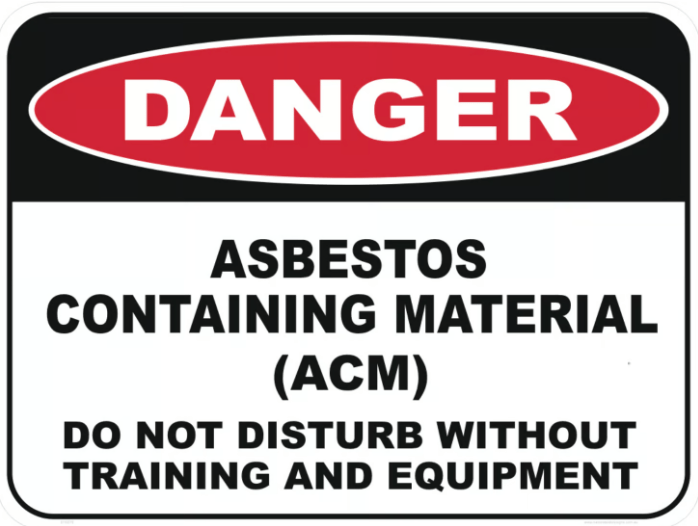
Asbestos – The three options when addressing asbestos in building materials are: first, full blown removal; second, do nothing and leave it alone; and the third, in-place management.