Blogs Where Nature Meets Science & Coatings

"If All the Greedy People that Pollute can get Together & Show Strength in Unity – then Honest, Environmentalists Must Do the Same. You See – It’s as Simple As That.” George C. Keefe - ENCASEMENT Guy
Blogs Where Nature Meets Science & Coatings

"If All the Greedy People that Pollute can get Together & Show Strength in Unity – then Honest, Environmentalists Must Do the Same. You See – It’s as Simple As That.” George C. Keefe - ENCASEMENT Guy

Friday, June 21, 2024

Listen and Learn: Dive into the Audio Version of Our Blog

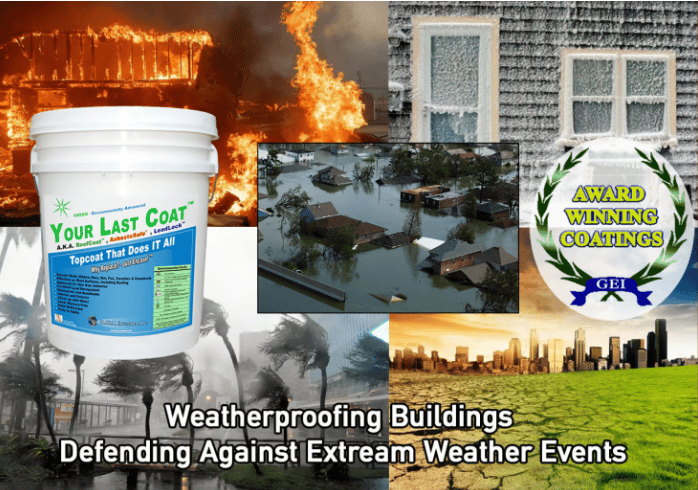
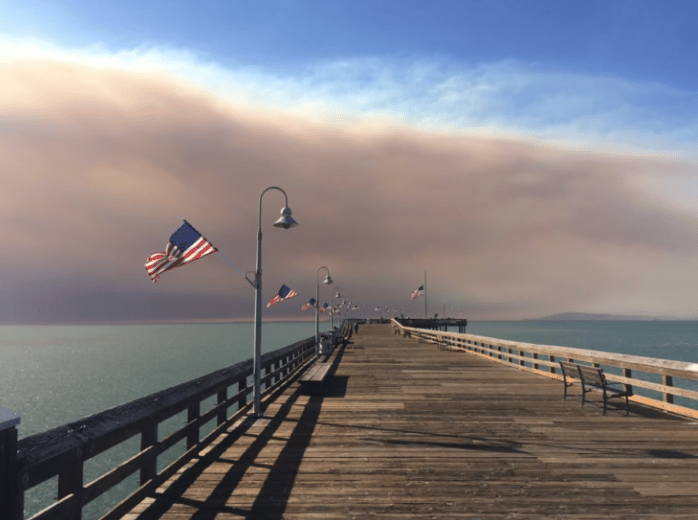
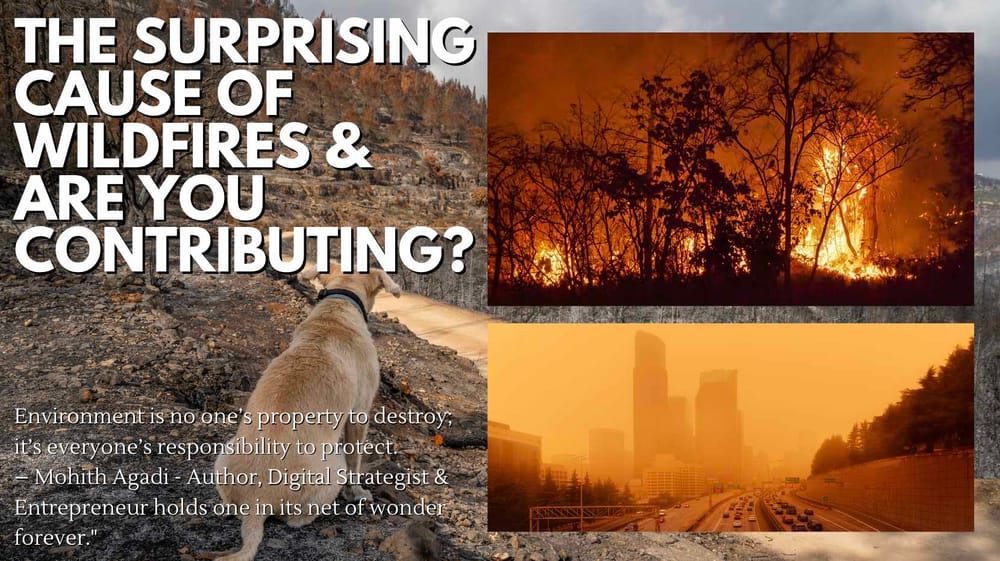
Wildfires are devastating events that ravage forests, destroy buildings, and endanger lives.

They are becoming more frequent and severe, and the reasons behind this alarming trend are multifaceted.

In this episode I draw attention to even though it’s widely recognized that climate change plays a significant role in exacerbating wildfires, the startling truth is that over 90% of forest fires in the United States are triggered by human activities.

This means that a substantial number of these fires could be prevented through more responsible behavior and stringent safety practices.

The Human Element in Wildfire Ignition

Human activities such as unattended campfires, discarded cigarette butts, and malfunctioning power lines are leading causes of forest fires.

According to the National Interagency Fire Center, approximately 87% of wildfires over a ten-year period were ignited by human actions.

This staggering statistic underscores the need for greater public awareness and responsibility.

For residents in fire-prone areas, adhering to fire safety guidelines is crucial.

Simple actions like clearing dry vegetation around properties, maintaining a safe distance for campfires, and ensuring that vehicles are not parked on dry grass can significantly reduce the risk of fire outbreaks.

Public education campaigns and stricter enforcement of fire safety regulations are essential in mitigating these risks.

The Role of Climate Change

While human negligence is a major factor, the role of climate change in intensifying wildfires cannot be overlooked.

Rising global temperatures have led to prolonged droughts, making forests drier and more susceptible to fires.

Additionally, climate change has altered precipitation patterns, resulting in an increase in the frequency and intensity of extreme weather events, such as heatwaves and strong winds, which further worsen wildfire conditions.

Scientists have found that the fire season is now longer than it used to be, with some regions experiencing fires almost year-round.

This shift is linked to the changing climate, which not only affects the natural landscape but also poses severe challenges to fire management and control efforts.

Prevention and Protection Strategies

Preventing wildfires requires a multi-faceted approach.

In addition to individual actions, community-level strategies such as controlled burns, which reduce excess vegetation, and the creation of firebreaks, which stop the spread of flames, are vital.

Advanced technologies, including satellite monitoring and AI-driven fire detection systems, also play a critical role in early detection and rapid response.

Another essential aspect of wildfire prevention and control is the use of eco-friendly products and the right green coatings.

These products are designed to be less flammable and more resistant to heat, thus helping to protect buildings and other structures from catching fire.

The right green coatings, in particular, are gaining popularity for their environmental benefits and their role in fire prevention.

Eco-Friendly Products and The Right Green Coatings

Eco-friendly products, such as non-toxic fire retardants, offer a sustainable way to protect buildings, structures, homes and businesses.

These products minimize environmental impact while providing effective fire resistance.

The right green coatings, made from sustainable, fire resistant materials, can be applied to buildings to help create a barrier against fire.

These coatings can not only help protect the structures but also contribute to overall environmental sustainability by reducing the emission of harmful chemicals during a fire.

Most oil-based coatings can be highly flammable and give off noxious, toxic fumes when they are burned, which leads to hazardous material exposure negatively affecting residents and surrounding areas.

On the other hand, the right water-based, green coatings that are Class A Fire-Rated, not only help resist fires but also don't release anything toxic if they do burn.

The right green coatings and eco-friendly products tie into broader environmental and climate change efforts.

By using materials that are less harmful to the environment, we can reduce our carbon footprint and help mitigate the effects of climate change.

These products also promote healthier living environments and contribute to the overall well-being of communities.

To Sum IT Up:

While the increasing severity of wildfires is a complex issue driven by both human activities and climate change, there are actionable steps we can take to reduce their occurrence and impact.

By adhering to fire safety guidelines, promoting public awareness, and utilizing eco-friendly products and the right green coatings, we can protect our communities and the planet.

Embracing these sustainable practices is not only crucial for preventing wildfires but also for ensuring a healthier, more resilient environment for future generations.

​Environment is no one’s property to destroy; it’s everyone’s responsibility to protect. – Mohith Agadi - Author, Digital Strategist & Entrepreneur

What are your questions?

We are always here to help and excited to answer them.

​​​​​​​​​​​​​​Contact us at +1 (800) 266-3982 , or send us an email at service@encasement.com and leave a comment below.​

See other posts like this one:

Friday, November 16, 2018

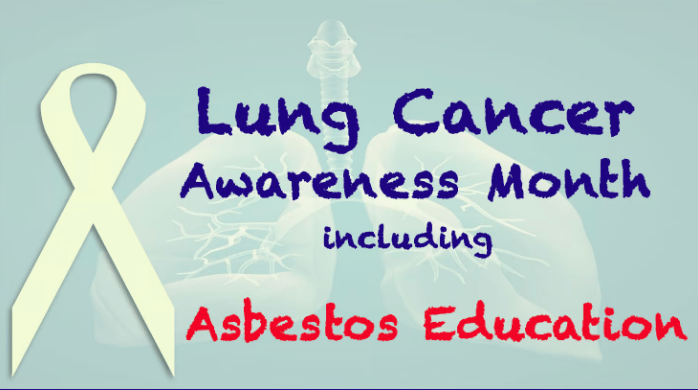
November is Lung Cancer Awareness Month including asbestos education, so this is a good time to raise awareness about preventing unnecessary exposure to asbestos that can cause lung cancer as well as contribute to other possible health concerns.
Wednesday, October 10, 2018

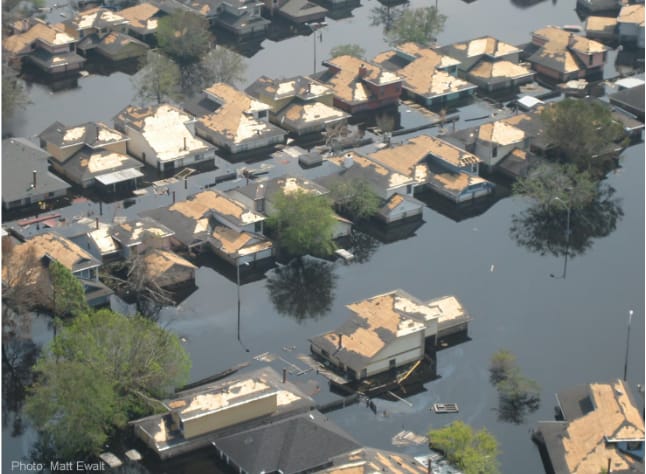
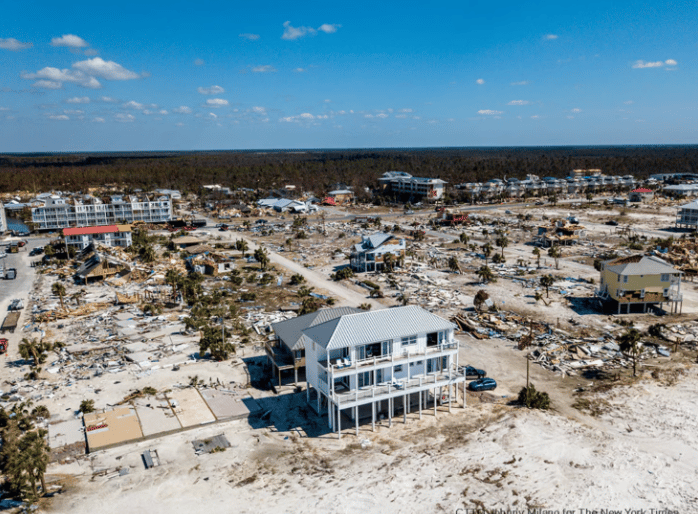
Short of moving your building or raising it up above flooding, the best approach to take to reduce storm, flooding and natural disaster losses is to simply use a proven coating to wind and waterproofthe surfaces in the path of destruction.
Tuesday, September 18, 2018

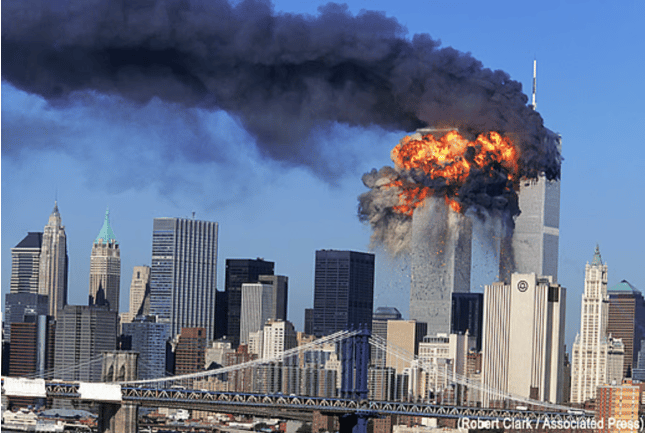
We recently passed the anniversary of 9-11-2001 tragedy of the attack on the Twin Towers in New York. I wanted to remind everyone that the effects of that fateful day are still being felt and especially by some of the heroes that were affected by the initial exposure and then the secondary exposure that took place during the cleanup. Some of those exposed were firefighters, police officers, EMTs (Emergency Medical Technician), construction workers, transit workers, cleanup workers, debris removal crews, truck drivers, nearby office workers, and Lower Manhattan residents.
Tuesday, August 21, 2018

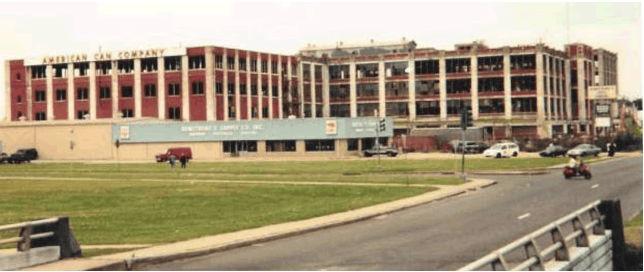
I discussed in a recent blog the importance of keeping the aesthetics of a historic building intact. Making sure that the look and overall presentation on a structure is preserved is very significant. This is especially true with landmark properties that have prominent and distinct features. Preservation can become very difficult when it entails obsolete building materials that contain hazardous materials that are typically removed and replaced. Three of the most common of hazardous materials is lead-based paint, asbestos and PCBs. In the USA, lead was used in paints up until 1978. It then was banned for its negative health effects, especially with children in their developing stages. PCBs, or polychlorinated biphenyls, were banned from paints, caulking and surface coatings in 1979 and asbestos was banned in 1974. All these bans were due to the negative health and environmental effects of these products.

Tuesday, August 07, 2018

Tuesday, July 17, 2018

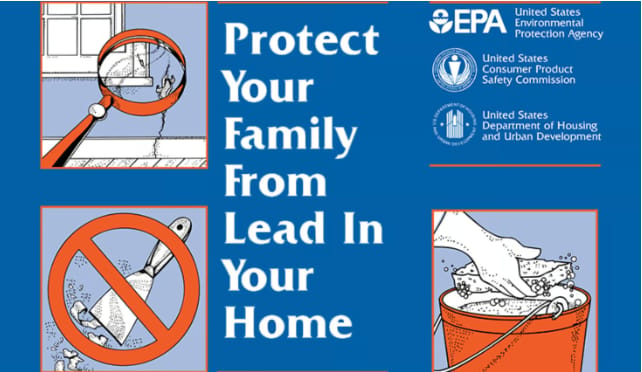
Lead Paint Poisoning is Preventable Through Education and Action