Blogs Where Nature Meets Science & Coatings

"If All the Greedy People that Pollute can get Together & Show Strength in Unity – then Honest, Environmentalists Must Do the Same. You See – It’s as Simple As That.” George C. Keefe - ENCASEMENT Guy
Blogs Where Nature Meets Science & Coatings

"If All the Greedy People that Pollute can get Together & Show Strength in Unity – then Honest, Environmentalists Must Do the Same. You See – It’s as Simple As That.” George C. Keefe - ENCASEMENT Guy

Friday, June 21, 2024

Listen and Learn: Dive into the Audio Version of Our Blog

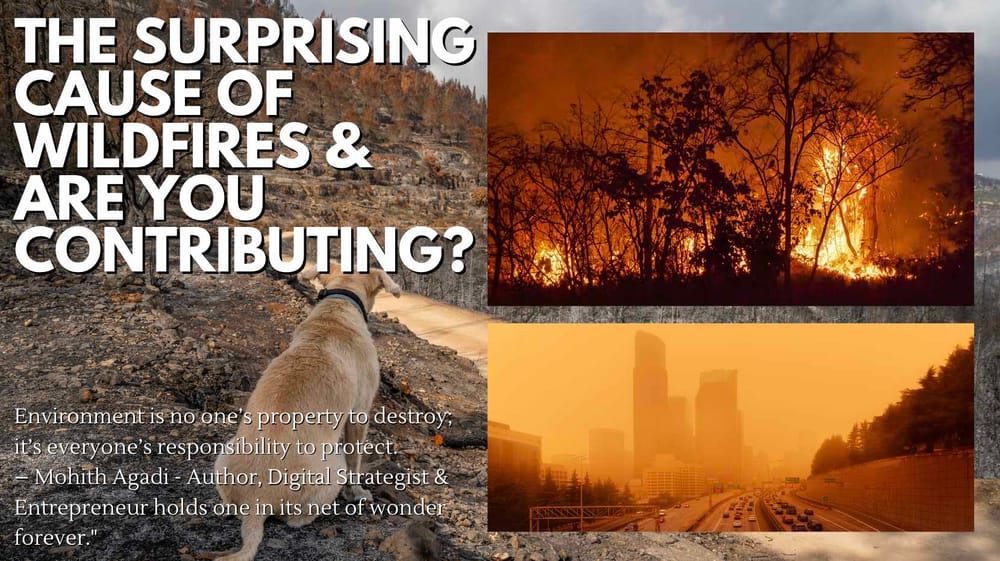
Wildfires are devastating events that ravage forests, destroy buildings, and endanger lives.

They are becoming more frequent and severe, and the reasons behind this alarming trend are multifaceted.

In this episode I draw attention to even though it’s widely recognized that climate change plays a significant role in exacerbating wildfires, the startling truth is that over 90% of forest fires in the United States are triggered by human activities.

This means that a substantial number of these fires could be prevented through more responsible behavior and stringent safety practices.

The Human Element in Wildfire Ignition

Human activities such as unattended campfires, discarded cigarette butts, and malfunctioning power lines are leading causes of forest fires.

According to the National Interagency Fire Center, approximately 87% of wildfires over a ten-year period were ignited by human actions.

This staggering statistic underscores the need for greater public awareness and responsibility.

For residents in fire-prone areas, adhering to fire safety guidelines is crucial.

Simple actions like clearing dry vegetation around properties, maintaining a safe distance for campfires, and ensuring that vehicles are not parked on dry grass can significantly reduce the risk of fire outbreaks.

Public education campaigns and stricter enforcement of fire safety regulations are essential in mitigating these risks.

The Role of Climate Change

While human negligence is a major factor, the role of climate change in intensifying wildfires cannot be overlooked.

Rising global temperatures have led to prolonged droughts, making forests drier and more susceptible to fires.

Additionally, climate change has altered precipitation patterns, resulting in an increase in the frequency and intensity of extreme weather events, such as heatwaves and strong winds, which further worsen wildfire conditions.

Scientists have found that the fire season is now longer than it used to be, with some regions experiencing fires almost year-round.

This shift is linked to the changing climate, which not only affects the natural landscape but also poses severe challenges to fire management and control efforts.

Prevention and Protection Strategies

Preventing wildfires requires a multi-faceted approach.

In addition to individual actions, community-level strategies such as controlled burns, which reduce excess vegetation, and the creation of firebreaks, which stop the spread of flames, are vital.

Advanced technologies, including satellite monitoring and AI-driven fire detection systems, also play a critical role in early detection and rapid response.

Another essential aspect of wildfire prevention and control is the use of eco-friendly products and the right green coatings.

These products are designed to be less flammable and more resistant to heat, thus helping to protect buildings and other structures from catching fire.

The right green coatings, in particular, are gaining popularity for their environmental benefits and their role in fire prevention.

Eco-Friendly Products and The Right Green Coatings

Eco-friendly products, such as non-toxic fire retardants, offer a sustainable way to protect buildings, structures, homes and businesses.

These products minimize environmental impact while providing effective fire resistance.

The right green coatings, made from sustainable, fire resistant materials, can be applied to buildings to help create a barrier against fire.

These coatings can not only help protect the structures but also contribute to overall environmental sustainability by reducing the emission of harmful chemicals during a fire.

Most oil-based coatings can be highly flammable and give off noxious, toxic fumes when they are burned, which leads to hazardous material exposure negatively affecting residents and surrounding areas.

On the other hand, the right water-based, green coatings that are Class A Fire-Rated, not only help resist fires but also don't release anything toxic if they do burn.

The right green coatings and eco-friendly products tie into broader environmental and climate change efforts.

By using materials that are less harmful to the environment, we can reduce our carbon footprint and help mitigate the effects of climate change.

These products also promote healthier living environments and contribute to the overall well-being of communities.

To Sum IT Up:

While the increasing severity of wildfires is a complex issue driven by both human activities and climate change, there are actionable steps we can take to reduce their occurrence and impact.

By adhering to fire safety guidelines, promoting public awareness, and utilizing eco-friendly products and the right green coatings, we can protect our communities and the planet.

Embracing these sustainable practices is not only crucial for preventing wildfires but also for ensuring a healthier, more resilient environment for future generations.

​Environment is no one’s property to destroy; it’s everyone’s responsibility to protect. – Mohith Agadi - Author, Digital Strategist & Entrepreneur

What are your questions?

We are always here to help and excited to answer them.

​​​​​​​​​​​​​​Contact us at +1 (800) 266-3982 , or send us an email at service@encasement.com and leave a comment below.​

See other posts like this one:

Tuesday, September 01, 2020

As weather becomes extremely unpredictable around the world, there is an urgent need to strengthen those places that protect us and our contents from harsh, rapidly changing climates.
Thursday, July 30, 2020

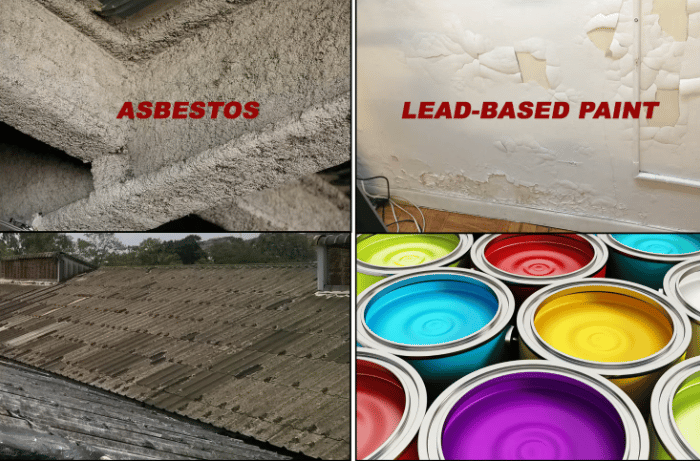
Asbestos and lead-based paint – you know them well. They lurk in older schools, housing complexes, military installations and other buildings, waiting silently to inflict disease and sometimes death on their occupants. Today, asbestos-containing materials (ACM) are found in over 700,000 buildings in the United States, and loose, flaking, or peeling lead-based paint (LBP) is present in more than 72 million United States homes, schools, and other buildings constructed before 1978.
Tuesday, May 12, 2020

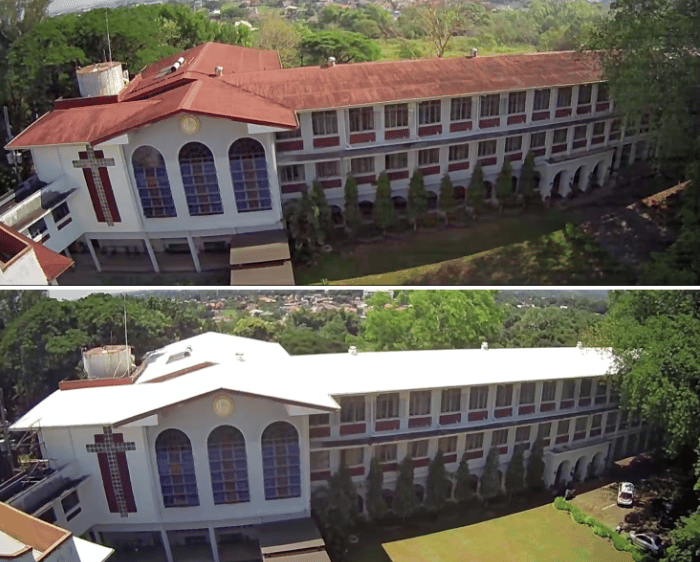
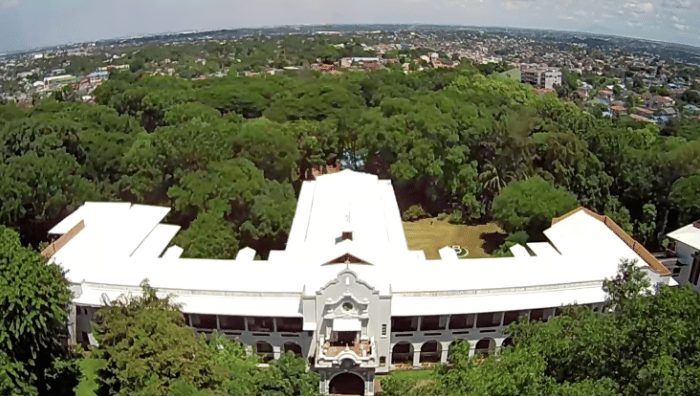
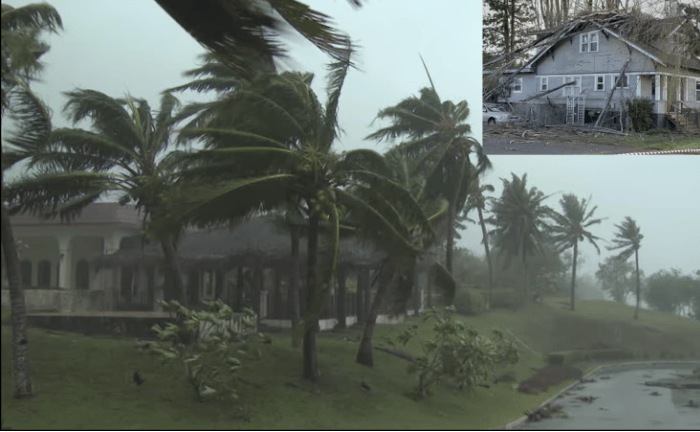
Every year damaging winds accompany hurricanes, typhoons and other strong wind events that leave a trail of destruction. Building and home owners are left with devastating huge building repairs and replacement costs. Some of these buildings can be salvaged and made stronger, defending against the next storm. Others are a complete write-off. It’s not unusual in all the destruction to see a building or house left standing with its roof and walls intact. This is usually a structure that is wind-resistant and better prepared to defend against a strong weather onslaught.

Wednesday, April 22, 2020

The first time I heard about Earth Day was when I was in the eighth grade and my well admired and clever science teacher opened up a discussion on the cons of earth day stating it was some sort of liberal nonsense and a hoax. This agitated most of the class.

Tuesday, April 14, 2020

Sustainable architecture is all about making sure that the buildings we get to live and work in do not have a negative impact on the environment.

Wednesday, March 25, 2020

I think we all agree that it’s so important to minimize the spread of germs. That is one of the most significant and preventative measures we can take.

Thursday, March 19, 2020

Do You Know Why the Right Protective Green Coating Resembles our Largest Organ? The right protective coating can protect all parts of a building just like the skin protects all parts of a body. Both are the first line of defense and without them both our bodies and buildings would be naked eventually causing a complete breakdown. Our largest organ, the skin on the outside of our bodies protects our muscles, organs, bones and brain from infections, sunlight, temperature extremes and other threats. The same is true with the right coating that covers the outside of a building protecting occupants and the structure itself. It prevents the deterioration of interior building components such as heating and cooling apparatus, plumbing, electric and furnishings.

Thursday, March 12, 2020

Wednesday, February 19, 2020

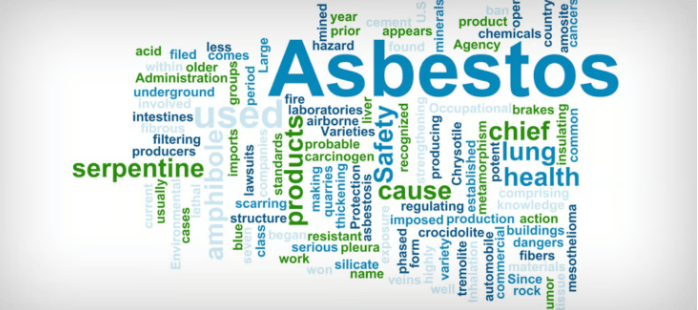
The true cost of a paint or coating is not just the price per gallon/liter. There are direct and indirect costs to consider.
Monday, February 03, 2020

As I travel and work internationally, I encounter different aspects and opinions on asbestos. It has a long background of use in all types of situations and still widely used in building materials. To date, it is still mined and incorporated into many products in several countries. It is controversial at best. My goal is always to try and enlighten and not frighten about some of its uses and misconceptions. The fact is that as much as it is opposed and even outlawed in some parts of the world, it is still mined, exported and used in many others.
Friday, January 03, 2020

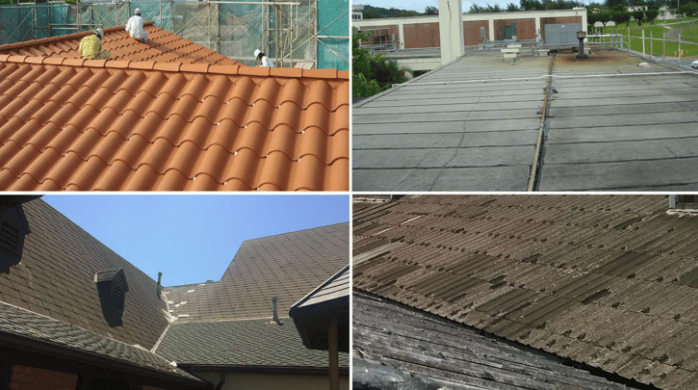
As I’ve studied the issues of what building components are the main culprits of polluting our environment of both soil and water along with generating the most waste, I’ve found that roofing can be a leading offender. This also includes air pollution if the roofing contains asbestos. Asbestos is a large content of many roofs and wall surfaces worldwide and its microscopic fibers are continually released into the environment as it breaks down.
Thursday, December 12, 2019

As I travel internationally and educate many on how to simply deal with solid hazardous materials and safely contain them with green coatings I’m always amazed how differently countries look at situations with building products and how to handle them.
Friday, November 29, 2019

Asbestos – The three options when addressing asbestos in building materials are: first, full blown removal; second, do nothing and leave it alone; and the third, in-place management.
Wednesday, November 06, 2019