Blogs Where Nature Meets Science & Coatings
"If All the Greedy People that Pollute can get Together & Show Strength in Unity – then Honest, Environmentalists Must Do the Same. You See – It’s as Simple As That.” George C. Keefe - ENCASEMENT Guy
Blogs Where Nature Meets Science & Coatings
"If All the Greedy People that Pollute can get Together & Show Strength in Unity – then Honest, Environmentalists Must Do the Same. You See – It’s as Simple As That.” George C. Keefe - ENCASEMENT Guy
Wednesday, July 17, 2024
Listen and Learn: Dive into the Audio Version of Our Blog
In an era where information travels at the speed of light, a sinister force threatens our very existence.
Misinformation, the silent killer of truth, has emerged as the most potent global threat, surpassing even the devastating impacts of extreme weather.
In this episode I reveal how this invisible enemy infiltrates our minds, shapes our beliefs, and influences our actions, often with catastrophic consequences for both human health and the planet we call home.
The spread of false information has reached epidemic proportions, fueled by the interconnectedness of our digital world.
Social media platforms, once hailed as beacons of free speech and global connection, have become breeding grounds for conspiracy theories, pseudoscience, and outright lies.
The Result?
A society increasingly divided, confused, and ill-equipped to face the real challenges that loom on the horizon.
Consider the impact of health-related misinformation.
During the COVID-19 pandemic, we witnessed firsthand how the proliferation of false claims about the virus, its treatments, and vaccines led to unnecessary deaths, prolonged lockdowns, and economic turmoil.
Beyond the pandemic, misinformation continues to undermine public health efforts in areas such as vaccination, nutrition, and disease prevention.
The consequences are dire: increased mortality rates, strained healthcare systems, and a general erosion of trust in scientific institutions.
But the Damage Doesn't Stop at Human Health.
Environmental misinformation poses an equally grave threat to our planet.
Climate change denialism, fueled by well-funded disinformation campaigns, has delayed crucial action to mitigate global warming.
False narratives about renewable energy, recycling, and conservation efforts hinder progress towards a sustainable future.
As a result, we find ourselves racing against time to prevent irreversible damage to ecosystems, biodiversity, and the very stability of our climate.
The insidious nature of misinformation lies in its ability to create a parallel reality, one where facts become shapable and truth is subjective.
This distorted worldview not only affects individual decision-making but also influences policy-making at the highest levels.
When leaders base their decisions on flawed information, the repercussions ripple through society, affecting everything from public health initiatives to environmental regulations.
So, How Do We Combat this Existential Threat?
The answer lies in a multi-faceted approach that combines education, technology, and individual responsibility.
Critical thinking skills must be prioritized in our education systems, equipping future generations with the tools to discern fact from fiction.
Social media platforms must take greater responsibility for the content they host, implementing robust fact-checking mechanisms and promoting credible sources of information.
But perhaps most importantly, we as individuals must become guardians of truth in our own spheres of influence.
This means verifying information before sharing it, supporting quality journalism, and engaging in respectful dialogue with those who hold different views.
It also means making conscious choices in our daily lives that align with scientific consensus and environmental best practices.
One area where we can make a tangible difference is in the products we choose to use and support.
As consumers, we have the power to drive change through our purchasing decisions.
By opting for eco-friendly products, we not only reduce our personal environmental footprint but also send a powerful message to industries about our priorities.
Take, for example, the often-overlooked realm of coatings and paints.
The right green coatings can play a crucial role in protecting people, buildings, and the planet.
These innovative products are formulated to minimize harmful emissions, reduce energy consumption, and even actively purify the air around them.
By choosing such eco-conscious options, we contribute to healthier indoor environments, more sustainable buildings, and a reduced overall impact on climate change.
The connection between green coatings and environmental protection goes beyond their immediate application.
These products are often developed using renewable resources, require less energy to produce, and have a longer lifespan than their traditional counterparts.
This means fewer resources consumed, less waste generated, and a smaller carbon footprint throughout their lifecycle.
Moreover, the adoption of such environmentally friendly solutions helps combat misinformation by demonstrating the viability and effectiveness of sustainable technologies.
As more people experience the benefits of these products firsthand, it becomes harder for skeptics to dismiss the importance of eco-friendly innovations in addressing climate change.
To Sum IT Up:
The battle against misinformation is intrinsically linked to our fight for a healthier planet.
By cultivating a society that values truth, scientific evidence, and environmental responsibility, we can hope to turn the tide against this pervasive threat.
From the information we consume and share to the products we use in our daily lives, every choice matters.
As we strive to separate fact from fiction, let us also embrace solutions that protect our health and our planet.
Only then can we hope to build a future where truth prevails and sustainability thrives.
“Show me the incentive and I will show you the outcome” Charlie Munger - American Businessman, Investor, & Philanthropist
What are your questions?
We are always here to help and excited to answer them.
Contact us at +1 (800) 266-3982 , or send us an email at service@encasement.com and leave a comment below.
See other posts like this one:
Tuesday, September 01, 2020
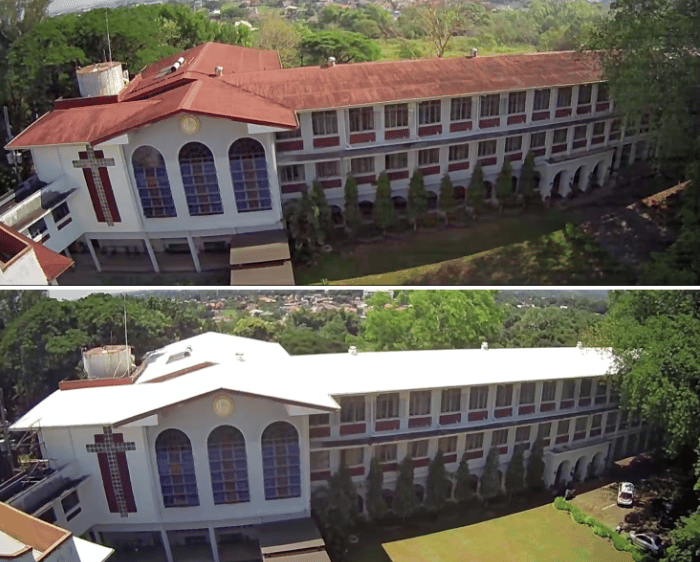
As weather becomes extremely unpredictable around the world, there is an urgent need to strengthen those places that protect us and our contents from harsh, rapidly changing climates.
Thursday, July 30, 2020
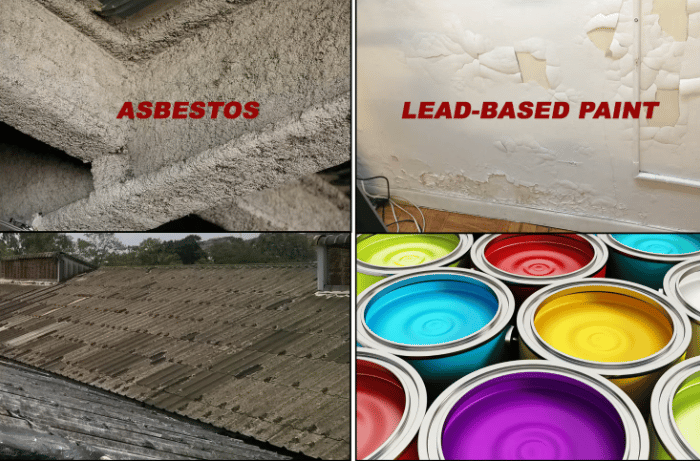
Asbestos and lead-based paint – you know them well. They lurk in older schools, housing complexes, military installations and other buildings, waiting silently to inflict disease and sometimes death on their occupants. Today, asbestos-containing materials (ACM) are found in over 700,000 buildings in the United States, and loose, flaking, or peeling lead-based paint (LBP) is present in more than 72 million United States homes, schools, and other buildings constructed before 1978.
Tuesday, May 12, 2020
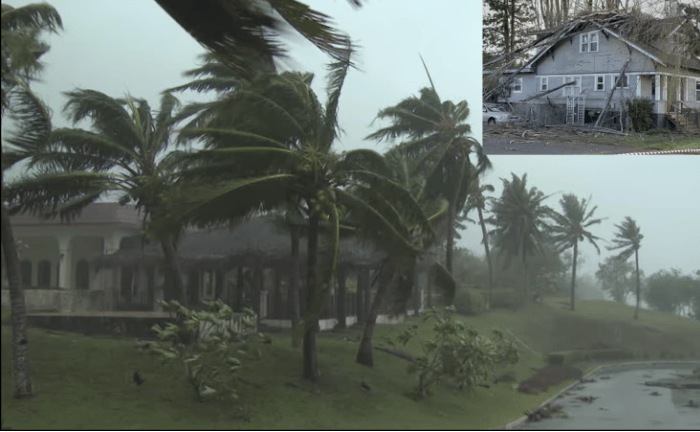
Every year damaging winds accompany hurricanes, typhoons and other strong wind events that leave a trail of destruction. Building and home owners are left with devastating huge building repairs and replacement costs. Some of these buildings can be salvaged and made stronger, defending against the next storm. Others are a complete write-off. It’s not unusual in all the destruction to see a building or house left standing with its roof and walls intact. This is usually a structure that is wind-resistant and better prepared to defend against a strong weather onslaught.

Wednesday, April 22, 2020
The first time I heard about Earth Day was when I was in the eighth grade and my well admired and clever science teacher opened up a discussion on the cons of earth day stating it was some sort of liberal nonsense and a hoax. This agitated most of the class.
Tuesday, April 14, 2020
Sustainable architecture is all about making sure that the buildings we get to live and work in do not have a negative impact on the environment.

Wednesday, March 25, 2020
I think we all agree that it’s so important to minimize the spread of germs. That is one of the most significant and preventative measures we can take.

Thursday, March 19, 2020
Do You Know Why the Right Protective Green Coating Resembles our Largest Organ? The right protective coating can protect all parts of a building just like the skin protects all parts of a body. Both are the first line of defense and without them both our bodies and buildings would be naked eventually causing a complete breakdown. Our largest organ, the skin on the outside of our bodies protects our muscles, organs, bones and brain from infections, sunlight, temperature extremes and other threats. The same is true with the right coating that covers the outside of a building protecting occupants and the structure itself. It prevents the deterioration of interior building components such as heating and cooling apparatus, plumbing, electric and furnishings.

Wednesday, February 19, 2020
The true cost of a paint or coating is not just the price per gallon/liter. There are direct and indirect costs to consider.
Monday, February 03, 2020
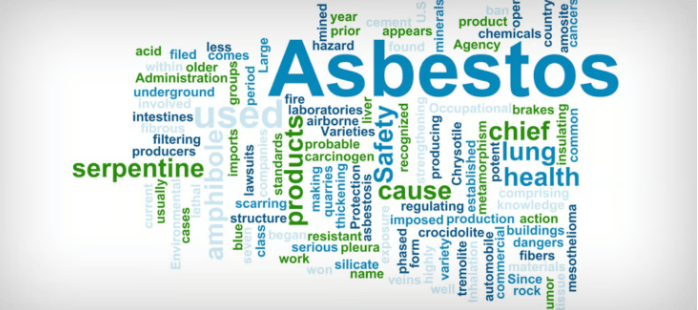
As I travel and work internationally, I encounter different aspects and opinions on asbestos. It has a long background of use in all types of situations and still widely used in building materials. To date, it is still mined and incorporated into many products in several countries. It is controversial at best. My goal is always to try and enlighten and not frighten about some of its uses and misconceptions. The fact is that as much as it is opposed and even outlawed in some parts of the world, it is still mined, exported and used in many others.
Friday, January 03, 2020
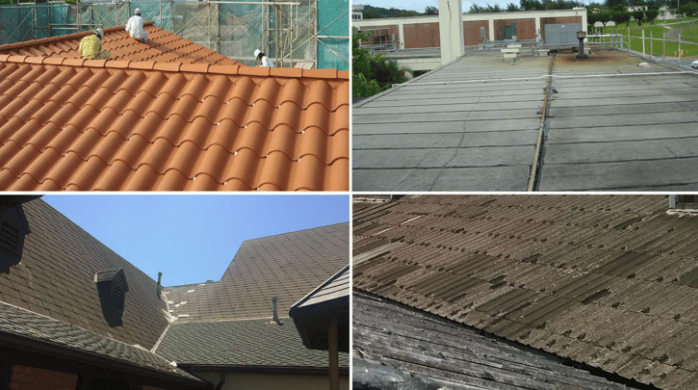
As I’ve studied the issues of what building components are the main culprits of polluting our environment of both soil and water along with generating the most waste, I’ve found that roofing can be a leading offender. This also includes air pollution if the roofing contains asbestos. Asbestos is a large content of many roofs and wall surfaces worldwide and its microscopic fibers are continually released into the environment as it breaks down.

Thursday, December 12, 2019
As I travel internationally and educate many on how to simply deal with solid hazardous materials and safely contain them with green coatings I’m always amazed how differently countries look at situations with building products and how to handle them.
Friday, November 29, 2019
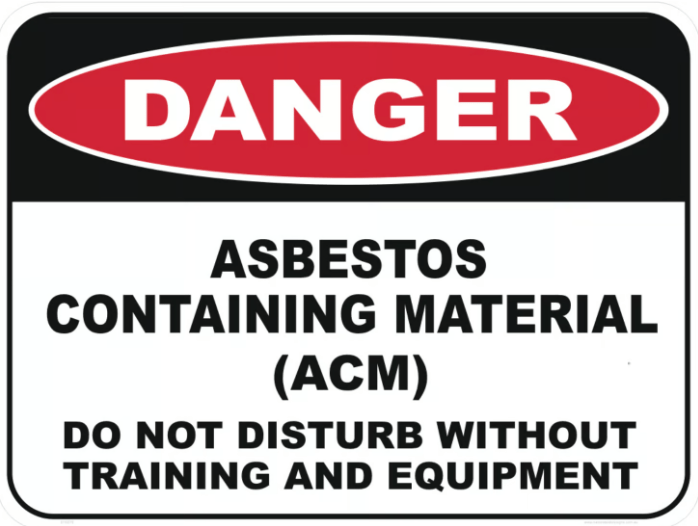
Asbestos – The three options when addressing asbestos in building materials are: first, full blown removal; second, do nothing and leave it alone; and the third, in-place management.