Blogs Where Nature Meets Science & Coatings
"If All the Greedy People that Pollute can get Together & Show Strength in Unity – then Honest, Environmentalists Must Do the Same. You See – It’s as Simple As That.” George C. Keefe - ENCASEMENT Guy
Blogs Where Nature Meets Science & Coatings
"If All the Greedy People that Pollute can get Together & Show Strength in Unity – then Honest, Environmentalists Must Do the Same. You See – It’s as Simple As That.” George C. Keefe - ENCASEMENT Guy
Saturday, April 06, 2019
By: George C. Keefe
Note: The Author is an Environmentalist, Green Coatings Enthusiast, Advisor, Contractor, Consultant, Vegan, Blogger, Podcaster. Protecting the Health of People & Planet. CEO & Founder at Global ENCASEMENT, Inc., Restoration & Management vs Removal & Replacement. Why Replace – Just Encase!
Listen and Learn: Dive into the Audio Version of Our Blog
With consumerism going out of control, minimalism is now on a steady rise as more people have become conscious of how they live.
Minimalism is a growing trend that affects not just our personal lives but also helps protect the planet by preserving nature and our precious natural resources.
For me, minimalism is not just learning to live with less.
It’s about getting more from less.
We come from the old school of “Taking, Making, Using, and Disposing.”
That now has to change.
We need to conserve our natural resources. We need to learn to take only what we need, make efficient and sustainable products, wisely use these products and restore and recycle.
Disposing needs to take the back seat by opting for products that we can use longer and can recycle, instead of disposing in overflowing landfills.
As they say, less is more.
When we aim for less generation of all waste - both typical and hazardous.
It will mean more open land and clean air.
Less use of land for garbage dumps can mean saving more land for productive and enjoyable uses.
When it comes to protecting and restoring buildings and its components, I believe less is more becomes even more essential.
Why should we aim for less?
Protecting the planet and people goes hand in hand with safeguarding the people in those buildings and their contents while defending and preserving those structures.
Using natural resources unnecessarily by replacing building components prematurely instead of restoring them has become a large topic in the green movement to protect the planet and saving raw materials.
Extending the life cycle of buildings and their components prevents the removal at the end of their perceived service life and adverts the unnecessary generation of undesirable waste.
Waste that is unpleasant and proven to cause objectionable CO2 emissions that contribute to greenhouse gases and global warming/climate change.
To achieve this, one needs to find products that have multiple uses and functions as a system or combination of products that work together to form a solution.
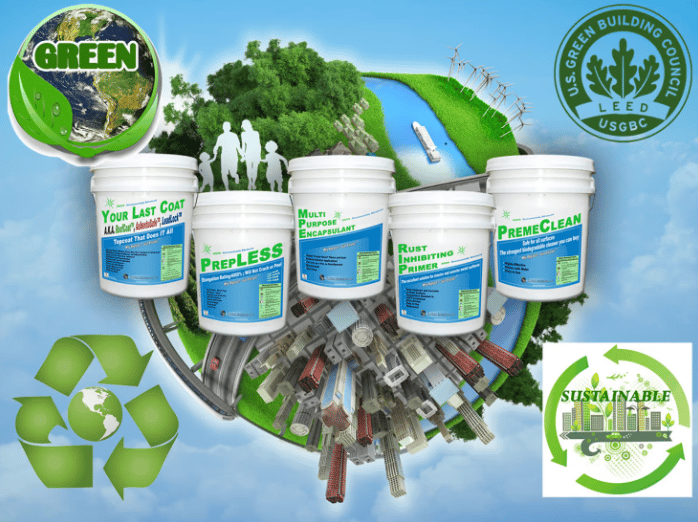
GEI products are exactly that – one product that does it all from waterproofing, to encasement of Asbestos, Lead-Based Paint, PCBs, and most hazardous building materials. A system that one can easily apply.
So on your next project, remember these points:
- Use less raw materials and natural resources.
- Get a tried and tested system that needs less work to give you more free time.
- Apply a system that costs less in the long run so you have more money to work with and spend/invest on other more meaningful endeavors if not just a little more financial freedom, and
- Choose a system that requires less energy to keep the insides of a building comfortable for its occupants so you or your clients can enjoy the cost-saving feature for a long time.
Saving time, energy and money for the things that can really make a difference in protecting the planet and the environment we live in is a timely consideration.
To continue learning the benefits of doing more with less when it comes to your properties, check out www.encasement.com
What are your questions?
We are always here to help and excited to answer them.
Contact us at +1 (800) 266-3982 , or send us an email at service@encasement.com and leave a comment below.
See other posts like this one:
Tuesday, September 01, 2020
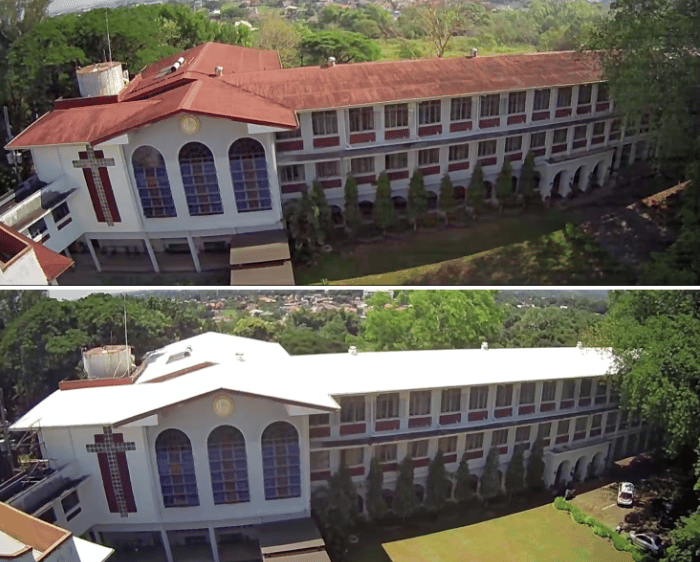
As weather becomes extremely unpredictable around the world, there is an urgent need to strengthen those places that protect us and our contents from harsh, rapidly changing climates.
Thursday, July 30, 2020
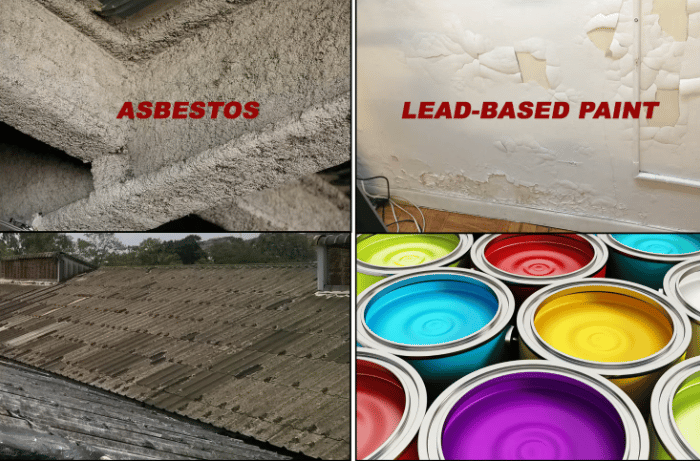
Asbestos and lead-based paint – you know them well. They lurk in older schools, housing complexes, military installations and other buildings, waiting silently to inflict disease and sometimes death on their occupants. Today, asbestos-containing materials (ACM) are found in over 700,000 buildings in the United States, and loose, flaking, or peeling lead-based paint (LBP) is present in more than 72 million United States homes, schools, and other buildings constructed before 1978.

Tuesday, May 12, 2020
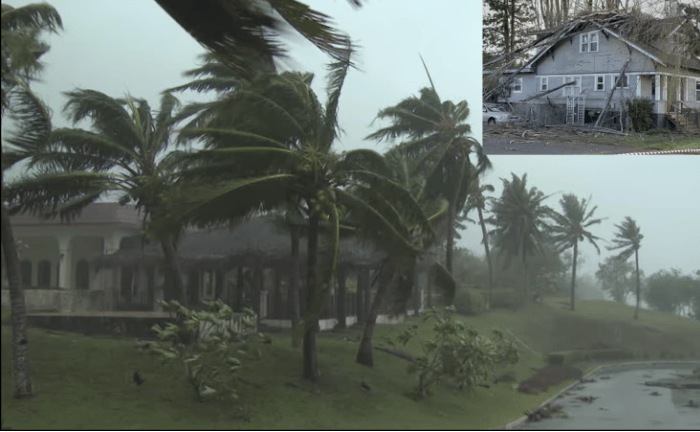
Every year damaging winds accompany hurricanes, typhoons and other strong wind events that leave a trail of destruction. Building and home owners are left with devastating huge building repairs and replacement costs. Some of these buildings can be salvaged and made stronger, defending against the next storm. Others are a complete write-off. It’s not unusual in all the destruction to see a building or house left standing with its roof and walls intact. This is usually a structure that is wind-resistant and better prepared to defend against a strong weather onslaught.

Wednesday, April 22, 2020
The first time I heard about Earth Day was when I was in the eighth grade and my well admired and clever science teacher opened up a discussion on the cons of earth day stating it was some sort of liberal nonsense and a hoax. This agitated most of the class.
Tuesday, April 14, 2020
Sustainable architecture is all about making sure that the buildings we get to live and work in do not have a negative impact on the environment.

Wednesday, March 25, 2020
I think we all agree that it’s so important to minimize the spread of germs. That is one of the most significant and preventative measures we can take.

Thursday, March 19, 2020
Do You Know Why the Right Protective Green Coating Resembles our Largest Organ? The right protective coating can protect all parts of a building just like the skin protects all parts of a body. Both are the first line of defense and without them both our bodies and buildings would be naked eventually causing a complete breakdown. Our largest organ, the skin on the outside of our bodies protects our muscles, organs, bones and brain from infections, sunlight, temperature extremes and other threats. The same is true with the right coating that covers the outside of a building protecting occupants and the structure itself. It prevents the deterioration of interior building components such as heating and cooling apparatus, plumbing, electric and furnishings.

Wednesday, February 19, 2020
The true cost of a paint or coating is not just the price per gallon/liter. There are direct and indirect costs to consider.
Monday, February 03, 2020
As I travel and work internationally, I encounter different aspects and opinions on asbestos. It has a long background of use in all types of situations and still widely used in building materials. To date, it is still mined and incorporated into many products in several countries. It is controversial at best. My goal is always to try and enlighten and not frighten about some of its uses and misconceptions. The fact is that as much as it is opposed and even outlawed in some parts of the world, it is still mined, exported and used in many others.
Friday, January 03, 2020
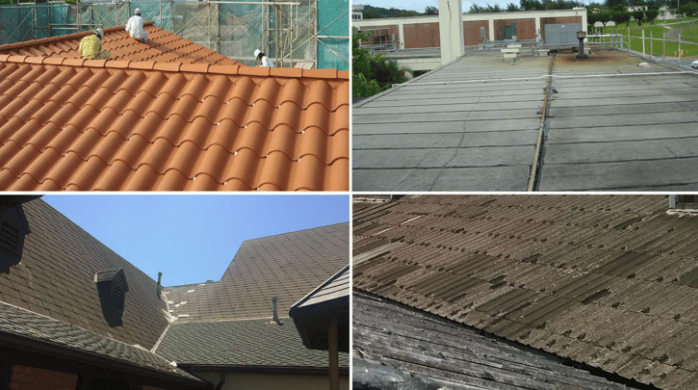
As I’ve studied the issues of what building components are the main culprits of polluting our environment of both soil and water along with generating the most waste, I’ve found that roofing can be a leading offender. This also includes air pollution if the roofing contains asbestos. Asbestos is a large content of many roofs and wall surfaces worldwide and its microscopic fibers are continually released into the environment as it breaks down.
Thursday, December 12, 2019
As I travel internationally and educate many on how to simply deal with solid hazardous materials and safely contain them with green coatings I’m always amazed how differently countries look at situations with building products and how to handle them.
Friday, November 29, 2019
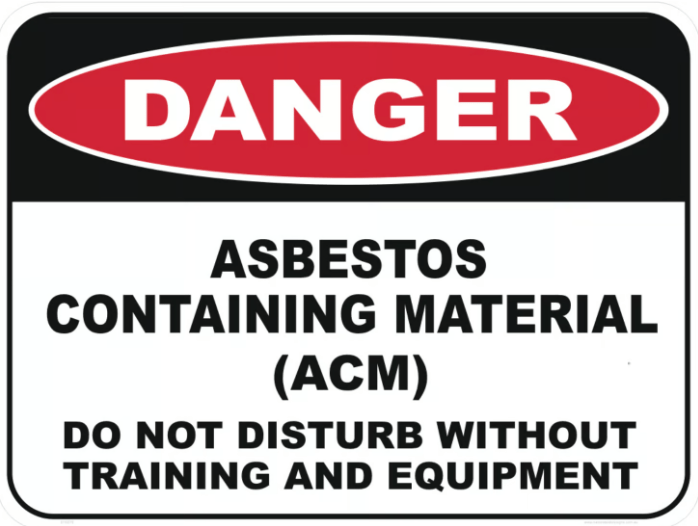
Asbestos – The three options when addressing asbestos in building materials are: first, full blown removal; second, do nothing and leave it alone; and the third, in-place management.