Blogs Where Nature Meets Science & Coatings
"If All the Greedy People that Pollute can get Together & Show Strength in Unity – then Honest, Environmentalists Must Do the Same. You See – It’s as Simple As That.” George C. Keefe - ENCASEMENT Guy
Blogs Where Nature Meets Science & Coatings
"If All the Greedy People that Pollute can get Together & Show Strength in Unity – then Honest, Environmentalists Must Do the Same. You See – It’s as Simple As That.” George C. Keefe - ENCASEMENT Guy
Tuesday, August 21, 2018
I discussed in a recent blog the importance of keeping the aesthetics of a historic building intact. Making sure that the look and overall presentation on a structure is preserved is very significant. This is especially true with landmark properties that have prominent and distinct features. Preservation can become very difficult when it entails obsolete building materials that contain hazardous materials that are typically removed and replaced. Three of the most common of hazardous materials is lead-based paint, asbestos and PCBs. In the USA, lead was used in paints up until 1978. It then was banned for its negative health effects, especially with children in their developing stages. PCBs, or polychlorinated biphenyls, were banned from paints, caulking and surface coatings in 1979 and asbestos was banned in 1974. All these bans were due to the negative health and environmental effects of these products.
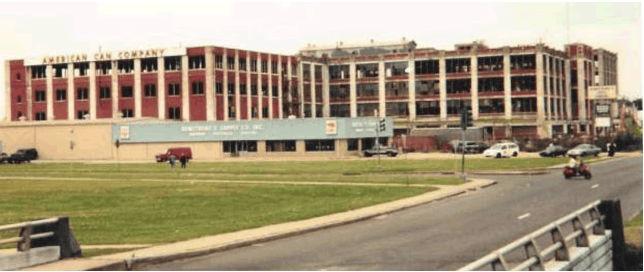
The American Can Company, a 335,000 square foot collection of six warehouses, constructed 1906-1929 in the heart of the historic Mid-City neighborhood of New Orleans.
I've personally been involved with so many of these projects where the surface coating contained one if not all three of these banned hazardous materials. The presence of these materials can complicate and change the direction of the restoration of a building, especially if there is not a clear understanding of what these hazards are and how to best handle them. Most would recommend removing and replacing these materials, which entails the need to transport and store these materials in a hazardous material landfill.
But removing some of these materials can completely change the appearance of a building and sometimes alter its historic significance. This was the case with one of the high profile, historic structures. It had asbestos and PCB-containing roof that was badly leaking and the only remedy proposed was full removal and replacement. The biggest challenge with this option was that the materials that were originally used were no longer manufactured and any replacement product didn’t look the same. Removal and replacement would completely and drastically change the appearance of the building. This was not an option. The only logical path forward was to have an alternative that would meet the challenges of stopping the leaks, sealing in the hazardous asbestos materials and not altering the appearance of the roof.
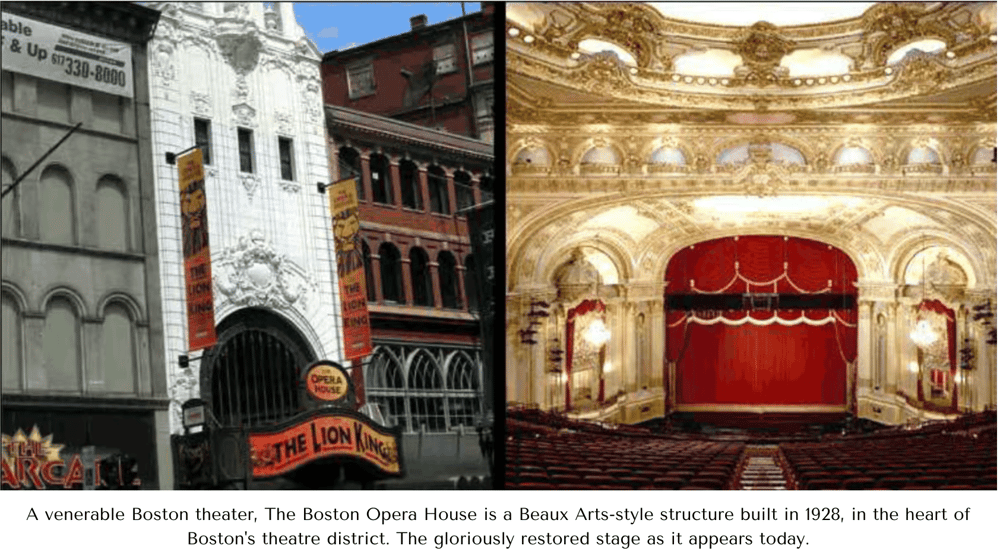
Due to the difficult nature and impact of removing these materials from any historic structures and surfaces and the complication of generating hazardous waste, it is best to simply in-place manage them in for a restoration. All that is needed is a system that not only preserves the overall looks, but also protects them from further and future degradation. Get the right green coatings to seal them in place, protecting and preserving these surfaces, while keeping the integrity along with historic looks, including maintaining significant colors.
To learn more on how to restore and preserve historical structures through in-place management, check www.encasement.com or send us a message at service@encasement.com.
See other posts like this one:
Wednesday, November 29, 2023
In my green coatings encasement blogs people find it helpful when I pass on beneficial information about individuals, companies and subjects dealing with environmental issues and their buildings.
Tuesday, November 28, 2023
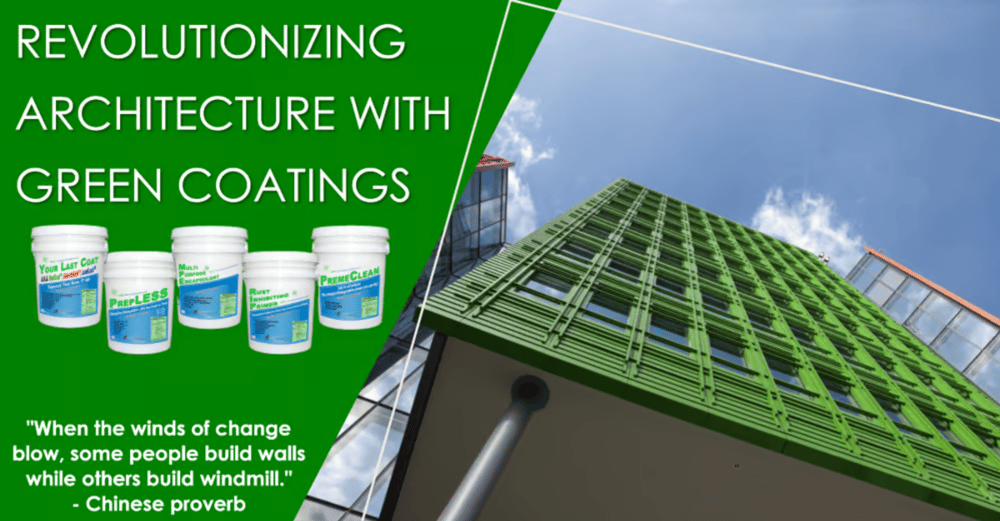
In today blog I shed light on the dynamic realm of sustainable architecture, a silent revolution now underway—one that harnesses the transformative potential of green coatings encasement systems - a far cry from weak paint or cheap encapsulation.
Friday, November 24, 2023
Let's look at the silent threat from above and make known the terrifying impact of ODS (Ozone Depleting Substances) on your health and our planet.
Thursday, November 23, 2023
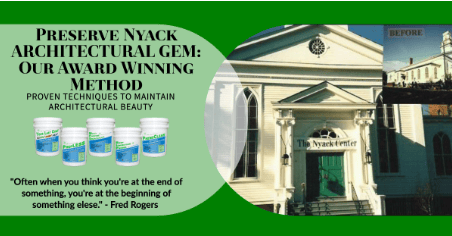
In today’s blog I’m highlighting the benefits to you and community with the use of Global Encasement, Inc’s Award Winning Green Coatings Encasement, especially when it comes to historic properties.
Wednesday, November 22, 2023
Unseen threats can be lurking in your buildings.
Tuesday, November 21, 2023
Today I’m bringing attention to pioneering the future of sustainable construction that includes green coatings encasement.
Monday, November 20, 2023
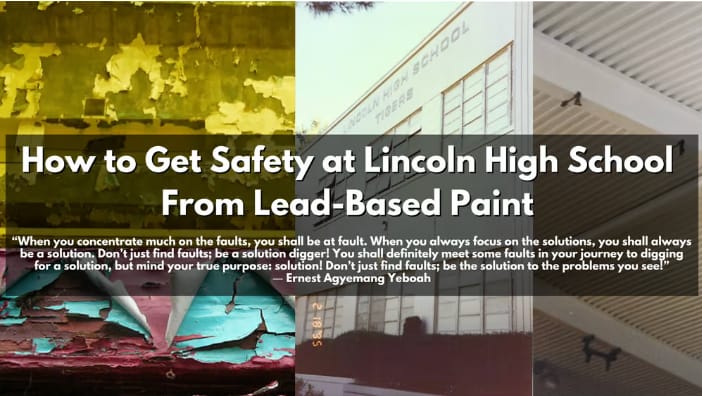
In the heart of Los Angeles, Lincoln High School faced a silent but hazardous challenge – the looming danger of delaminating and flaking lead-based paint over Robertson decking in the boys' and girls' gym.
Friday, November 17, 2023
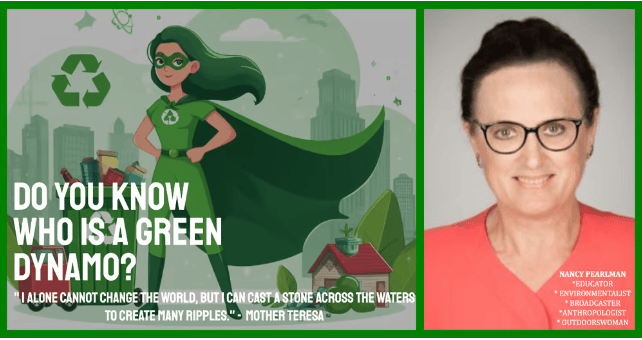
In my blogs I often like to highlight individuals and companies that are positively affecting our environment with their excellent examples.
Thursday, November 16, 2023
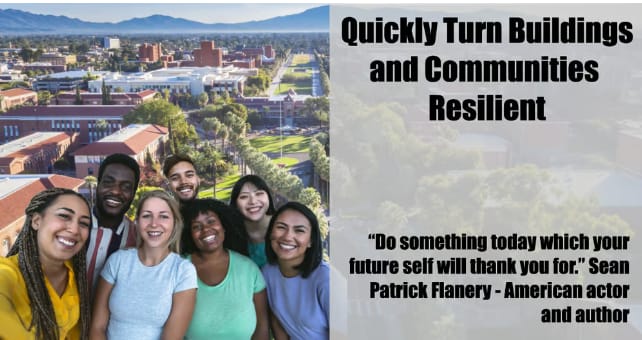
In a world where natural disasters loom around every corner, GEI (Global ENCASEMENT, Inc.) is leading the way in fortifying buildings and communities against the forces of nature with their innovative *Green Coatings ENCASEMENT.
Wednesday, November 15, 2023
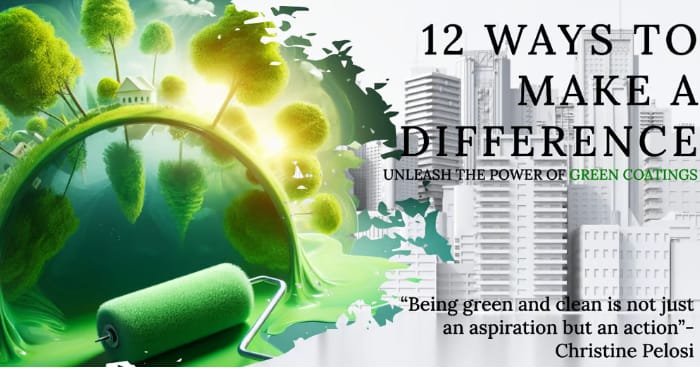
In a world where environmental consciousness is gaining paramount importance, the significance of green coatings cannot be overstated.
Tuesday, November 14, 2023
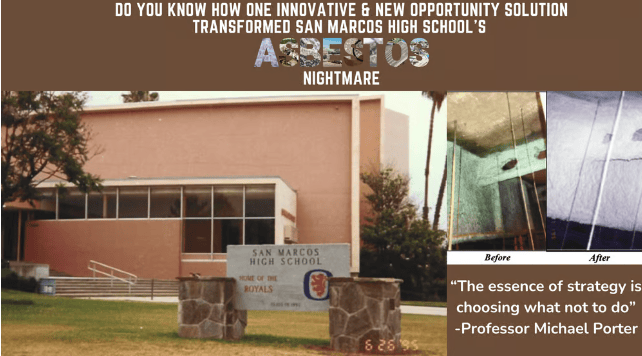
Imagine sending your child to school, thinking they are safe, only to discover a hidden danger lurking within the building's structure.
Monday, November 13, 2023
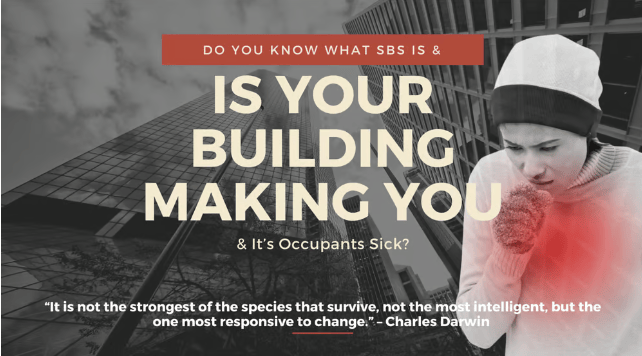
Did you ever imagine that the place where you spend most of your time, be it at home, work, or elsewhere, could be silently wreaking havoc on your health?
Friday, November 10, 2023
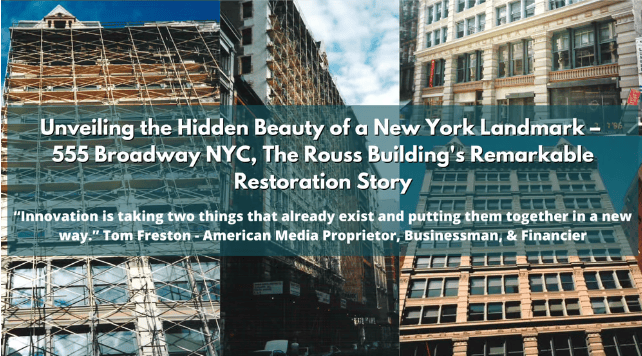
Are you ready to embark on a journey through time and architectural marvels?

Thursday, November 09, 2023
In an era where the world's ecological health is a growing concern, there's a beacon of hope in the form of Global Connective.
Wednesday, November 08, 2023
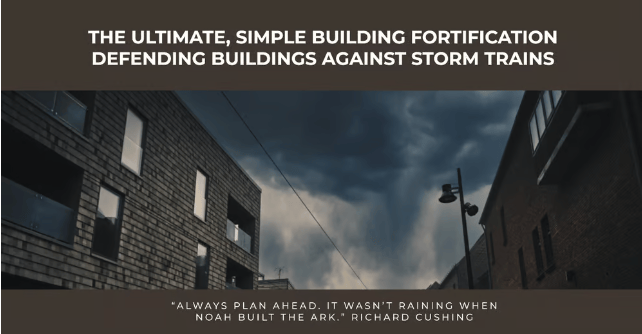
When it comes to safeguarding your buildings and homes from the impending fury of the storm train, one name stands out as a beacon of strength – GEI (Global ENCASEMENT, Inc.)
Tuesday, November 07, 2023
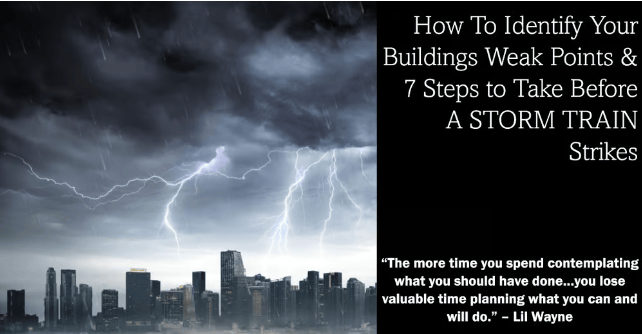
As the ominous rumble of the storm train draws near, the key to protecting your buildings lies in fortification.