Blogs Where Nature Meets Science & Coatings
"If All the Greedy People that Pollute can get Together & Show Strength in Unity – then Honest, Environmentalists Must Do the Same. You See – It’s as Simple As That.” George C. Keefe - ENCASEMENT Guy
Blogs Where Nature Meets Science & Coatings
"If All the Greedy People that Pollute can get Together & Show Strength in Unity – then Honest, Environmentalists Must Do the Same. You See – It’s as Simple As That.” George C. Keefe - ENCASEMENT Guy
Tuesday, August 21, 2018
I discussed in a recent blog the importance of keeping the aesthetics of a historic building intact. Making sure that the look and overall presentation on a structure is preserved is very significant. This is especially true with landmark properties that have prominent and distinct features. Preservation can become very difficult when it entails obsolete building materials that contain hazardous materials that are typically removed and replaced. Three of the most common of hazardous materials is lead-based paint, asbestos and PCBs. In the USA, lead was used in paints up until 1978. It then was banned for its negative health effects, especially with children in their developing stages. PCBs, or polychlorinated biphenyls, were banned from paints, caulking and surface coatings in 1979 and asbestos was banned in 1974. All these bans were due to the negative health and environmental effects of these products.
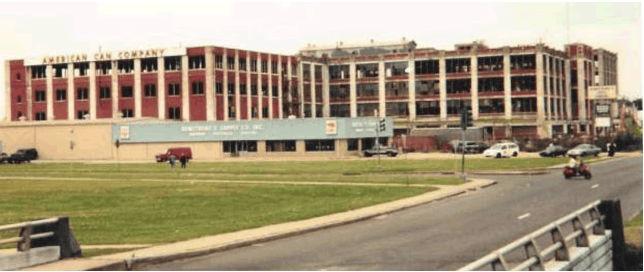
The American Can Company, a 335,000 square foot collection of six warehouses, constructed 1906-1929 in the heart of the historic Mid-City neighborhood of New Orleans.
I've personally been involved with so many of these projects where the surface coating contained one if not all three of these banned hazardous materials. The presence of these materials can complicate and change the direction of the restoration of a building, especially if there is not a clear understanding of what these hazards are and how to best handle them. Most would recommend removing and replacing these materials, which entails the need to transport and store these materials in a hazardous material landfill.
But removing some of these materials can completely change the appearance of a building and sometimes alter its historic significance. This was the case with one of the high profile, historic structures. It had asbestos and PCB-containing roof that was badly leaking and the only remedy proposed was full removal and replacement. The biggest challenge with this option was that the materials that were originally used were no longer manufactured and any replacement product didn’t look the same. Removal and replacement would completely and drastically change the appearance of the building. This was not an option. The only logical path forward was to have an alternative that would meet the challenges of stopping the leaks, sealing in the hazardous asbestos materials and not altering the appearance of the roof.
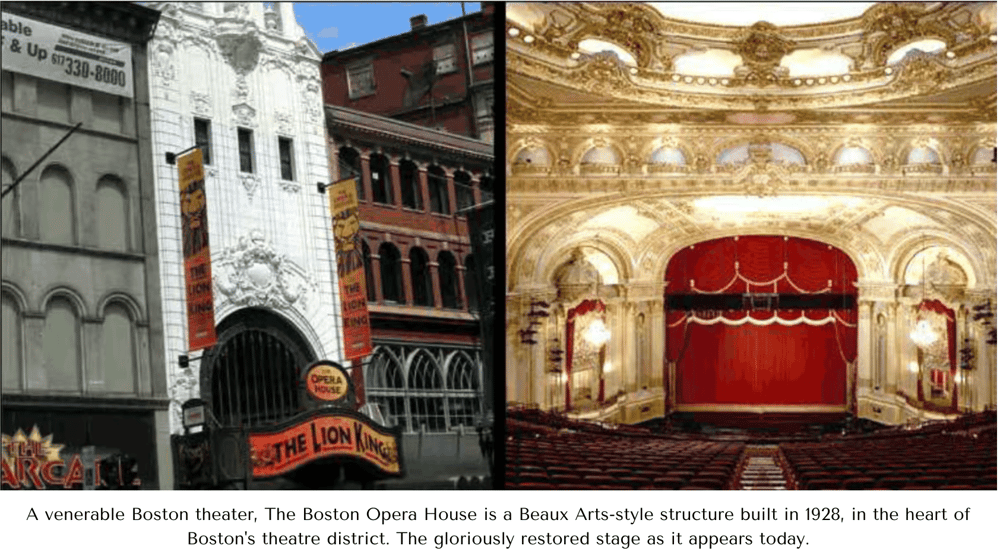
Due to the difficult nature and impact of removing these materials from any historic structures and surfaces and the complication of generating hazardous waste, it is best to simply in-place manage them in for a restoration. All that is needed is a system that not only preserves the overall looks, but also protects them from further and future degradation. Get the right green coatings to seal them in place, protecting and preserving these surfaces, while keeping the integrity along with historic looks, including maintaining significant colors.
To learn more on how to restore and preserve historical structures through in-place management, check www.encasement.com or send us a message at service@encasement.com.
See other posts like this one:

Monday, January 08, 2024
In the quest for sustainable living, every industry is looking for ways to reduce its environmental footprint.

Friday, January 05, 2024
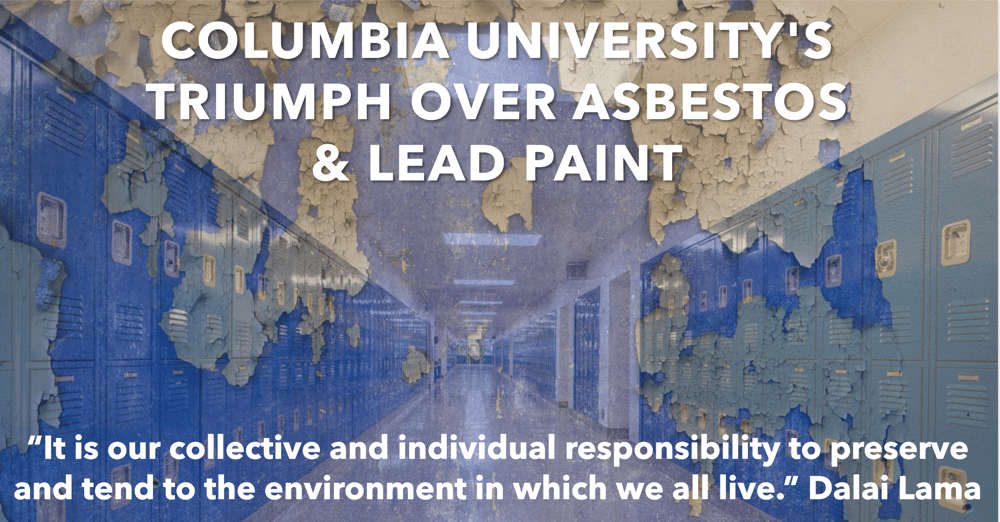
In the heart of New York City, Columbia University faced a daunting challenge - the pervasive presence of both asbestos and lead-based paint in their facilities.

Thursday, January 04, 2024
In the dynamic landscape of architecture, engineering, and consultancy, one company stands out for its commitment to excellence, innovation, and sustainability – Ramboll Denmark.
Wednesday, January 03, 2024
On New Year's Day, sadly central Japan was struck by a powerful 7.5 magnitude earthquake, leaving a trail of destruction, collapsed buildings, fires, and triggering tsunami alerts across the region.

Wednesday, December 20, 2023
Life has a funny way of bouncing back what you throw at it – a boomerang effect that my parents instilled in me early on.

Wednesday, December 13, 2023
In a world increasingly conscious of environmental impact, sustainable, green coatings have emerged as eco-friendly champions.

Tuesday, December 12, 2023
In the urgent realm of climate protection, responsibility is not just a word; it's a commitment that echoes through every industry.
Saturday, December 09, 2023
In the heart of Santa Barbara, La Colina Junior High School faced a daunting challenge lurking within its walls – a decaying asbestos spray-on fireproofing protecting the structural steel.
Friday, December 08, 2023
I've always loved fixing up old buildings with green coatings, especially the more challenging ones with asbestos, lead based paint and water leaks.

Thursday, December 07, 2023
This blog is about the importance of biodegradable products, like green coatings and not just that they breakdown but in what time frame and what is left behind.
Wednesday, December 06, 2023
In this blog I look at the global challenges with deteriorating asbestos sprayed-on fireproofing, benefits desired and simple obtainable results.

Tuesday, December 05, 2023
Are you tired of the toxic fumes and harmful emissions during a project and lingering odors after you have coated a surface?
Tuesday, December 05, 2023
In this blog I bring to light how in a world driven by progress, Hensel Phelps emerges as a pioneer in green sustainability, transforming construction into an eco-friendly powerhouse.

Friday, December 01, 2023
In today’s blog I present Kilroy Realty’s heroic stewardship for people and planet and how they are green pioneers building eco-systems for a sustainable tomorrow

Thursday, November 30, 2023
This is a beginners guide on how Green Coatings play a part in the pursuit of a better, safer world that involves more than just a vision.