Blogs Where Nature Meets Science & Coatings
"If All the Greedy People that Pollute can get Together & Show Strength in Unity – then Honest, Environmentalists Must Do the Same. You See – It’s as Simple As That.” George C. Keefe - ENCASEMENT Guy
Blogs Where Nature Meets Science & Coatings
"If All the Greedy People that Pollute can get Together & Show Strength in Unity – then Honest, Environmentalists Must Do the Same. You See – It’s as Simple As That.” George C. Keefe - ENCASEMENT Guy
Tuesday, August 21, 2018
I discussed in a recent blog the importance of keeping the aesthetics of a historic building intact. Making sure that the look and overall presentation on a structure is preserved is very significant. This is especially true with landmark properties that have prominent and distinct features. Preservation can become very difficult when it entails obsolete building materials that contain hazardous materials that are typically removed and replaced. Three of the most common of hazardous materials is lead-based paint, asbestos and PCBs. In the USA, lead was used in paints up until 1978. It then was banned for its negative health effects, especially with children in their developing stages. PCBs, or polychlorinated biphenyls, were banned from paints, caulking and surface coatings in 1979 and asbestos was banned in 1974. All these bans were due to the negative health and environmental effects of these products.
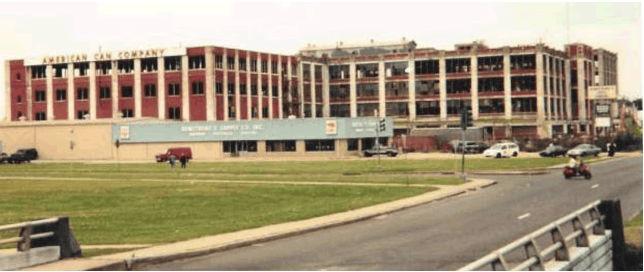
The American Can Company, a 335,000 square foot collection of six warehouses, constructed 1906-1929 in the heart of the historic Mid-City neighborhood of New Orleans.
I've personally been involved with so many of these projects where the surface coating contained one if not all three of these banned hazardous materials. The presence of these materials can complicate and change the direction of the restoration of a building, especially if there is not a clear understanding of what these hazards are and how to best handle them. Most would recommend removing and replacing these materials, which entails the need to transport and store these materials in a hazardous material landfill.
But removing some of these materials can completely change the appearance of a building and sometimes alter its historic significance. This was the case with one of the high profile, historic structures. It had asbestos and PCB-containing roof that was badly leaking and the only remedy proposed was full removal and replacement. The biggest challenge with this option was that the materials that were originally used were no longer manufactured and any replacement product didn’t look the same. Removal and replacement would completely and drastically change the appearance of the building. This was not an option. The only logical path forward was to have an alternative that would meet the challenges of stopping the leaks, sealing in the hazardous asbestos materials and not altering the appearance of the roof.

Due to the difficult nature and impact of removing these materials from any historic structures and surfaces and the complication of generating hazardous waste, it is best to simply in-place manage them in for a restoration. All that is needed is a system that not only preserves the overall looks, but also protects them from further and future degradation. Get the right green coatings to seal them in place, protecting and preserving these surfaces, while keeping the integrity along with historic looks, including maintaining significant colors.
To learn more on how to restore and preserve historical structures through in-place management, check www.encasement.com or send us a message at service@encasement.com.
See other posts like this one:

Thursday, September 28, 2023
Climate change is one of the most pressing challenges of our time, and it requires a multi-faceted approach to mitigate its impacts.
Wednesday, September 27, 2023
Climate change lawsuits have become a powerful tool in the fight against environmental degradation.

Tuesday, September 26, 2023
In an era where the battle against climate change has never been more critical, the Biden administration has stepped up to the plate with an inspiring initiative that promises to not only combat climate change but also empower the next generation of environmental leaders.
Monday, September 25, 2023
Last week I started with writing my daily, workweek blog about California, one of my home states taking the lead and pushing for environmental protection and I’m starting this week out again with California.

Friday, September 22, 2023
Climate Week NYC, scheduled from September 17 to 24, 2023, is a pivotal event on the global climate calendar.
Thursday, September 21, 2023
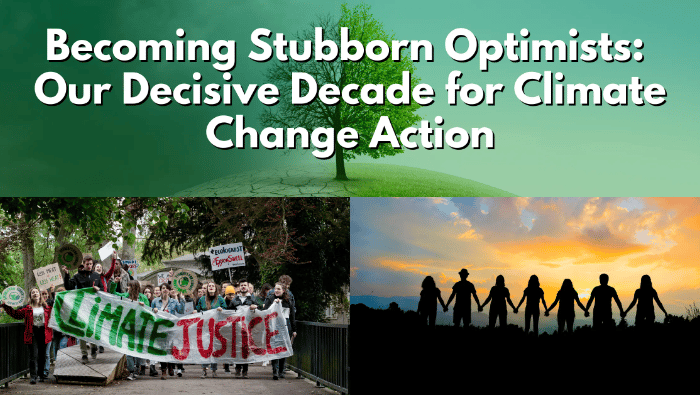
In a world increasingly burdened by climate change and pollution, the lessons we've learned from our parents and older generations are more valuable than ever.

Wednesday, September 20, 2023
The Singapore Green Plan 2030 has set the stage for a sustainable revolution, propelling the nation towards a greener and more environmentally-conscious future.

Tuesday, September 19, 2023
In the vast expanse of the cosmos, our little blue planet has been our home for millennia.

Monday, September 18, 2023
In the ever-evolving landscape of sustainability, California, one of my home states has emerged as a beacon of progress, continuously pushing the boundaries of environmentally conscious practices.

Thursday, September 14, 2023
In our journey towards a more sustainable future, industries across the globe are embracing eco-friendly solutions to reduce their environmental footprint.
Wednesday, September 13, 2023
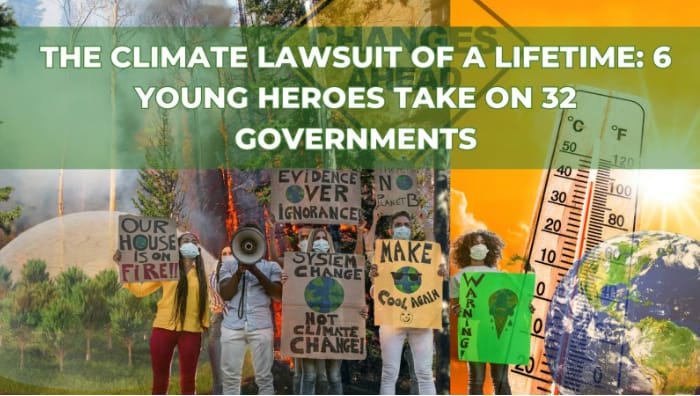
In just days, the world will witness an unprecedented battle in the European Court of Human Rights.
Tuesday, September 12, 2023
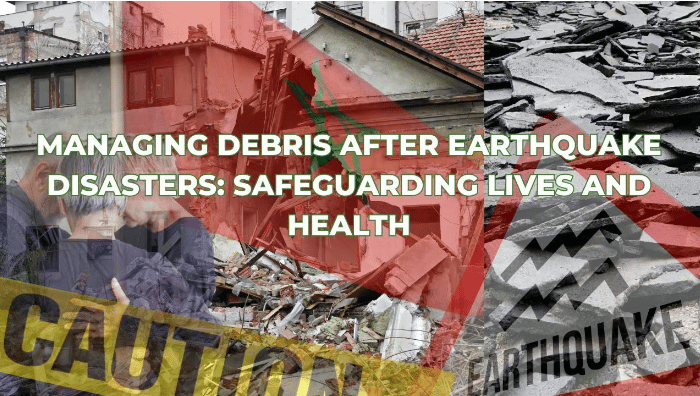
More than 2,100 people sadly lost their lives after a severe earthquake with a magnitude of at least 6.8 hit Morocco Friday night near the city of Marrakesh.

Monday, September 11, 2023
September 11th marks a day etched in the collective memory of the United States—a day of great tragedy and loss.

Friday, September 08, 2023
The year 2023 has brought us face to face with unprecedented climate challenges.

Wednesday, September 06, 2023
In an era marked by unpredictable climate change and insurance companies withdrawing coverage in the face of mounting risks, it's time for homeowners and property owners to take matters into their own hands.
Tuesday, September 05, 2023
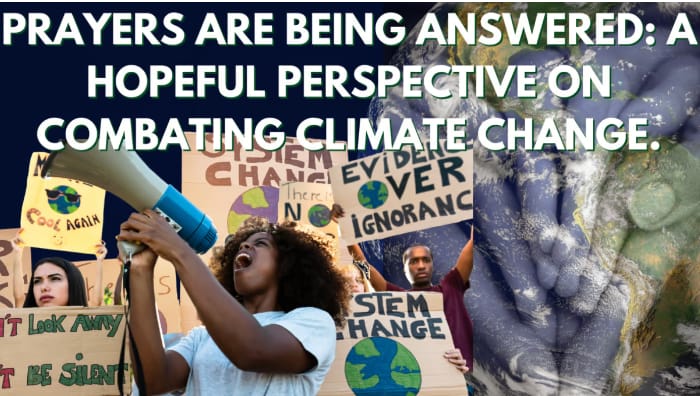
In a world grappling with the urgent realities of global warming and climate change, the renewal of hope lies in the arrival of communities that share the belief that even the smallest actions can yield significant impact.