Blogs Where Nature Meets Science & Coatings
"If All the Greedy People that Pollute can get Together & Show Strength in Unity – then Honest, Environmentalists Must Do the Same. You See – It’s as Simple As That.” George C. Keefe - ENCASEMENT Guy
Blogs Where Nature Meets Science & Coatings
"If All the Greedy People that Pollute can get Together & Show Strength in Unity – then Honest, Environmentalists Must Do the Same. You See – It’s as Simple As That.” George C. Keefe - ENCASEMENT Guy
Friday, September 06, 2024

By: George C. Keefe
Note: The Author is an Environmentalist, Green Coatings Enthusiast, Contractor, Consultant, Vegan, Blogger, Podcaster. Protecting the Health of People & Planet. CEO & Founder at Global ENCASEMENT, Inc., Restoration & Management vs Removal & Replacement. Why Replace – Just Encase!
Listen and Learn: Dive into the Audio Version of Our Blog
The world is changing, and not for the better.
As we go about our daily lives, working, shopping, and relaxing in our homes and offices, we're unknowingly contributing to a silent killer that's slowly but surely destroying our planet.
In this episode I point out that according to the U.N. Environment Program, the buildings and construction sector produces a staggering 37% of the heat-trapping gases in our atmosphere.
This shocking statistic should serve as a wake-up call for all of us.
But what does this mean for our future?
As global temperatures continue to rise due to these emissions and those from other polluting industries, we're witnessing an alarming increase in the intensity and frequency of severe weather events.
Hurricanes, floods, droughts, and wildfires are becoming more common and more destructive, leaving devastation in their wake and upending countless lives.
The buildings we live and work in, which we've always seen as shelters from the storm, are ironically fueling the very disasters we seek protection from.
It's a vicious cycle that threatens not just our immediate safety, but the long-term habitability of our planet.
So, what can we do?
How can we break this cycle and create a more sustainable future?
The answer lies in rethinking how we construct and maintain our buildings.
We need to embrace eco-friendly products and green technologies that can significantly reduce our carbon footprint.
One of the most promising solutions and new opportunity in this fight against climate change is the use of the right green coatings.
These innovative products are designed to give long-term protection to our buildings while simultaneously safeguarding our environment.
But how exactly do they work?
The right green coatings, also known as eco-friendly encasement or long-term sustainable coatings, are water-based, non-toxic, biodegradable, with zero VOC’s (volatile organic content) Class A Fire Rated.
Unlike traditional short term, weak paints and cheap coatings, which often release harmful chemicals into the air and contribute to indoor and outdoor pollution, the right green coatings are safe for both people and the planet.
These coatings do more than just look good – they actively work to reduce a building's environmental impact.
The right green coatings are solar/heat-reflective and can reduce urban heat island effects as well as help keep buildings cool, creating passive cooling, reducing the need for air conditioning and lowering energy consumption.
They can also help insulate your building, sealing leaks that allow energy loss.
But the benefits don't stop there.
The right green coatings can also extend the lifespan of buildings, with guaranteed 20 year, renewable service cycles, providing superior, long-term protection against weathering, corrosion, and other forms of damage.
This means less frequent repairs and replacements, further reducing the construction industry's carbon footprint, especially in the generation, transportation and storage of waste.
By choosing the right green coatings, we're not just protecting our buildings – we're protecting our planet.
We're reducing greenhouse gas emissions, conserving energy, and creating healthier indoor and outdoor environments.
It's a small change that can have a massive impact when adopted on a large scale.
As we face the growing climate crisis, it's crucial to remember that every action counts.
While the statistics about the construction industry's impact on our environment are alarming, they also highlight a new opportunity for significant positive change.
By making conscious choices about the products we use in our buildings, we can play a part in mitigating climate change and creating a more sustainable future.
The use of long-term green coatings is just one step in the right direction, but it's an important one.
It represents a shift in thinking – a recognition that our buildings should work with nature, not against it.
To Sum IT Up:
As we continue to innovate and develop new eco-friendly technologies, we move closer to a world where our buildings, homes and offices are not contributors to climate change, but active participants in its solution.
The climate crisis is real, and it's happening now.
But with solutions like the right, long-lasting, protective green coatings, we have the power to make a difference.
It's time to reimagine our relationship with the built environment and take decisive action to protect our planet.
After all, the buildings we construct today will shape the world we live in tomorrow.
Let's make sure it's a world worth living in.
“Every man is guilty of all the good he did not do”. Voltaire - French Writer & Philosopher
What are your questions?
We are always here to help and excited to answer them.
Contact us at +1 (800) 266-3982 , or send us an email at service@encasement.com and leave a comment below.
See other posts like this one:
Tuesday, September 01, 2020
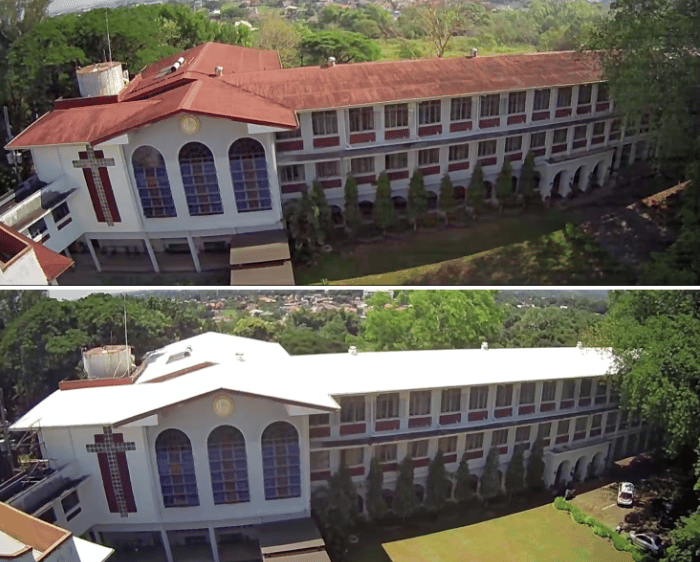
As weather becomes extremely unpredictable around the world, there is an urgent need to strengthen those places that protect us and our contents from harsh, rapidly changing climates.
Thursday, July 30, 2020
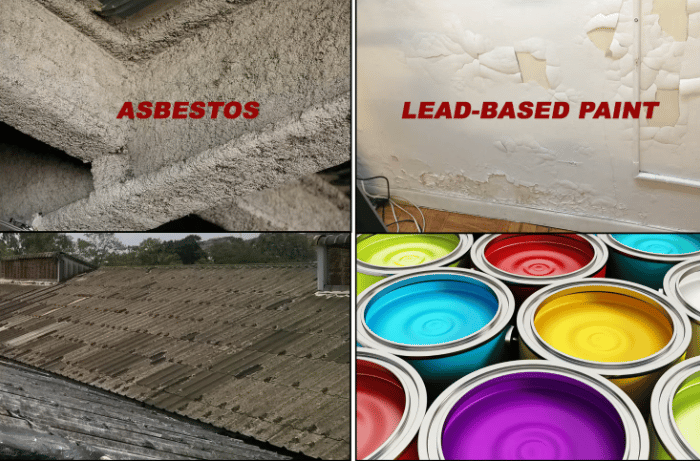
Asbestos and lead-based paint – you know them well. They lurk in older schools, housing complexes, military installations and other buildings, waiting silently to inflict disease and sometimes death on their occupants. Today, asbestos-containing materials (ACM) are found in over 700,000 buildings in the United States, and loose, flaking, or peeling lead-based paint (LBP) is present in more than 72 million United States homes, schools, and other buildings constructed before 1978.
Tuesday, May 12, 2020
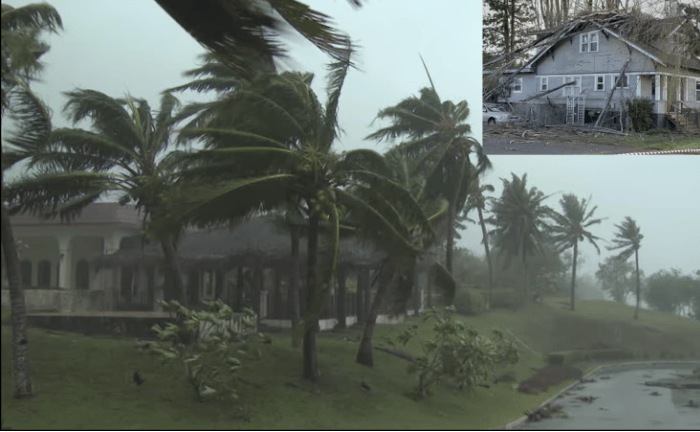
Every year damaging winds accompany hurricanes, typhoons and other strong wind events that leave a trail of destruction. Building and home owners are left with devastating huge building repairs and replacement costs. Some of these buildings can be salvaged and made stronger, defending against the next storm. Others are a complete write-off. It’s not unusual in all the destruction to see a building or house left standing with its roof and walls intact. This is usually a structure that is wind-resistant and better prepared to defend against a strong weather onslaught.

Wednesday, April 22, 2020
The first time I heard about Earth Day was when I was in the eighth grade and my well admired and clever science teacher opened up a discussion on the cons of earth day stating it was some sort of liberal nonsense and a hoax. This agitated most of the class.
Tuesday, April 14, 2020
Sustainable architecture is all about making sure that the buildings we get to live and work in do not have a negative impact on the environment.

Wednesday, March 25, 2020
I think we all agree that it’s so important to minimize the spread of germs. That is one of the most significant and preventative measures we can take.

Thursday, March 19, 2020
Do You Know Why the Right Protective Green Coating Resembles our Largest Organ? The right protective coating can protect all parts of a building just like the skin protects all parts of a body. Both are the first line of defense and without them both our bodies and buildings would be naked eventually causing a complete breakdown. Our largest organ, the skin on the outside of our bodies protects our muscles, organs, bones and brain from infections, sunlight, temperature extremes and other threats. The same is true with the right coating that covers the outside of a building protecting occupants and the structure itself. It prevents the deterioration of interior building components such as heating and cooling apparatus, plumbing, electric and furnishings.

Wednesday, February 19, 2020
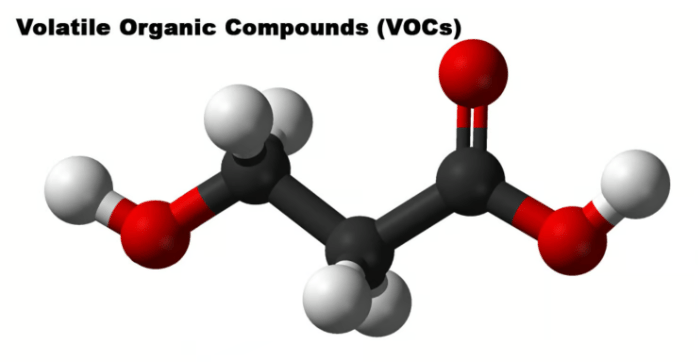
The true cost of a paint or coating is not just the price per gallon/liter. There are direct and indirect costs to consider.
Monday, February 03, 2020
As I travel and work internationally, I encounter different aspects and opinions on asbestos. It has a long background of use in all types of situations and still widely used in building materials. To date, it is still mined and incorporated into many products in several countries. It is controversial at best. My goal is always to try and enlighten and not frighten about some of its uses and misconceptions. The fact is that as much as it is opposed and even outlawed in some parts of the world, it is still mined, exported and used in many others.
Friday, January 03, 2020
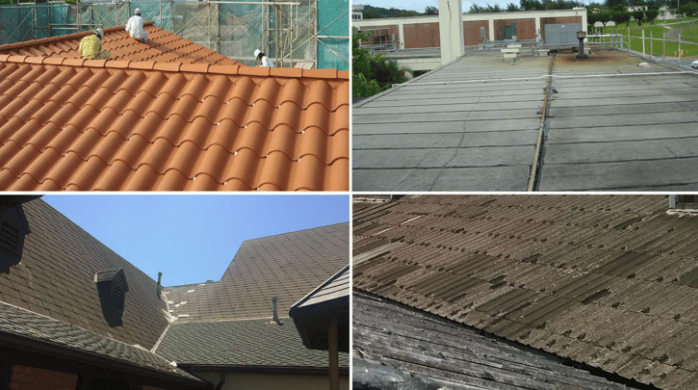
As I’ve studied the issues of what building components are the main culprits of polluting our environment of both soil and water along with generating the most waste, I’ve found that roofing can be a leading offender. This also includes air pollution if the roofing contains asbestos. Asbestos is a large content of many roofs and wall surfaces worldwide and its microscopic fibers are continually released into the environment as it breaks down.
Thursday, December 12, 2019
As I travel internationally and educate many on how to simply deal with solid hazardous materials and safely contain them with green coatings I’m always amazed how differently countries look at situations with building products and how to handle them.
Friday, November 29, 2019
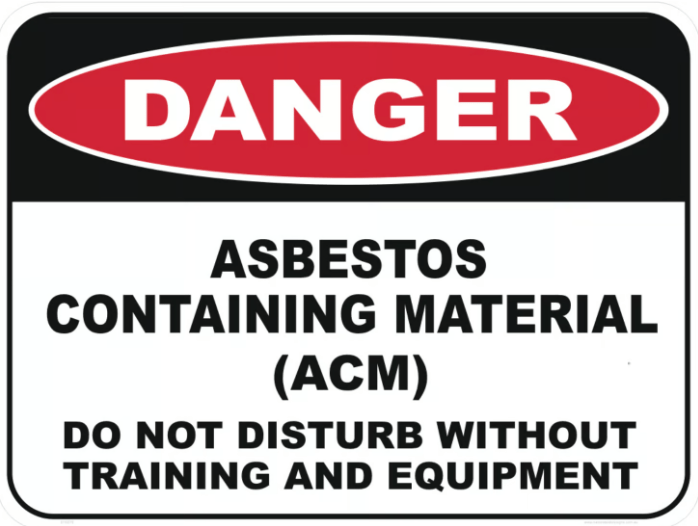
Asbestos – The three options when addressing asbestos in building materials are: first, full blown removal; second, do nothing and leave it alone; and the third, in-place management.