Blogs Where Nature Meets Science & Coatings
"If All the Greedy People that Pollute can get Together & Show Strength in Unity – then Honest, Environmentalists Must Do the Same. You See – It’s as Simple As That.” George C. Keefe - ENCASEMENT Guy
Blogs Where Nature Meets Science & Coatings
"If All the Greedy People that Pollute can get Together & Show Strength in Unity – then Honest, Environmentalists Must Do the Same. You See – It’s as Simple As That.” George C. Keefe - ENCASEMENT Guy
Monday, August 19, 2024
Listen and Learn: Dive into the Audio Version of Our Blog
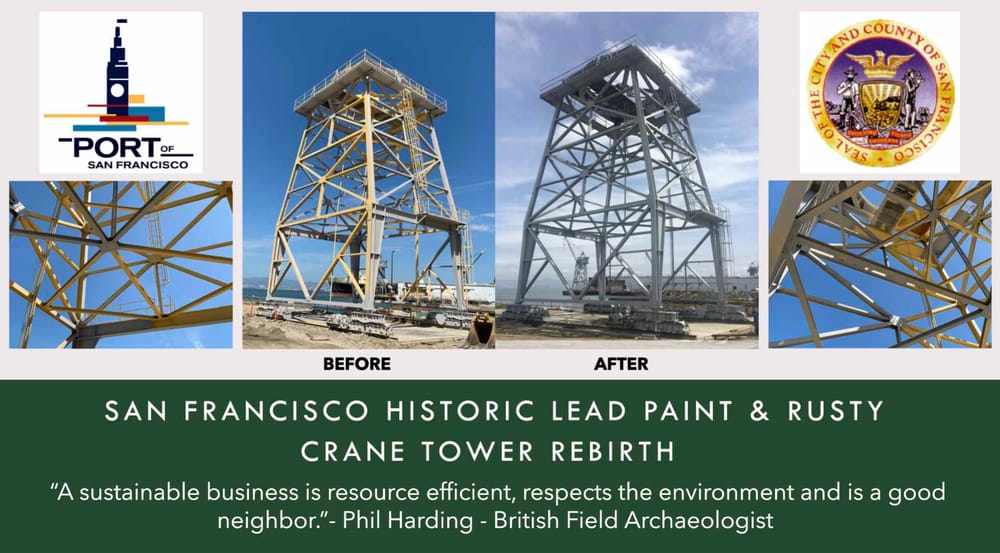
The Port of San Francisco's historic Crane Tower stood as a silent sentinel, its lead-based paint peeling and rust creeping across its frame.
This iconic structure, a testament to the area's rich maritime heritage, faced a daunting challenge: how to preserve its character while ensuring environmental safety and longevity in the harsh coastal climate.
In this episode I reveal how the port authority was tasked with a seemingly impossible mission - to breathe new life into this industrial relic without compromising its historical significance or the surrounding ecosystem highlighted in GEI Case History #310.
The challenges were numerous and complex.
The lead-based paint posed significant health and environmental risks, requiring careful handling and containment.
The tower's exposure to relentless salt spray, extreme temperature fluctuations, and damaging UV rays had accelerated its deterioration.
Moreover, the port sought a solution that would not only halt the current decay but also prevent future corrosion, all while maintaining the structure's authentic appearance.
As the port authorities scoured for solutions, their wish list grew.
They needed a coating system that was not only environmentally friendly but also durable enough to withstand the punishing coastal conditions.
The ideal product would need to seal and waterproof surfaces, effectively halt rust, and offer long-term protection.
Additionally, they sought a cost-effective and sustainable solution that could be customized to match the tower's original color scheme.
Enter Global Encasement, Inc. (GEI), with their innovative, award-winning coating system that for over a quarter of a century had been solving complicated situations and restorations on worldwide projects.
GEI's solution not only met but exceeded the port's stringent requirements, offering a comprehensive approach to the Crane Tower's restoration.
The multi-step process began with the application of GEI's R.I.P. (Rust Inhibiting Primer), a specially formulated coating designed to halt rust in its tracks and prevent further corrosion.
Following the rust inhibitor, GEI's PrepLESS Primer was applied.
This crucial step effectively locked in place any loose, flaking paint chips, encasing the lead-based paint and preventing environmental contamination.
The final touch was the custom-colored LeadLock TopCoat, which not only provided the desired aesthetic finish but also formed a robust barrier against future corrosion, salt spray, and UV damage.
The results were nothing short of remarkable.
The Crane Tower was transformed from a decaying relic to a gleaming icon of San Francisco's waterfront.
GEI's coating system not only preserved the structure's historical integrity but also provided a durable, long-lasting, 20-year renewable solution.
The restored tower now stands as a testament to the possibility of harmonizing historical preservation with environmental responsibility.
This success story extends far beyond the confines of the San Francisco port.
It exemplifies a broader movement towards sustainable, green restoration practices that protect not just buildings, but people and the planet as well.
By choosing green coating encasement solutions, we can significantly reduce the environmental impact of construction and restoration projects.
These advanced coating systems play a crucial role in combating climate change.
By extending the lifespan of existing structures, we reduce the need for new construction, thereby decreasing carbon emissions associated with manufacturing and transportation of building materials.
Moreover, the enhanced energy efficiency of properly sealed and protected buildings contributes to lower energy consumption and reduced greenhouse gas emissions.
To Sum IT UP:
The Crane Tower restoration serves as a shining example of how innovative, environmentally conscious solutions can breathe new life into our industrial heritage while simultaneously contributing to a more sustainable future.
It demonstrates that with the right approach, we can preserve our history, protect our health, and safeguard our environment - all without compromise.
As we face the growing challenges of climate change and environmental degradation, stories like the Crane Tower restoration offer hope and inspiration.
They remind us that with ingenuity, commitment, and the right tools, we can transform our aging infrastructure into beacons of sustainability, bridging our past with a greener, more resilient future.
“A sustainable business is resource efficient, respects the environment and is a good neighbor.” Phil Harding - British Field Archaeologist.
What are your questions?
We are always here to help and excited to answer them.
Contact us at +1 (800) 266-3982 , or send us an email at service@encasement.com and leave a comment below.
See other posts like this one:
Tuesday, September 01, 2020
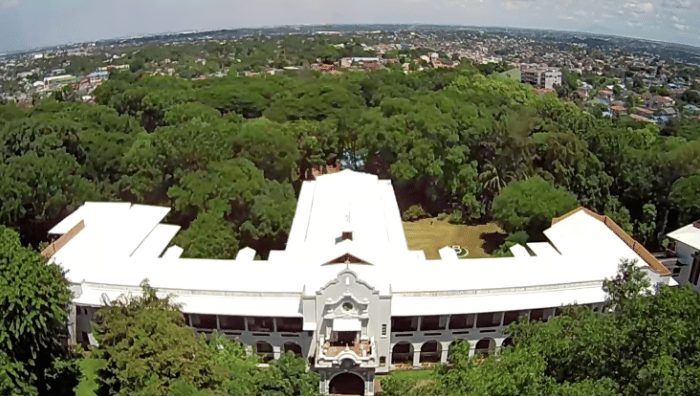
As weather becomes extremely unpredictable around the world, there is an urgent need to strengthen those places that protect us and our contents from harsh, rapidly changing climates.
Thursday, July 30, 2020
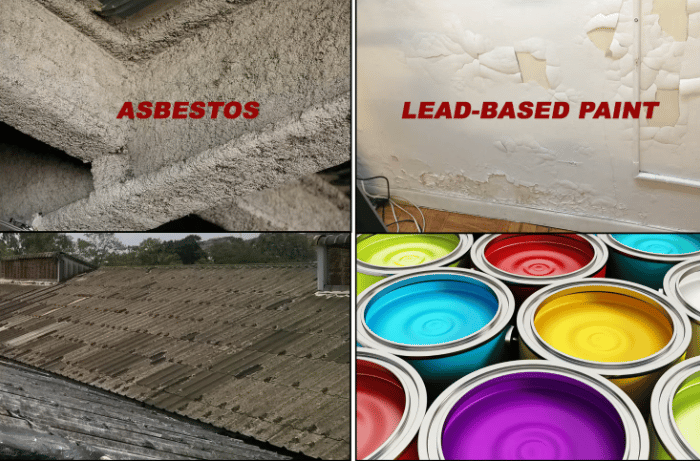
Asbestos and lead-based paint – you know them well. They lurk in older schools, housing complexes, military installations and other buildings, waiting silently to inflict disease and sometimes death on their occupants. Today, asbestos-containing materials (ACM) are found in over 700,000 buildings in the United States, and loose, flaking, or peeling lead-based paint (LBP) is present in more than 72 million United States homes, schools, and other buildings constructed before 1978.
Tuesday, May 12, 2020
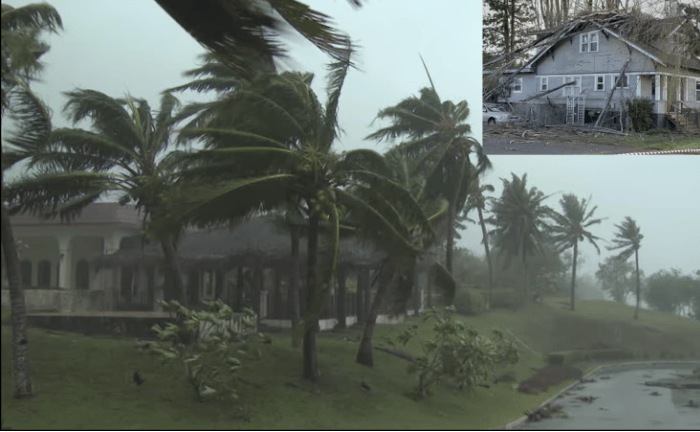
Every year damaging winds accompany hurricanes, typhoons and other strong wind events that leave a trail of destruction. Building and home owners are left with devastating huge building repairs and replacement costs. Some of these buildings can be salvaged and made stronger, defending against the next storm. Others are a complete write-off. It’s not unusual in all the destruction to see a building or house left standing with its roof and walls intact. This is usually a structure that is wind-resistant and better prepared to defend against a strong weather onslaught.

Wednesday, April 22, 2020
The first time I heard about Earth Day was when I was in the eighth grade and my well admired and clever science teacher opened up a discussion on the cons of earth day stating it was some sort of liberal nonsense and a hoax. This agitated most of the class.
Tuesday, April 14, 2020
Sustainable architecture is all about making sure that the buildings we get to live and work in do not have a negative impact on the environment.

Wednesday, March 25, 2020
I think we all agree that it’s so important to minimize the spread of germs. That is one of the most significant and preventative measures we can take.

Thursday, March 19, 2020
Do You Know Why the Right Protective Green Coating Resembles our Largest Organ? The right protective coating can protect all parts of a building just like the skin protects all parts of a body. Both are the first line of defense and without them both our bodies and buildings would be naked eventually causing a complete breakdown. Our largest organ, the skin on the outside of our bodies protects our muscles, organs, bones and brain from infections, sunlight, temperature extremes and other threats. The same is true with the right coating that covers the outside of a building protecting occupants and the structure itself. It prevents the deterioration of interior building components such as heating and cooling apparatus, plumbing, electric and furnishings.

Wednesday, February 19, 2020
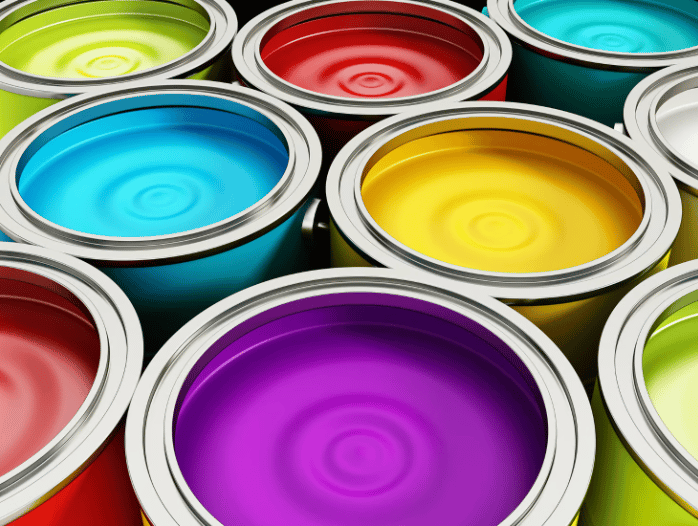
The true cost of a paint or coating is not just the price per gallon/liter. There are direct and indirect costs to consider.
Monday, February 03, 2020
As I travel and work internationally, I encounter different aspects and opinions on asbestos. It has a long background of use in all types of situations and still widely used in building materials. To date, it is still mined and incorporated into many products in several countries. It is controversial at best. My goal is always to try and enlighten and not frighten about some of its uses and misconceptions. The fact is that as much as it is opposed and even outlawed in some parts of the world, it is still mined, exported and used in many others.
Friday, January 03, 2020
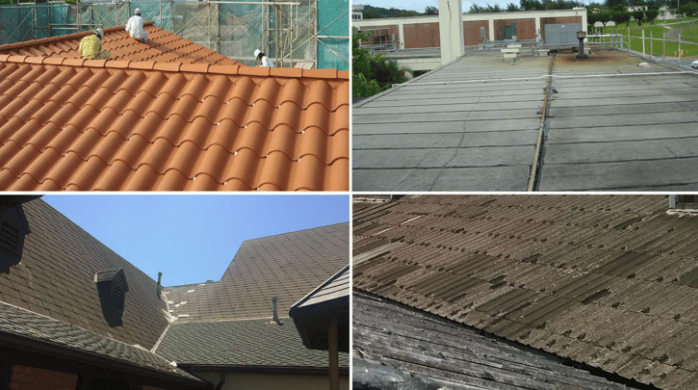
As I’ve studied the issues of what building components are the main culprits of polluting our environment of both soil and water along with generating the most waste, I’ve found that roofing can be a leading offender. This also includes air pollution if the roofing contains asbestos. Asbestos is a large content of many roofs and wall surfaces worldwide and its microscopic fibers are continually released into the environment as it breaks down.
Thursday, December 12, 2019
As I travel internationally and educate many on how to simply deal with solid hazardous materials and safely contain them with green coatings I’m always amazed how differently countries look at situations with building products and how to handle them.
Friday, November 29, 2019
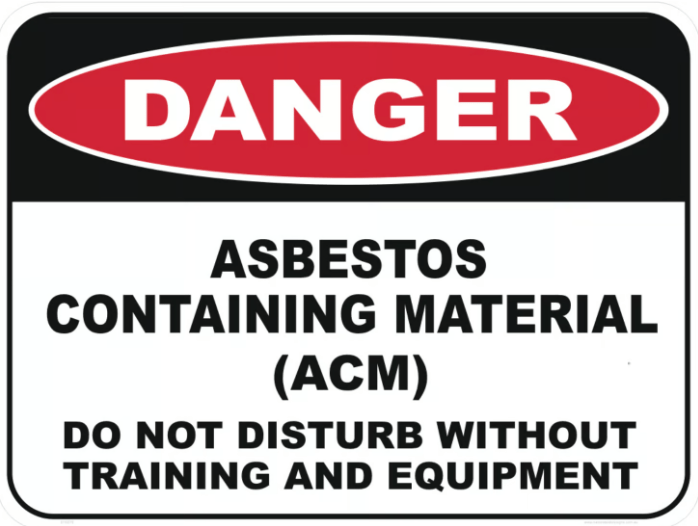
Asbestos – The three options when addressing asbestos in building materials are: first, full blown removal; second, do nothing and leave it alone; and the third, in-place management.