Blogs Where Nature Meets Science & Coatings
"If All the Greedy People that Pollute can get Together & Show Strength in Unity – then Honest, Environmentalists Must Do the Same. You See – It’s as Simple As That.” George C. Keefe - ENCASEMENT Guy
Blogs Where Nature Meets Science & Coatings
"If All the Greedy People that Pollute can get Together & Show Strength in Unity – then Honest, Environmentalists Must Do the Same. You See – It’s as Simple As That.” George C. Keefe - ENCASEMENT Guy
Tuesday, April 14, 2026

By: George Keefe
"If all the greedy polluters can band together to protect their interests, then honest environmentalists must do the same. It's as simple as that.
Listen and Learn: Dive into the Audio Version of Our Blog
The Silent Crisis Eroding Buildings, Health, and the Planet
Every year, property owners lose billions of dollars to premature building failure—and most never see it coming.
Conventional paints and surface coatings, the industry's go-to solution for decades, are doing far more harm than good.
According to the U.S. Environmental Protection Agency (EPA), volatile organic compounds (VOCs) released by standard paints are a leading cause of indoor air pollution, triggering respiratory illness, neurological damage, and long-term health consequences for workers and occupants alike.
The United Nations Environment Programme (UNEP) reports that the global building and construction sector accounts for nearly 38% of total energy-related CO₂ emissions annually.
A significant and under-discussed contributor is the cycle of repeated recoating—stripping, reapplying, and disposing of toxic coating materials every three to five years—a practice that generates millions of tons of chemical waste and accelerates structural deterioration.
The Compounding Cost: When "Maintenance" Becomes the Problem
What most building owners do not realize is that every application of a conventional coating accelerates the very decay it is meant to prevent.
Cheap paints crack, peel, and allow moisture and chemicals to penetrate the substrate—causing concrete spalling, steel corrosion, and wood rot.
The International Journal of Sustainable Built Environment links premature substrate failure directly to low-durability coating systems, with replacement costs estimated at 300–700% more than proactive, high-performance protection.
The economic and environmental math is stark: if a facility recoats every four years rather than every twenty, it purchases, applies, and disposes of five times the material—five times the VOCs, five times the labor, five times the landfill waste.
For business owners and facilities managers, this is not just a maintenance cost.
It is a compounding liability that silently erodes asset value, investor confidence, and community health.
The Regenerative Solution: Green ENCASEMENT Coatings
This is exactly the crisis that regenerative companies are built to solve—and Global Encasement, Inc. (GEI) is leading that charge.
For over 32 years, GEI's Green ENCASEMENT Coatings have provided a scientifically advanced, eco-responsible alternative to conventional surface treatment.
Rather than simply covering a surface, ENCASEMENT Coatings chemically bond to concrete, metal, wood, and masonry—forming a monolithic, waterproof, chemically resistant, and elastomeric protective layer that stretches with the substrate to eliminate cracking and chipping.
Critically, GEI formulations contain zero VOCs and use non-hazardous components, creating a safer environment during installation and throughout the coating's life cycle—aligning directly with OSHA workplace air quality standards (OSHA 1910.94) and LEED certification requirements advocated by the U.S. Green Building Council (USGBC).
On renovation projects, ENCASEMENT Coatings restore and extend the life of existing structures rather than requiring demolition—dramatically reducing material waste and carbon output.
The Results: 20-Year Protection, Circular Economics, and a Regenerated Future
The results speak for themselves.
Surfaces protected by GEI's Green ENCASEMENT Coatings achieve functional lifespans of up to 20 years—three to seven times longer than painted alternatives.
This single fact transforms the economics of building ownership: fewer recoatings mean fewer VOC emissions, less landfill waste, lower total cost of ownership, and dramatically reduced environmental impact over a building's life cycle.
When those structures eventually reach end of life, GEI coatings are biodegradable and can be recycled alongside the substrate, fulfilling a true circular economy model endorsed by frameworks such as the Ellen MacArthur Foundation's Circular Economy Principles.
GEI is a living example of what Christiana Figueres, Costa Rican diplomat and Executive Secretary of the UN Framework Convention on Climate Change (UNFCCC), envisioned when she said: "With our support, regeneration can become the predominant direction of the future evolution of this planet."
Regenerative companies do not merely reduce harm—they actively restore.
Green ENCASEMENT Coatings protect your assets, protect the people inside them, and protect the environment around them.
Do not wait until structural failure forces your hand.
Property owners and facilities managers who act today—choosing Green ENCASEMENT Coatings—will spend less, pollute less, and build lasting asset value.
The regenerative future is not coming.
It is already here.
Cited Sources & References
1. U.S. EPA — Volatile Organic Compounds' Impact on Indoor Air Quality
2. UNEP — Building Sector Emissions Hit Record High (2022)
3. International Journal of Sustainable Built Environment — ScienceDirect
4. OSHA 1910.94 — Ventilation Standards for Hazardous Coatings
5. U.S. Green Building Council — LEED Certification
6. Ellen MacArthur Foundation — Circular Economy Principles
7. Global Encasement, Inc. (GEI) — Green ENCASEMENT Coatings
8. Christiana Figueres — UN Framework Convention on Climate Change (UNFCCC)
Source: Global Encasement, Inc. | Est. Reading Time: 3 min
© 2026 Global Encasement, Inc. | This article is intended as an educational and SEO reference resource. All third-party citations link to publicly available, authoritative sources.
Regenerative Business | Sustainable Coatings | Green Building Solutions | Environmental Innovation
See other posts like this one:
Tuesday, September 01, 2020
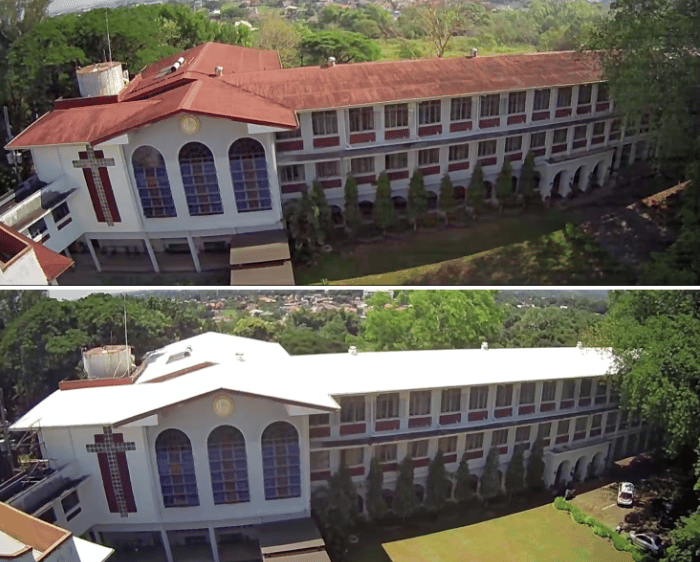
As weather becomes extremely unpredictable around the world, there is an urgent need to strengthen those places that protect us and our contents from harsh, rapidly changing climates.
Thursday, July 30, 2020
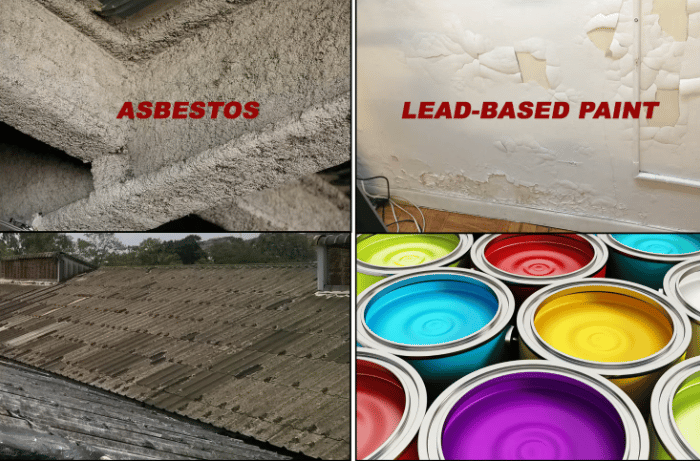
Asbestos and lead-based paint – you know them well. They lurk in older schools, housing complexes, military installations and other buildings, waiting silently to inflict disease and sometimes death on their occupants. Today, asbestos-containing materials (ACM) are found in over 700,000 buildings in the United States, and loose, flaking, or peeling lead-based paint (LBP) is present in more than 72 million United States homes, schools, and other buildings constructed before 1978.
Tuesday, May 12, 2020
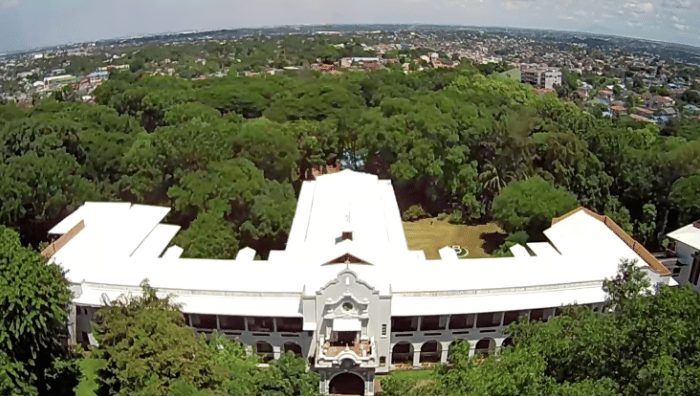
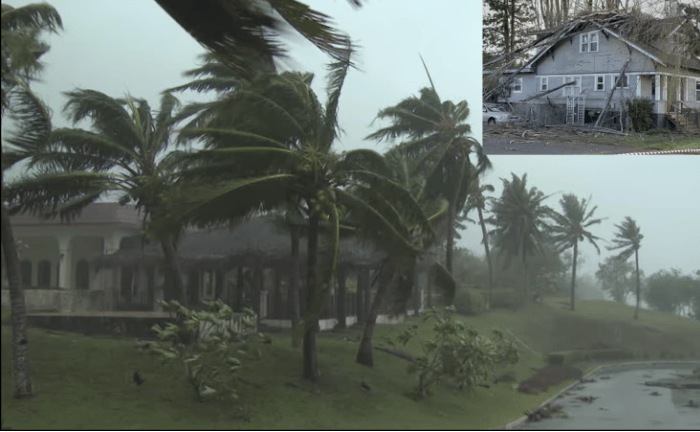
Every year damaging winds accompany hurricanes, typhoons and other strong wind events that leave a trail of destruction. Building and home owners are left with devastating huge building repairs and replacement costs. Some of these buildings can be salvaged and made stronger, defending against the next storm. Others are a complete write-off. It’s not unusual in all the destruction to see a building or house left standing with its roof and walls intact. This is usually a structure that is wind-resistant and better prepared to defend against a strong weather onslaught.

Wednesday, April 22, 2020
The first time I heard about Earth Day was when I was in the eighth grade and my well admired and clever science teacher opened up a discussion on the cons of earth day stating it was some sort of liberal nonsense and a hoax. This agitated most of the class.
Tuesday, April 14, 2020
Sustainable architecture is all about making sure that the buildings we get to live and work in do not have a negative impact on the environment.

Wednesday, March 25, 2020
I think we all agree that it’s so important to minimize the spread of germs. That is one of the most significant and preventative measures we can take.

Thursday, March 19, 2020
Do You Know Why the Right Protective Green Coating Resembles our Largest Organ? The right protective coating can protect all parts of a building just like the skin protects all parts of a body. Both are the first line of defense and without them both our bodies and buildings would be naked eventually causing a complete breakdown. Our largest organ, the skin on the outside of our bodies protects our muscles, organs, bones and brain from infections, sunlight, temperature extremes and other threats. The same is true with the right coating that covers the outside of a building protecting occupants and the structure itself. It prevents the deterioration of interior building components such as heating and cooling apparatus, plumbing, electric and furnishings.

Wednesday, February 19, 2020
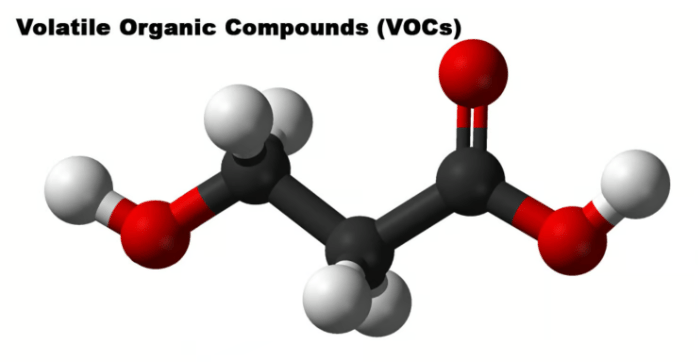
The true cost of a paint or coating is not just the price per gallon/liter. There are direct and indirect costs to consider.
Monday, February 03, 2020
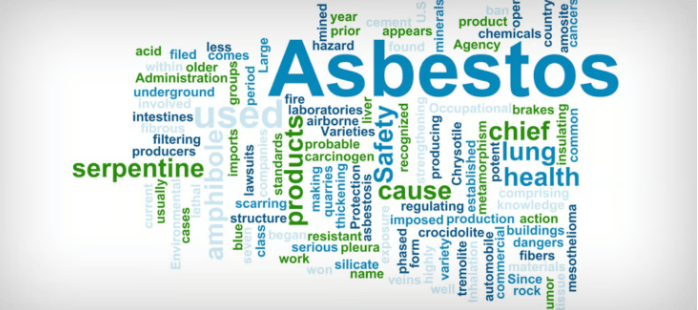
As I travel and work internationally, I encounter different aspects and opinions on asbestos. It has a long background of use in all types of situations and still widely used in building materials. To date, it is still mined and incorporated into many products in several countries. It is controversial at best. My goal is always to try and enlighten and not frighten about some of its uses and misconceptions. The fact is that as much as it is opposed and even outlawed in some parts of the world, it is still mined, exported and used in many others.
Friday, January 03, 2020
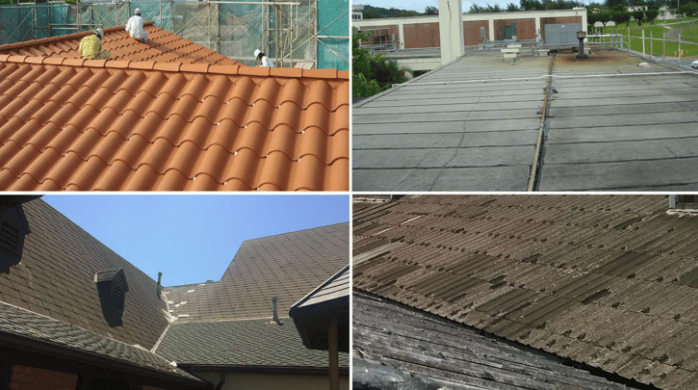
As I’ve studied the issues of what building components are the main culprits of polluting our environment of both soil and water along with generating the most waste, I’ve found that roofing can be a leading offender. This also includes air pollution if the roofing contains asbestos. Asbestos is a large content of many roofs and wall surfaces worldwide and its microscopic fibers are continually released into the environment as it breaks down.
Thursday, December 12, 2019
As I travel internationally and educate many on how to simply deal with solid hazardous materials and safely contain them with green coatings I’m always amazed how differently countries look at situations with building products and how to handle them.
Friday, November 29, 2019
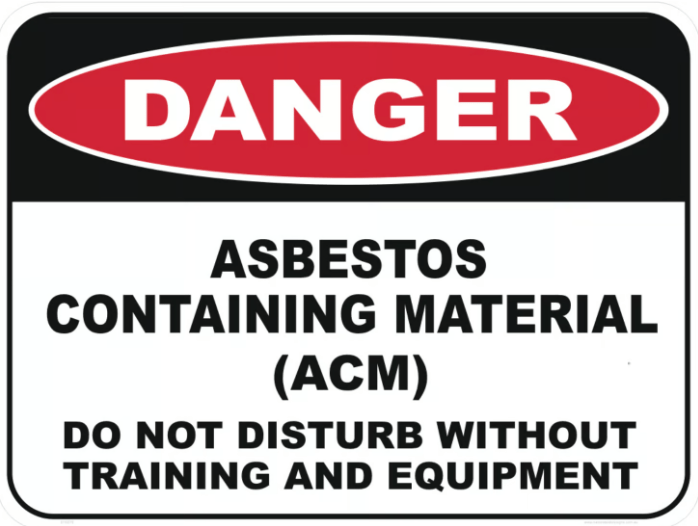
Asbestos – The three options when addressing asbestos in building materials are: first, full blown removal; second, do nothing and leave it alone; and the third, in-place management.