Blogs Where Nature Meets Science & Coatings
"If All the Greedy People that Pollute can get Together & Show Strength in Unity – then Honest, Environmentalists Must Do the Same. You See – It’s as Simple As That.” George C. Keefe - ENCASEMENT Guy
Blogs Where Nature Meets Science & Coatings
"If All the Greedy People that Pollute can get Together & Show Strength in Unity – then Honest, Environmentalists Must Do the Same. You See – It’s as Simple As That.” George C. Keefe - ENCASEMENT Guy
Wednesday, August 28, 2024
By: George C. Keefe
Note: The Author is an Environmentalist, Green Coatings Enthusiast, Contractor, Consultant, Vegan, Blogger, Podcaster. Protecting the Health of People & Planet. CEO & Founder at Global ENCASEMENT, Inc., Restoration & Management vs Removal & Replacement. Why Replace – Just Encase!
Listen and Learn: Dive into the Audio Version of Our Blog
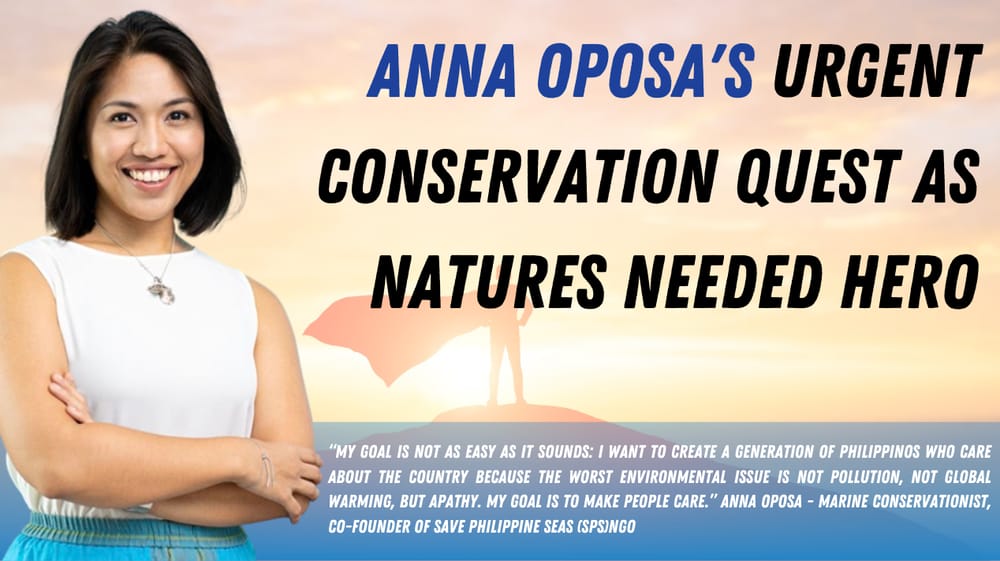
In a world where environmental challenges loom larger than ever, and nature need more warriors than ever before, heroes like Anna Oposa are shining examples of hope for our planet's future.
As a storyteller by passion and marine conservationist by profession, Anna has dedicated her life to protecting the rich biodiversity of the Philippine Seas.
Her journey from musical theatre performer to "Chief Mermaid" of Save Philippine Seas offers an inspiring example of how one person's passion can create waves of positive change.
In this episode I highlight another much needed climate hero and how Anna's story begins with a childhood steeped in environmental awareness, thanks to her father's pioneering work in Philippine environmental law.
This early exposure kindled a deep love for nature and the waters surrounding her home country.
However, it wasn't until she learned about the destruction of a significant portion of the Philippines' coral reef that Anna's path truly crystallized.
At the remarkably young age of 23, Anna co-founded Save Philippine Seas (SPS), an NGO dedicated to mobilizing a generation of Filipinos who care deeply about their country's future.
Her mission?
To protect the astounding marine biodiversity of the Philippines – a nation that harbors five out of six species of marine turtles, the majestic whale shark, and more coral species than even the Great Barrier Reef.
Anna's approach to conservation is as multifaceted as the ecosystems she fights to protect.
As the self-styled "Chief Mermaid" of SPS, she wears many hats: project manager, communications specialist, researcher, writer, module developer, fundraiser, and policy analyst.
This versatility allows her to tackle conservation issues from multiple angles, creating a holistic approach to environmental protection.
One of Anna's most significant achievements is the establishment of the first shark and ray sanctuary in the Philippines in 2012.
The Shark Shelter Project not only protects these magnificent creatures but also builds the capacity of local communities to become stewards of their marine environment.
By linking conservation efforts to sustainable tourism, Anna demonstrates how protecting nature can also benefit local economies.
Education lies at the heart of Anna's conservation strategy.
In 2015, she founded the Sea and Earth Advocates Camp, an environmental education and leadership program that empowers youth aged 18-23 to become conservation leaders.
To date, the program boasts 250 alumni across all 10 Southeast Asian countries, each tackling conservation issues and inspiring others in their communities.
Anna's work extends beyond direct conservation efforts.
She's a powerful voice for change, regularly giving talks and lectures in schools, companies, and communities.
Her ability to communicate complex environmental issues in relatable terms has made her a sought-after contributor to various media outlets.
This talent for storytelling allows Anna to reach a wider audience, inspiring more people to become what SPS calls "seatizens" – engaged citizens who take action for marine conservation.
Perhaps most impressively, Anna's influence reaches the highest levels of government.
Her work exposing illegal wildlife trade has led to court testimonies and media attention, granting her a voice alongside Congress, Senate, and local governments.
This ability to effect change at both grassroots and policy levels is a testament to Anna's comprehensive approach to conservation.
In recent years, Anna has expanded her focus to include the concepts of circular economy and sustainable product use.
She recognizes that protecting marine ecosystems isn't just about direct conservation efforts – it's also about changing how we consume and dispose of products on land.
By promoting eco-friendly products and advocating for the use of the right, long-term, green coatings in construction, creating more of a circular economy, we can all connect the dots between everyday choices and their impact on our oceans.
As climate change continues to threaten marine ecosystems worldwide, Anna Oposa's work becomes increasingly vital.
Her holistic approach – combining direct conservation, education, policy advocacy, and promotion of sustainable practices – offers a model for effective environmental stewardship in the 21st century.
Anna's journey from performer to "Chief Mermaid" reminds us that passion, creativity, and determination can indeed change the world, one sea at a time.
“My goal is not as easy as it sounds: I want to create a generation of Philippinos who care about the country because the worst environmental issue is not pollution, not global warming, but apathy. My goal is to make people care.” - Anna Oposa - Marine Conservationist, Co-founder of Save Philippine Seas (SPS)NGO
What are your questions?
We are always here to help and excited to answer them.
Contact us at +1 (800) 266-3982 , or send us an email at service@encasement.com and leave a comment below.
See other posts like this one:
Thursday, July 30, 2020
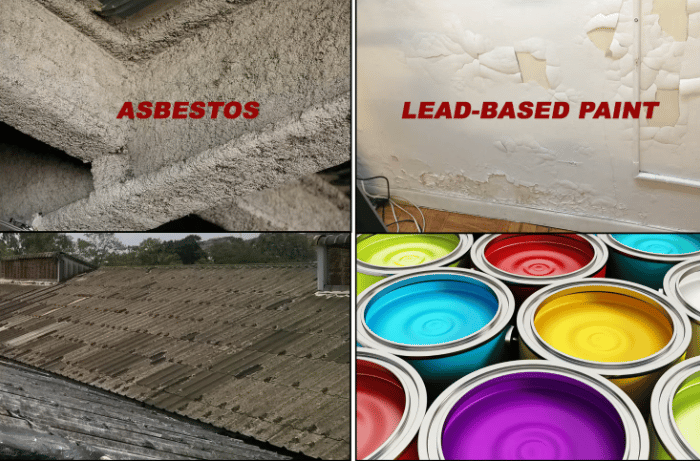
Asbestos and lead-based paint – you know them well. They lurk in older schools, housing complexes, military installations and other buildings, waiting silently to inflict disease and sometimes death on their occupants. Today, asbestos-containing materials (ACM) are found in over 700,000 buildings in the United States, and loose, flaking, or peeling lead-based paint (LBP) is present in more than 72 million United States homes, schools, and other buildings constructed before 1978.

Tuesday, May 12, 2020
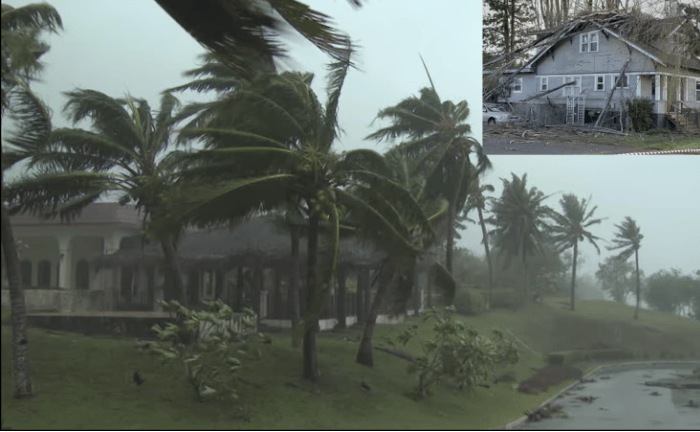
Every year damaging winds accompany hurricanes, typhoons and other strong wind events that leave a trail of destruction. Building and home owners are left with devastating huge building repairs and replacement costs. Some of these buildings can be salvaged and made stronger, defending against the next storm. Others are a complete write-off. It’s not unusual in all the destruction to see a building or house left standing with its roof and walls intact. This is usually a structure that is wind-resistant and better prepared to defend against a strong weather onslaught.

Wednesday, April 22, 2020
The first time I heard about Earth Day was when I was in the eighth grade and my well admired and clever science teacher opened up a discussion on the cons of earth day stating it was some sort of liberal nonsense and a hoax. This agitated most of the class.

Tuesday, April 14, 2020
Sustainable architecture is all about making sure that the buildings we get to live and work in do not have a negative impact on the environment.

Wednesday, March 25, 2020
I think we all agree that it’s so important to minimize the spread of germs. That is one of the most significant and preventative measures we can take.

Thursday, March 19, 2020
Do You Know Why the Right Protective Green Coating Resembles our Largest Organ? The right protective coating can protect all parts of a building just like the skin protects all parts of a body. Both are the first line of defense and without them both our bodies and buildings would be naked eventually causing a complete breakdown. Our largest organ, the skin on the outside of our bodies protects our muscles, organs, bones and brain from infections, sunlight, temperature extremes and other threats. The same is true with the right coating that covers the outside of a building protecting occupants and the structure itself. It prevents the deterioration of interior building components such as heating and cooling apparatus, plumbing, electric and furnishings.

Wednesday, February 19, 2020
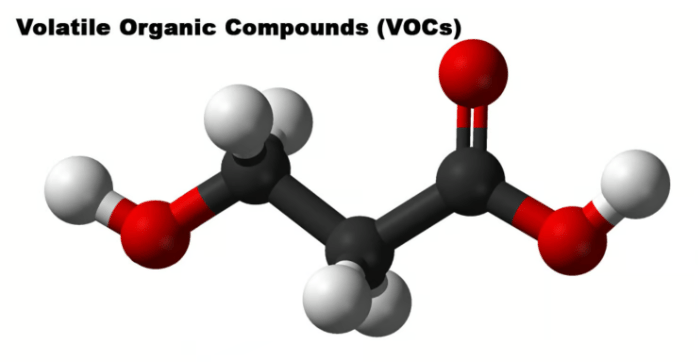
The true cost of a paint or coating is not just the price per gallon/liter. There are direct and indirect costs to consider.
Monday, February 03, 2020
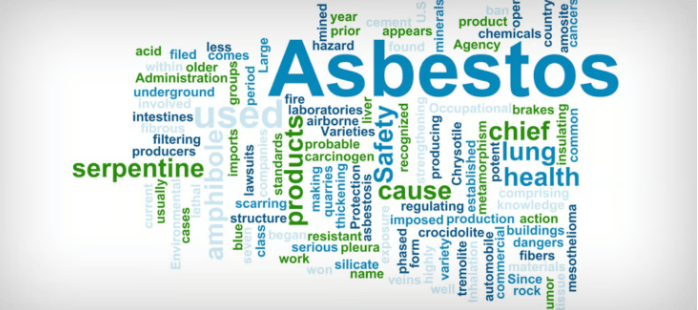
As I travel and work internationally, I encounter different aspects and opinions on asbestos. It has a long background of use in all types of situations and still widely used in building materials. To date, it is still mined and incorporated into many products in several countries. It is controversial at best. My goal is always to try and enlighten and not frighten about some of its uses and misconceptions. The fact is that as much as it is opposed and even outlawed in some parts of the world, it is still mined, exported and used in many others.
Friday, January 03, 2020
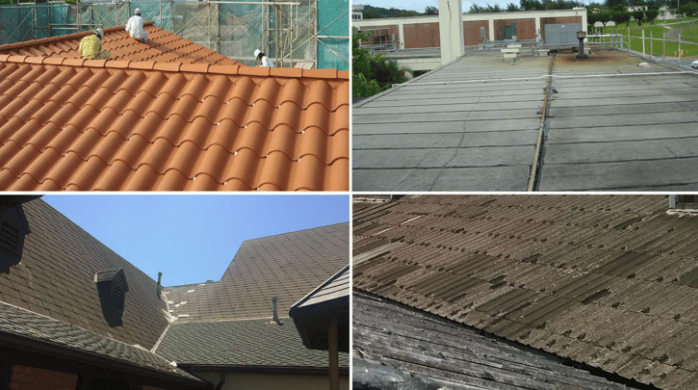
As I’ve studied the issues of what building components are the main culprits of polluting our environment of both soil and water along with generating the most waste, I’ve found that roofing can be a leading offender. This also includes air pollution if the roofing contains asbestos. Asbestos is a large content of many roofs and wall surfaces worldwide and its microscopic fibers are continually released into the environment as it breaks down.

Thursday, December 12, 2019
As I travel internationally and educate many on how to simply deal with solid hazardous materials and safely contain them with green coatings I’m always amazed how differently countries look at situations with building products and how to handle them.
Friday, November 29, 2019
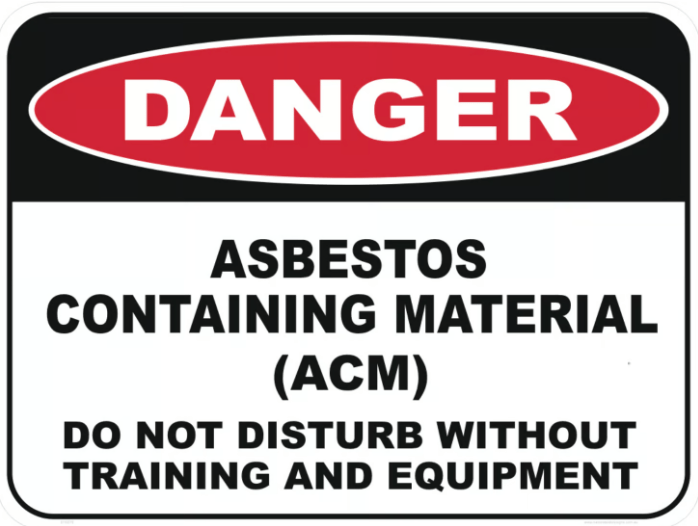
Asbestos – The three options when addressing asbestos in building materials are: first, full blown removal; second, do nothing and leave it alone; and the third, in-place management.