Blogs Where Nature Meets Science & Coatings
"If All the Greedy People that Pollute can get Together & Show Strength in Unity – then Honest, Environmentalists Must Do the Same. You See – It’s as Simple As That.” George C. Keefe - ENCASEMENT Guy
Blogs Where Nature Meets Science & Coatings
"If All the Greedy People that Pollute can get Together & Show Strength in Unity – then Honest, Environmentalists Must Do the Same. You See – It’s as Simple As That.” George C. Keefe - ENCASEMENT Guy
Tuesday, March 17, 2026
By: George Keefe
"If all the greedy polluters can band together to protect their interests, then honest environmentalists must do the same. It's as simple as that.
Listen and Learn: Dive into the Audio Version of Our Blog
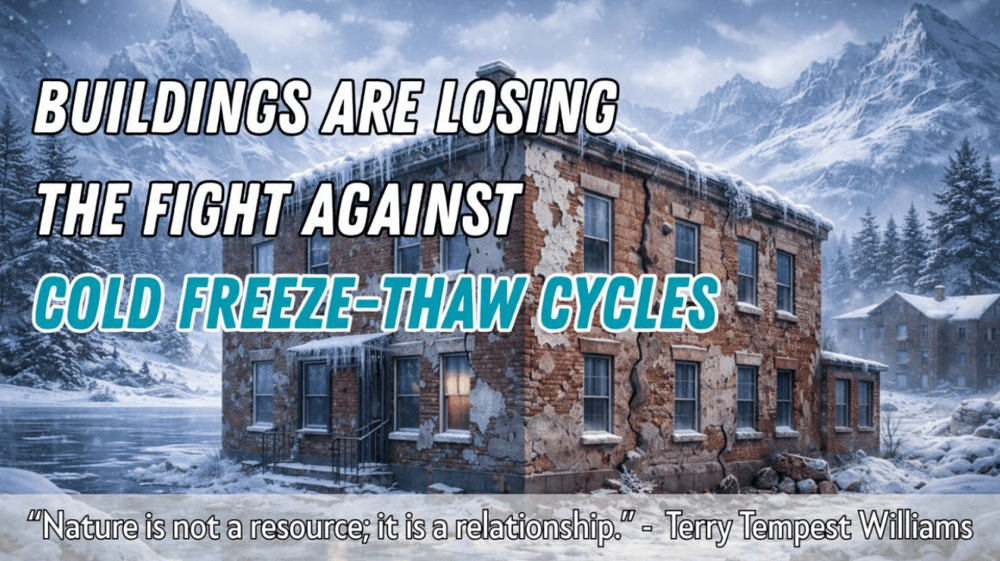
Why freeze–thaw cycles silently destroy what conventional paint can never protect — and how Green ENCASEMENT Coatings are engineered to win that battle.
The Invisible Assault Happening Right Now
Every winter morning, every frigid night, every sudden cold snap — your building’s exterior surfaces are absorbing a punishment most property owners never see coming.
Temperature swings and freeze–thaw cycles are among the most destructive forces in nature, and they work in silence, invisibly dismantling surface protection coat by coat, season by season.
In this episode, I explain what actually happens: as temperatures drop below freezing, any moisture that has infiltrated a surface — no matter how small the crack or pore — turns to ice.
Water expands up to 9% when it freezes.
That expansion exerts enormous outward pressure inside the material.
Then the temperature rises, the ice melts, and the material contracts.
The crack is now slightly wider than before.
Repeat this cycle dozens, sometimes hundreds of times across a single winter, and you are watching slow-motion structural failure unfold.
This is not a hypothetical risk.
This is physics.
And it is happening to your property every single cold-weather season.
Why Conventional Paint Makes the Problem Worse
Here is the part the paint industry rarely wants to talk about: conventional exterior paint is not designed for freeze–thaw survival.
It is formulated to look good on a dry surface in moderate conditions.
That is it.
Paint is rigid by nature.
It sits on top of a surface as a thin, inflexible film.
When the substrate beneath it expands due to freezing moisture, the paint cannot move with it.
It cracks.
It bubbles.
It peels.
And once that seal is broken, moisture floods in even faster, accelerating the very damage cycle it was supposed to prevent.
The cruel reality is that a failing paint coating does not just stop protecting — it actively traps moisture inside the substrate, creating the perfect environment for freeze–thaw destruction to accelerate.
What starts as a cosmetic issue becomes structural decay.
What begins as peeling paint ends as breaking down concrete, rotted wood, or corroded, rusting metal.
Every year you delay replacing an inadequate surface coating on a building exposed to cold-weather cycling, you are not standing still — you are falling further behind.
The damage compounds.
The repair costs multiply.
The window for protecting your investment quietly closes.
Engineered for the Extremes Paint Will Never Survive
Green ENCASEMENT Coatings were not adapted from paint technology — they were built from an entirely different engineering philosophy, and that difference is everything when freeze–thaw cycles are in play.
At the core of the Green ENCASEMENT system is advanced cross-link bonding technology that does not merely sit on a surface — it penetrates microscopic pores and cracks, forming a molecular bond that becomes structurally integrated with the substrate itself.
When that substrate expands under freezing pressure, the encasement moves with it.
When it contracts in warmth, the encasement contracts with it.
There is no delamination, no cracking, no failure point created.
This high-flexibility, superior-elongation performance is the critical distinction.
Green ENCASEMENT Coatings stretch and compress through the full range of thermal movement that freeze–thaw cycles demand — indefinitely.
Buildings in harsh climates experience surface temperatures ranging from below zero to 150°F or more in direct sun.
That is an extreme thermal bandwidth that rigid coatings simply cannot accommodate.
Encasement is specifically designed for exactly this challenge.
The seamless, monolithic, powerful membrane created by liquid application eliminates the seams, fasteners, and penetration points where water first gains entry — the very entry points that make freeze–thaw damage possible in the first place.
No seams means no invasion routes.
No invasion routes means the cycle cannot begin.
Just protection that performs season after brutal season.
To Sum IT Up:
Property owners who make the transition from conventional, weak paint to Green ENCASEMENT Coatings do not just get a better-looking building — they get a fundamentally better defended and resilient one.
A building that is no longer quietly losing ground to winter.
A building whose surface protection improves its structural integrity rather than masking its decline.
With guaranteed renewable protection cycles of 20 years or more, Green ENCASEMENT Coatings deliver something conventional paint simply cannot promise: lasting thermal cycling endurance.
Season after season.
Freeze after freeze.
Thaw after thaw.
The encasement holds because it was built to hold, not just to cover.
The choice is straightforward: continue applying a cosmetic product designed for aesthetics to a challenge that demands engineering — or apply a system purpose-built to outlast, outperform, and outprotect everything the seasons can deliver.
Your building is fighting every cold night and every warming morning.
Give it something that actually wins that fight.
Green ENCASEMENT Coatings — Three-Dimensional Protection Built for the Real World.
“Nature is not a resource; it is a relationship.” - Terry Tempest Williams
See other posts like this one:
Tuesday, September 01, 2020
As weather becomes extremely unpredictable around the world, there is an urgent need to strengthen those places that protect us and our contents from harsh, rapidly changing climates.
Thursday, July 30, 2020
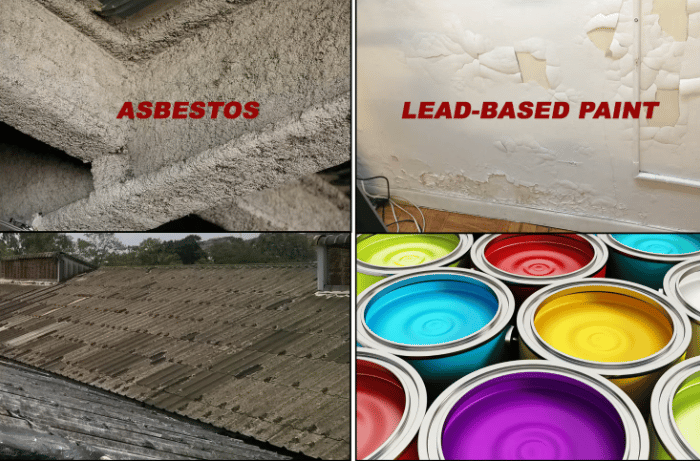
Asbestos and lead-based paint – you know them well. They lurk in older schools, housing complexes, military installations and other buildings, waiting silently to inflict disease and sometimes death on their occupants. Today, asbestos-containing materials (ACM) are found in over 700,000 buildings in the United States, and loose, flaking, or peeling lead-based paint (LBP) is present in more than 72 million United States homes, schools, and other buildings constructed before 1978.
Tuesday, May 12, 2020
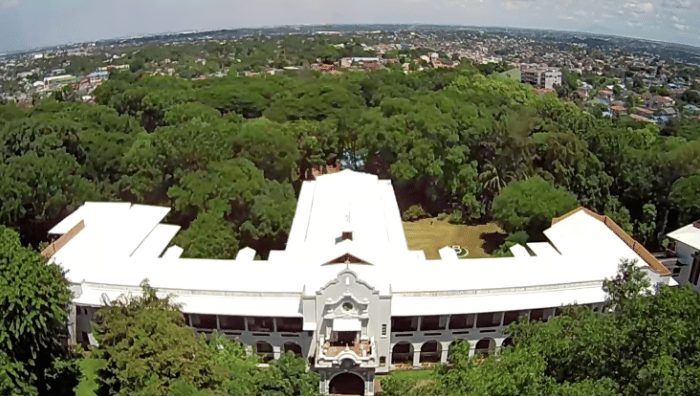
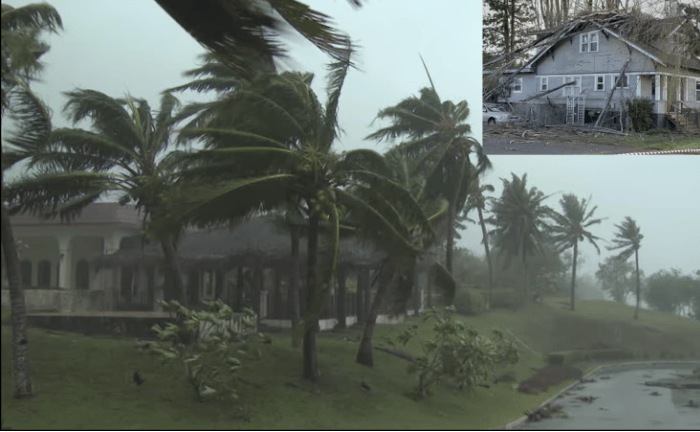
Every year damaging winds accompany hurricanes, typhoons and other strong wind events that leave a trail of destruction. Building and home owners are left with devastating huge building repairs and replacement costs. Some of these buildings can be salvaged and made stronger, defending against the next storm. Others are a complete write-off. It’s not unusual in all the destruction to see a building or house left standing with its roof and walls intact. This is usually a structure that is wind-resistant and better prepared to defend against a strong weather onslaught.

Wednesday, April 22, 2020
The first time I heard about Earth Day was when I was in the eighth grade and my well admired and clever science teacher opened up a discussion on the cons of earth day stating it was some sort of liberal nonsense and a hoax. This agitated most of the class.
Tuesday, April 14, 2020
Sustainable architecture is all about making sure that the buildings we get to live and work in do not have a negative impact on the environment.

Wednesday, March 25, 2020
I think we all agree that it’s so important to minimize the spread of germs. That is one of the most significant and preventative measures we can take.

Thursday, March 19, 2020
Do You Know Why the Right Protective Green Coating Resembles our Largest Organ? The right protective coating can protect all parts of a building just like the skin protects all parts of a body. Both are the first line of defense and without them both our bodies and buildings would be naked eventually causing a complete breakdown. Our largest organ, the skin on the outside of our bodies protects our muscles, organs, bones and brain from infections, sunlight, temperature extremes and other threats. The same is true with the right coating that covers the outside of a building protecting occupants and the structure itself. It prevents the deterioration of interior building components such as heating and cooling apparatus, plumbing, electric and furnishings.

Wednesday, February 19, 2020
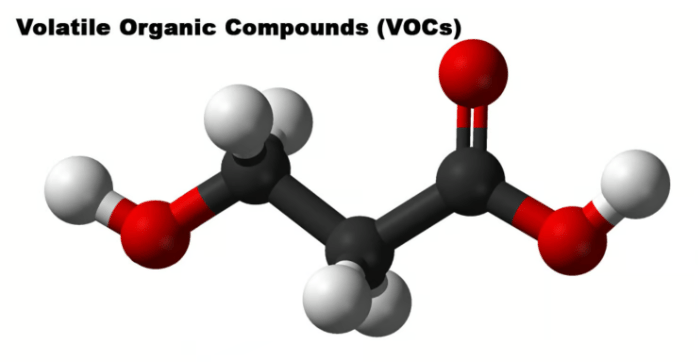
The true cost of a paint or coating is not just the price per gallon/liter. There are direct and indirect costs to consider.
Monday, February 03, 2020
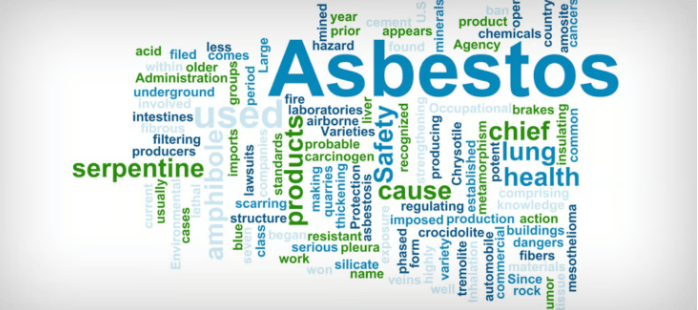
As I travel and work internationally, I encounter different aspects and opinions on asbestos. It has a long background of use in all types of situations and still widely used in building materials. To date, it is still mined and incorporated into many products in several countries. It is controversial at best. My goal is always to try and enlighten and not frighten about some of its uses and misconceptions. The fact is that as much as it is opposed and even outlawed in some parts of the world, it is still mined, exported and used in many others.
Friday, January 03, 2020
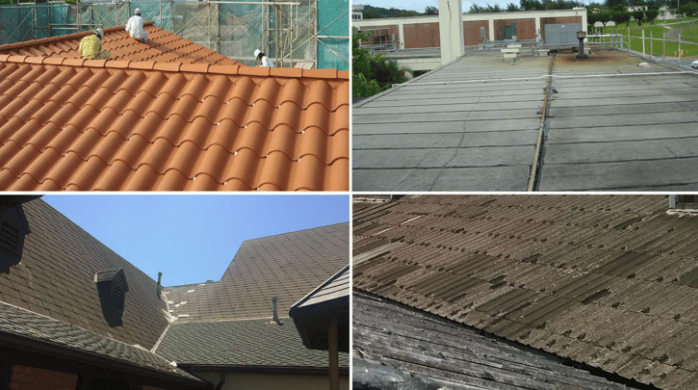
As I’ve studied the issues of what building components are the main culprits of polluting our environment of both soil and water along with generating the most waste, I’ve found that roofing can be a leading offender. This also includes air pollution if the roofing contains asbestos. Asbestos is a large content of many roofs and wall surfaces worldwide and its microscopic fibers are continually released into the environment as it breaks down.
Thursday, December 12, 2019
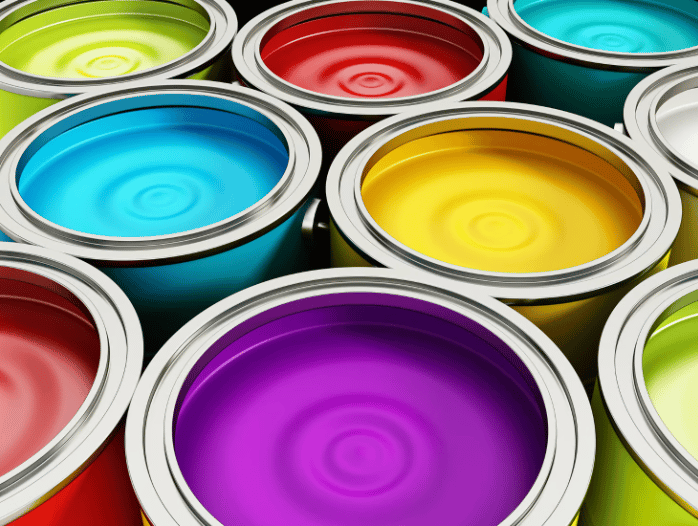
As I travel internationally and educate many on how to simply deal with solid hazardous materials and safely contain them with green coatings I’m always amazed how differently countries look at situations with building products and how to handle them.
Friday, November 29, 2019
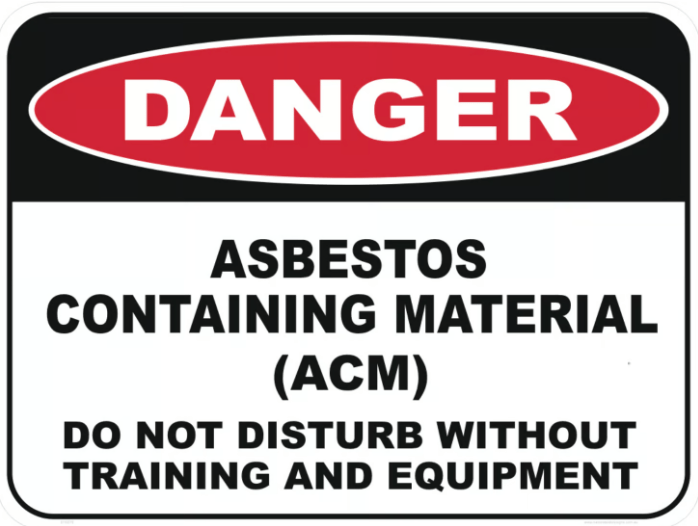
Asbestos – The three options when addressing asbestos in building materials are: first, full blown removal; second, do nothing and leave it alone; and the third, in-place management.