Blogs Where Nature Meets Science & Coatings
"If All the Greedy People that Pollute can get Together & Show Strength in Unity – then Honest, Environmentalists Must Do the Same. You See – It’s as Simple As That.” George C. Keefe - ENCASEMENT Guy
Blogs Where Nature Meets Science & Coatings
"If All the Greedy People that Pollute can get Together & Show Strength in Unity – then Honest, Environmentalists Must Do the Same. You See – It’s as Simple As That.” George C. Keefe - ENCASEMENT Guy
Thursday, September 26, 2024

By: George C. Keefe
Note: The Author is an Environmentalist, Green Coatings Enthusiast, Advisor, Contractor, Consultant, Vegan, Blogger, Podcaster. Protecting the Health of People & Planet. CEO & Founder at Global ENCASEMENT, Inc., Restoration & Management vs Removal & Replacement. Why Replace – Just Encase!
Listen and Learn: Dive into the Audio Version of Our Blog
As the climate crisis escalates, the urgency to respond effectively has never been more critical.
The world is grappling with unprecedented environmental changes—extreme weather events, melting ice caps, and rising sea levels are no longer distant threats; they are today's reality.
In this episode I ask you to consider what if we could apply a powerful decision-making framework, originally designed for military strategy, to navigate these turbulent times?
Enter the OODA Loop, a tool that can help us make swift, informed, and strategic decisions to combat climate change.
The OODA Loop is a decision-making model developed by U.S. Air Force Colonel John Boyd in the 1950s. "OODA" stands for Observe, Orient, Decide, and Act, and the model is aimed at promoting rapid and effective responses in high-pressure situations.
Initially used in aerial combat, the OODA Loop has since been applied to various fields, including business, law enforcement, cybersecurity, and management education.
Boyd's insight was simple yet profound: in any conflict, the side that can cycle through the OODA Loop faster will gain the upper hand.
This speed and adaptability are crucial in an environment of uncertainty and rapid change—conditions that mirror today's climate crisis.
So, how can we leverage this framework to tackle the biggest challenge of our time?
Applying the OODA Loop to Climate Action
Observe:
The first step is to gather as much information as possible about the current state of the environment.
This involves monitoring weather patterns, understanding the impact of human activities on ecosystems, and recognizing signs of climate stress, such as declining biodiversity and increased greenhouse gas emissions.
Observing the realities of our changing climate allows us to acknowledge the crisis's scope and urgency.
Orient:
Next, we must orient ourselves by analyzing this information to create a clear, comprehensive picture of the problem.
This step involves understanding the interconnectedness of different environmental factors and how they affect one another.
For example, deforestation contributes to carbon emissions, which in turn accelerate global warming.
By orienting ourselves in this way, we can identify key leverage points where targeted actions could have the most significant impact.
Decide:
Based on our observations and orientation, we must then decide on a course of action.
This could mean choosing to invest in renewable energy, implementing sustainable agricultural practices, or reducing carbon footprints at individual and organizational levels.
The key here is to make decisions swiftly, with a commitment to adaptability.
Just as in combat, we must be prepared to reassess and change course as new information emerges.
Act:
Finally, we must act on our decisions, putting plans into motion with urgency and determination.
Whether it's advocating for policy changes, adopting eco-friendly products, or supporting green technologies, every action counts.
The faster and more decisively we act, the more we can mitigate the worst effects of climate change.
Incorporating eco-friendly products into our actions is a practical and immediate way to contribute to environmental protection.
One critical area is the use of encasement with the right green coatings.
These products not only help to reduce the environmental impact of buildings but also offer a sustainable solution for preserving infrastructure.
The right green coatings protect surfaces long-term from environmental degradation while they minimize the release of harmful chemicals into the air.
When we choose the right long-lasting, green coatings, guaranteed, with 20 year, renewable service cycles - we’re not just protecting buildings; we’re actively participating in the fight against climate change.
The right green coatings are solar reflective and can create indoor passive cooling while reflecting heat away from surfaces and reduce energy consumption by improving insulation, sealing leaks that allow energy loss, thereby cutting down on the use of heating and cooling systems.
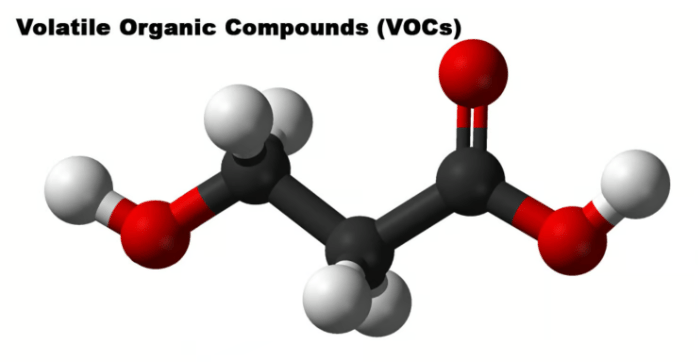
They also play a crucial role in reducing emissions, being water-based, non-toxic, biodegradable, with zero to low VOC’s (volatile organic content) supporting healthier environments for people and the planet alike.
To Sum IT Up:
Applying the OODA Loop to climate action reminds us that we must be both strategic and swift in our response to the crisis.
Observing our environment, orienting ourselves with the facts, making informed decisions, and acting swiftly are all essential steps to combat climate change effectively.
By integrating these principles with the use of eco-friendly products like the right long-term, green coatings, we can protect not only our buildings but also the future of our planet.
As we navigate these challenging times, the OODA Loop offers a powerful framework to guide our actions.
Let’s use it to outthink and outmaneuver the climate crisis, one decision at a time.
Remember, every choice we make today impacts our tomorrow. Let's make those choices count.
“If we do not change direction, we are likely to end up where we are headed.” - Chinese proverb
What are your questions?
We are always here to help and excited to answer them.
Contact us at +1 (800) 266-3982 , or send us an email at service@encasement.com and leave a comment below.
See other posts like this one:
Thursday, July 30, 2020
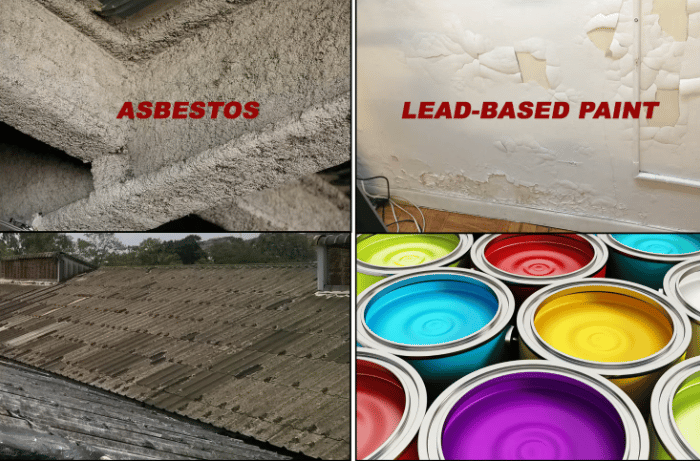
Asbestos and lead-based paint – you know them well. They lurk in older schools, housing complexes, military installations and other buildings, waiting silently to inflict disease and sometimes death on their occupants. Today, asbestos-containing materials (ACM) are found in over 700,000 buildings in the United States, and loose, flaking, or peeling lead-based paint (LBP) is present in more than 72 million United States homes, schools, and other buildings constructed before 1978.

Tuesday, May 12, 2020
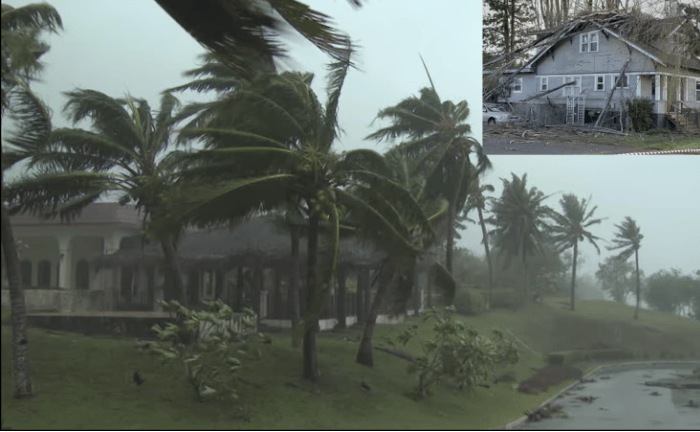
Every year damaging winds accompany hurricanes, typhoons and other strong wind events that leave a trail of destruction. Building and home owners are left with devastating huge building repairs and replacement costs. Some of these buildings can be salvaged and made stronger, defending against the next storm. Others are a complete write-off. It’s not unusual in all the destruction to see a building or house left standing with its roof and walls intact. This is usually a structure that is wind-resistant and better prepared to defend against a strong weather onslaught.

Wednesday, April 22, 2020
The first time I heard about Earth Day was when I was in the eighth grade and my well admired and clever science teacher opened up a discussion on the cons of earth day stating it was some sort of liberal nonsense and a hoax. This agitated most of the class.

Tuesday, April 14, 2020
Sustainable architecture is all about making sure that the buildings we get to live and work in do not have a negative impact on the environment.

Wednesday, March 25, 2020
I think we all agree that it’s so important to minimize the spread of germs. That is one of the most significant and preventative measures we can take.

Thursday, March 19, 2020
Do You Know Why the Right Protective Green Coating Resembles our Largest Organ? The right protective coating can protect all parts of a building just like the skin protects all parts of a body. Both are the first line of defense and without them both our bodies and buildings would be naked eventually causing a complete breakdown. Our largest organ, the skin on the outside of our bodies protects our muscles, organs, bones and brain from infections, sunlight, temperature extremes and other threats. The same is true with the right coating that covers the outside of a building protecting occupants and the structure itself. It prevents the deterioration of interior building components such as heating and cooling apparatus, plumbing, electric and furnishings.

Wednesday, February 19, 2020
The true cost of a paint or coating is not just the price per gallon/liter. There are direct and indirect costs to consider.
Monday, February 03, 2020
As I travel and work internationally, I encounter different aspects and opinions on asbestos. It has a long background of use in all types of situations and still widely used in building materials. To date, it is still mined and incorporated into many products in several countries. It is controversial at best. My goal is always to try and enlighten and not frighten about some of its uses and misconceptions. The fact is that as much as it is opposed and even outlawed in some parts of the world, it is still mined, exported and used in many others.
Friday, January 03, 2020
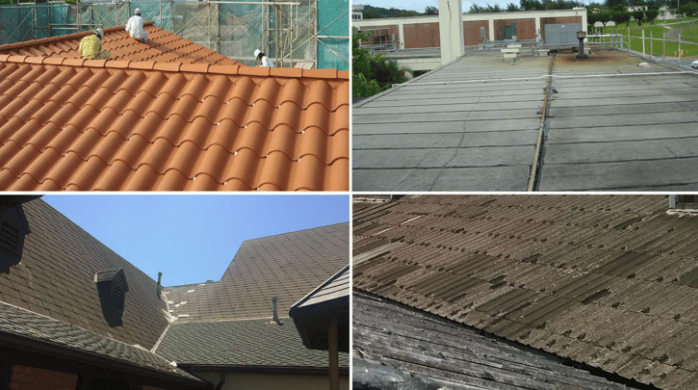
As I’ve studied the issues of what building components are the main culprits of polluting our environment of both soil and water along with generating the most waste, I’ve found that roofing can be a leading offender. This also includes air pollution if the roofing contains asbestos. Asbestos is a large content of many roofs and wall surfaces worldwide and its microscopic fibers are continually released into the environment as it breaks down.
Thursday, December 12, 2019
As I travel internationally and educate many on how to simply deal with solid hazardous materials and safely contain them with green coatings I’m always amazed how differently countries look at situations with building products and how to handle them.
Friday, November 29, 2019
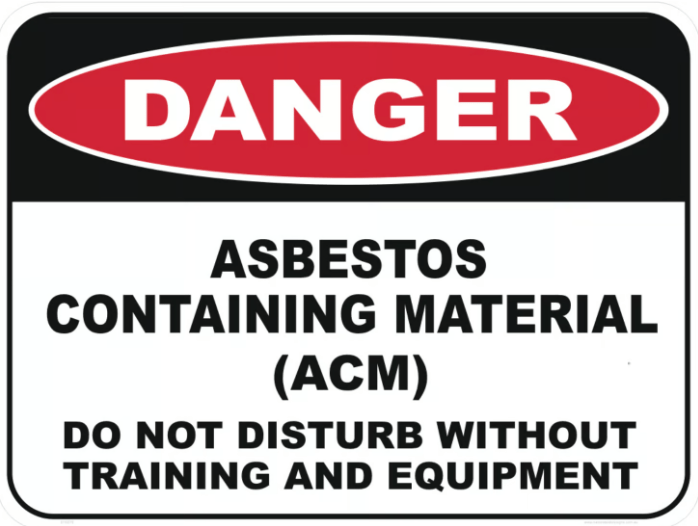
Asbestos – The three options when addressing asbestos in building materials are: first, full blown removal; second, do nothing and leave it alone; and the third, in-place management.