Blogs Where Nature Meets Science & Coatings
"If All the Greedy People that Pollute can get Together & Show Strength in Unity – then Honest, Environmentalists Must Do the Same. You See – It’s as Simple As That.” George C. Keefe - ENCASEMENT Guy
Blogs Where Nature Meets Science & Coatings
"If All the Greedy People that Pollute can get Together & Show Strength in Unity – then Honest, Environmentalists Must Do the Same. You See – It’s as Simple As That.” George C. Keefe - ENCASEMENT Guy
Thursday, July 11, 2024

Listen and Learn: Dive into the Audio Version of Our Blog
In the wake of devastating natural disasters, our planet's ecosystems often lie battered and broken.
But there's hope on the horizon, and it comes in the form of a simple yet powerful solution: trees.
These silent guardians of our environment hold the key to rejuvenating damaged landscapes, restoring critical biodiversity habitats, and paving the way for a greener, more resilient future.
In this episode I explore how planting trees can facilitate ecosystem recovery and how this vital practice intertwines with the use of eco-friendly products and the right green coatings.
The Power of Trees in Ecosystem Recovery
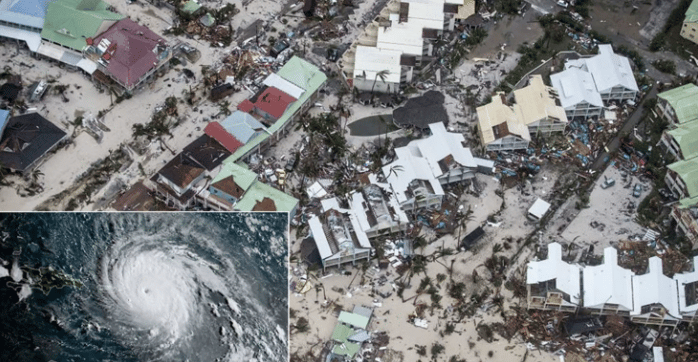
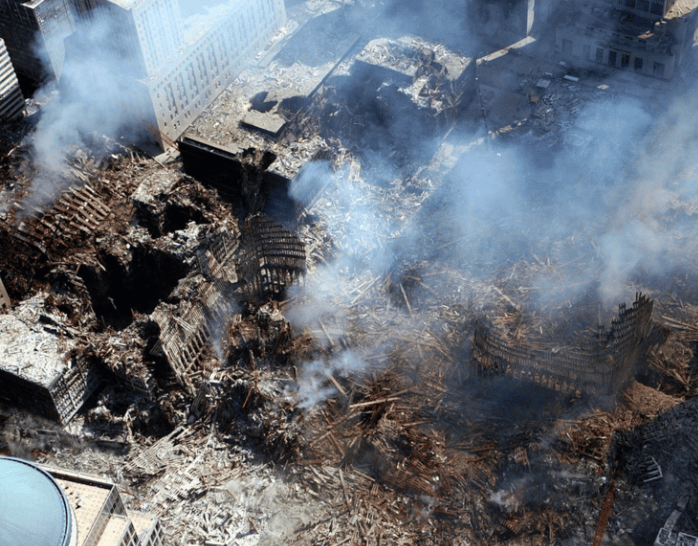
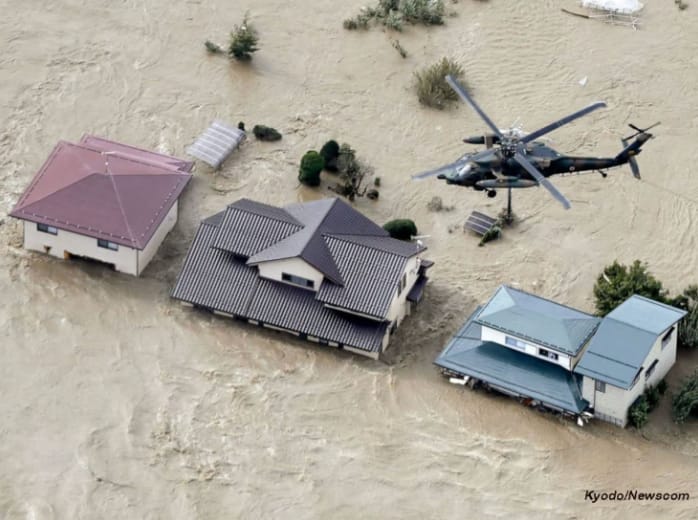
When natural disasters strike, whether it's hurricanes, wildfires, or floods, they leave behind a trail of destruction that extends far beyond human infrastructure.
Ecosystems suffer immense damage, with entire habitats wiped out and delicate balances disrupted.
This is where trees step in as nature's own restoration specialists.
Trees are master multitaskers in the realm of ecosystem recovery.
They stabilize soil, preventing erosion and landslides in areas ravaged by floods or deforestation.
Their roots create a complex underground network that helps retain water, reducing the risk of future flooding and drought.
As they grow, trees sequester carbon dioxide, mitigating the effects of climate change that often magnify natural disasters.
But perhaps most crucially, trees provide a foundation for biodiversity to flourish once again.
They offer shelter and food sources for countless species, from the tiniest insects to birds and mammals.
As tree populations recover, they create microclimates that support the regrowth of understory plants and the return of native species.
Restoring Critical Biodiversity Habitats
Biodiversity is the cornerstone of healthy ecosystems, and trees play a pivotal role in its restoration.
By strategically planting native tree species, we can recreate lost habitats and provide the necessary conditions for local flora and fauna to thrive once more.
In coastal areas prone to hurricanes, mangrove reforestation has proven to be a game-changer.
These salt-tolerant trees not only protect shorelines from storm surges but also create nurseries for marine life, supporting the recovery of fish populations and other aquatic species.
In fire-prone regions, planting fire-resistant tree species can help create natural firebreaks and promote the regrowth of a more resilient forest ecosystem.
These trees adapt to periodic fires, often with thick bark or the ability to resprout after being burned, ensuring the long-term survival of the forest and its inhabitants.
The Green Tech Connection: Eco-Friendly Products and Coatings
As we embrace the power of trees in ecosystem recovery, it's crucial to extend our environmental consciousness to all aspects of our lives.
This is where eco-friendly products and the right green coatings come into play, forming a synergistic relationship with reforestation efforts.
Eco-friendly products, that are water-based, non-toxic, biodegradable and Class A Fire-Rated reduce our overall environmental impact.
By choosing these products, we decrease the strain on natural resources and minimize pollution, creating a more hospitable environment for newly planted trees and recovering ecosystems.
The right green coatings, in particular, offer a fascinating intersection between technology and environmental stewardship.
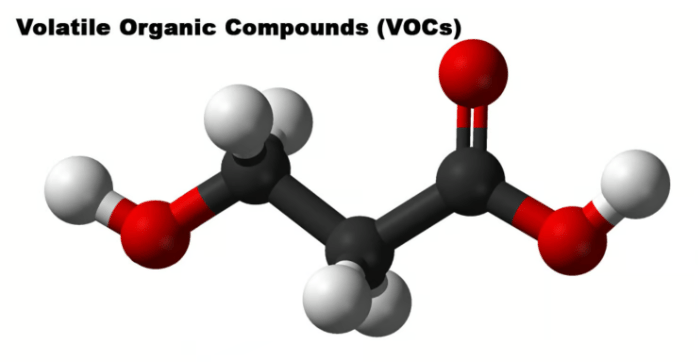
These innovative formulations are designed to be zero to low in volatile organic compounds (VOCs) and often incorporate renewable resources.
When used in construction and manufacturing, the right green coatings can significantly reduce the carbon footprint of buildings and products.
But how do green coatings directly relate to tree planting and ecosystem recovery?
The connection lies in their ability to protect and extend the life of various structures and materials.
By using the right green coatings on outdoor buildings, homes and even infrastructure, we ensure longer-lasting products that require less frequent replacement.
This translates to reduced resource consumption and less waste, ultimately supporting the health of our recovering ecosystems.
Moreover, some cutting-edge green coatings are being developed with properties that actively benefit the environment.
For instance, being long-term and defensive with at least 20-year protection of service life-cycles and easily renewed reducing waste along with less need of natural resources for replacements, while others are designed to reflect more sunlight, reducing the urban heat island effect.
These long-term green coatings also have the power to restore old, worn out building surfaces like roofs that would normally be removed and replaced that now can be restored too often better than new.
These advancements complement reforestation efforts by creating more tree-friendly urban environments, generating less waste and improving air quality.
A Holistic Approach to Environmental Restoration
The journey from planting trees to using eco-friendly products and the right green coatings represents a holistic approach to environmental restoration.
It's about recognizing that every action we take, from the grandest reforestation project to the smallest consumer choice, has the potential to impact our planet's recovery.
As we continue to face the challenges of climate change and increasing natural disasters, embracing this comprehensive strategy becomes not just beneficial, but essential.
By supporting tree-planting initiatives, opting for eco-friendly products, and utilizing the right, long-lasting green coatings, we each play a part in nurturing the resilience of our ecosystems.
To Sum IT Up:
The simple act of planting a tree sets in motion a powerful chain of environmental healing.
When combined with conscious choices in our daily lives, such as using eco-friendly products and the right green coatings, we create a formidable force for positive change.
Together, these practices form a green alliance that not only helps our planet recover from disasters but also builds a more sustainable and vibrant future for all living beings.
"Solving this crisis is not a question of politics. It is our moral obligation -if, admittedly, a daunting one. Clean air and water, and a livable climate are inalienable human rights." - Leonardo DiCaprio – Actor & Environmental Activist
What are your questions?
We are always here to help and excited to answer them.
Contact us at +1 (800) 266-3982 , or send us an email at service@encasement.com and leave a comment below.
See other posts like this one:
Thursday, July 30, 2020
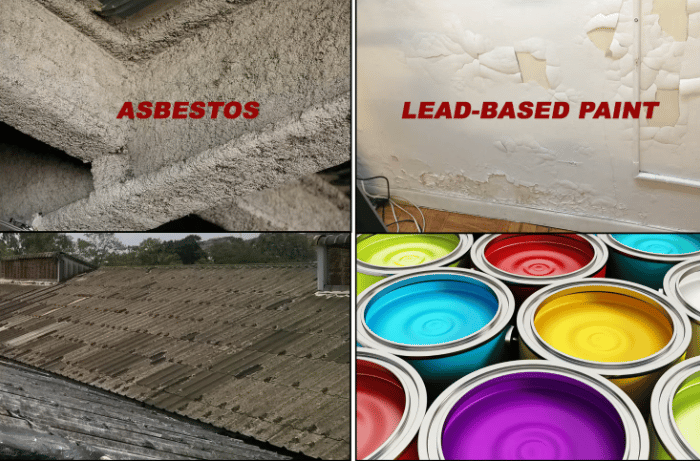
Asbestos and lead-based paint – you know them well. They lurk in older schools, housing complexes, military installations and other buildings, waiting silently to inflict disease and sometimes death on their occupants. Today, asbestos-containing materials (ACM) are found in over 700,000 buildings in the United States, and loose, flaking, or peeling lead-based paint (LBP) is present in more than 72 million United States homes, schools, and other buildings constructed before 1978.
Tuesday, May 12, 2020
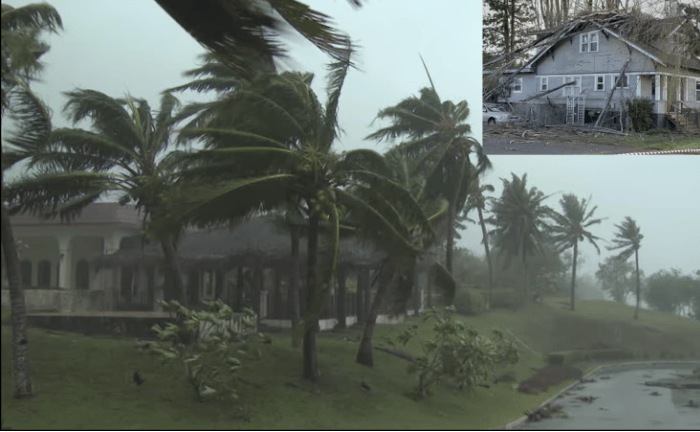
Every year damaging winds accompany hurricanes, typhoons and other strong wind events that leave a trail of destruction. Building and home owners are left with devastating huge building repairs and replacement costs. Some of these buildings can be salvaged and made stronger, defending against the next storm. Others are a complete write-off. It’s not unusual in all the destruction to see a building or house left standing with its roof and walls intact. This is usually a structure that is wind-resistant and better prepared to defend against a strong weather onslaught.

Wednesday, April 22, 2020
The first time I heard about Earth Day was when I was in the eighth grade and my well admired and clever science teacher opened up a discussion on the cons of earth day stating it was some sort of liberal nonsense and a hoax. This agitated most of the class.

Tuesday, April 14, 2020
Sustainable architecture is all about making sure that the buildings we get to live and work in do not have a negative impact on the environment.

Wednesday, March 25, 2020
I think we all agree that it’s so important to minimize the spread of germs. That is one of the most significant and preventative measures we can take.

Thursday, March 19, 2020
Do You Know Why the Right Protective Green Coating Resembles our Largest Organ? The right protective coating can protect all parts of a building just like the skin protects all parts of a body. Both are the first line of defense and without them both our bodies and buildings would be naked eventually causing a complete breakdown. Our largest organ, the skin on the outside of our bodies protects our muscles, organs, bones and brain from infections, sunlight, temperature extremes and other threats. The same is true with the right coating that covers the outside of a building protecting occupants and the structure itself. It prevents the deterioration of interior building components such as heating and cooling apparatus, plumbing, electric and furnishings.

Wednesday, February 19, 2020
The true cost of a paint or coating is not just the price per gallon/liter. There are direct and indirect costs to consider.
Monday, February 03, 2020
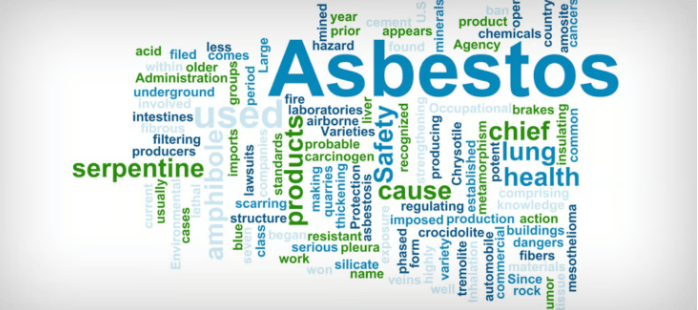
As I travel and work internationally, I encounter different aspects and opinions on asbestos. It has a long background of use in all types of situations and still widely used in building materials. To date, it is still mined and incorporated into many products in several countries. It is controversial at best. My goal is always to try and enlighten and not frighten about some of its uses and misconceptions. The fact is that as much as it is opposed and even outlawed in some parts of the world, it is still mined, exported and used in many others.
Friday, January 03, 2020
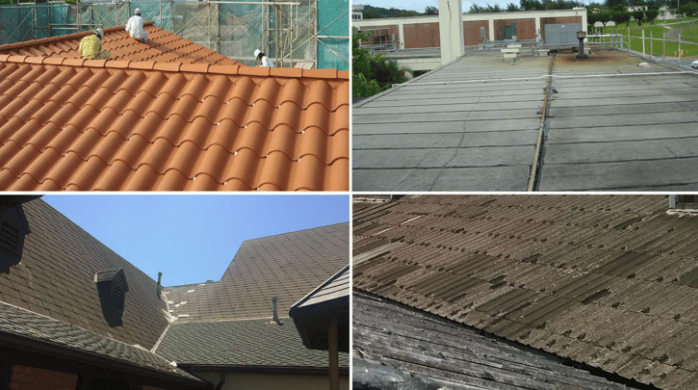
As I’ve studied the issues of what building components are the main culprits of polluting our environment of both soil and water along with generating the most waste, I’ve found that roofing can be a leading offender. This also includes air pollution if the roofing contains asbestos. Asbestos is a large content of many roofs and wall surfaces worldwide and its microscopic fibers are continually released into the environment as it breaks down.

Thursday, December 12, 2019
As I travel internationally and educate many on how to simply deal with solid hazardous materials and safely contain them with green coatings I’m always amazed how differently countries look at situations with building products and how to handle them.
Friday, November 29, 2019
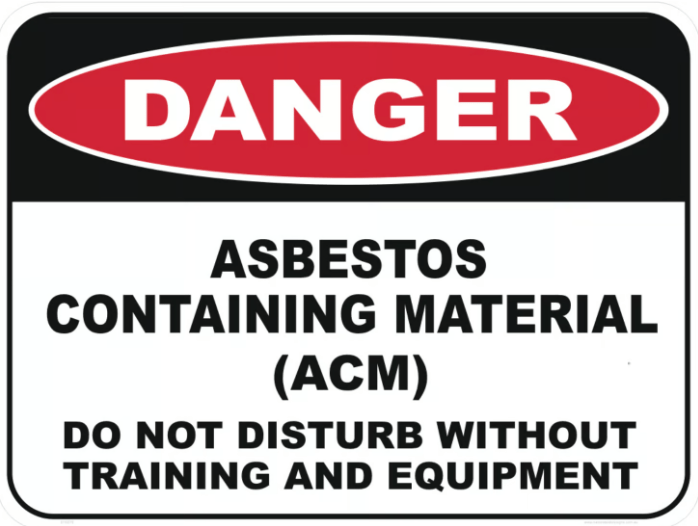
Asbestos – The three options when addressing asbestos in building materials are: first, full blown removal; second, do nothing and leave it alone; and the third, in-place management.