Blogs Where Nature Meets Science & Coatings
"If All the Greedy People that Pollute can get Together & Show Strength in Unity – then Honest, Environmentalists Must Do the Same. You See – It’s as Simple As That.” George C. Keefe - ENCASEMENT Guy
Blogs Where Nature Meets Science & Coatings
"If All the Greedy People that Pollute can get Together & Show Strength in Unity – then Honest, Environmentalists Must Do the Same. You See – It’s as Simple As That.” George C. Keefe - ENCASEMENT Guy
Tuesday, May 13, 2025
By: George C. Keefe
“If all the greedy polluters can band together to protect their interests, then honest environmentalists must do the same. It's as simple as that.”
Listen and Learn: Dive into the Audio Version of Our Blog
In an era where climate awareness meets architectural innovation, energy-efficient and passive homes & buildings represent our brightest hope for sustainable living.
These meticulously designed structures, with their near-zero energy footprints, symbolize humanity's commitment to environmental stewardship.
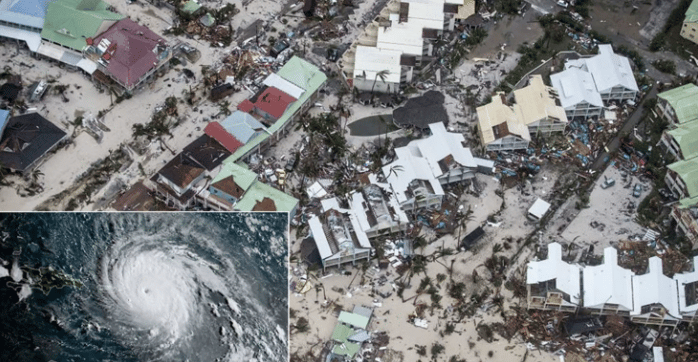
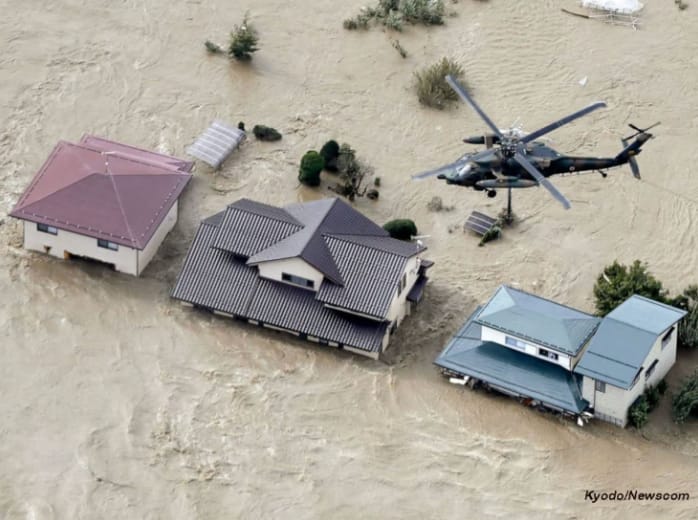
In this episode I explore that as extreme weather events increase in both frequency and intensity, a critical question emerges: are we doing enough to protect these sustainable marvels from nature's unpredictable fury?
Why Climate Alert {Energy Innovative Buildings} Need Defense
The very features that make passive buildings and homes energy efficient—tight building envelopes, precision engineering, and specialized materials—can become significant liabilities when compromised by storm damage.
A single breach in this carefully calibrated system doesn't just mean cosmetic damage; it can undermine the entire energy efficiency framework that these buildings are designed around.
"When high-performance buildings are damaged, the cost isn't just measured in repair expenses," notes sustainability experts.
"It's measured in lost efficiency, increased carbon footprints, and compromised indoor environmental quality that may never fully recover without proper protection."
Defensive ENCASEMENT: The Shield Your Green Building Deserves
This is where preventative defense becomes not just smart—but essential.
Advanced green protective coatings offer a revolutionary approach to safeguarding your investment in sustainability.
Unlike traditional weatherproofing methods, modern ENCASEMENT solutions create a long-lasting, seamless, fully adhered protective membrane that bonds directly to your building's exterior surfaces.
These innovative coatings don't just cover your building—they defend it, creating an impenetrable barrier against wind penetration, water intrusion, UV degradation, and impact damage.
The result?
Your energy-efficient design remains intact, performing exactly as intended year after year, storm after storm.
Beyond Protection: Enhanced Performance
The most advanced protective solutions don't just preserve your building's efficiency—they enhance it.
Solar-reflective coatings can dramatically reduce cooling loads during summer months, while waterproof membranes prevent the moisture intrusion that can degrade insulation values and lead to energy-robbing thermal bridges.
A thermal bridge (also known as a cold bridge, heat bridge, or thermal bypass) is a localized area or component within a building's envelope where heat flows more readily due to a path of least thermal resistance.
By eliminating vulnerability points like fasteners, seams, and joints that traditional materials require, encasement technology removes
the weak links where weather forces typically begin their assault on building integrity.
This seamless protection ensures that air leakage pathways remain sealed, maintaining the tight building envelope that passive design requires.
A Sustainable Approach to Building Defense
Perhaps most importantly, modern green encasement solutions align perfectly with the sustainability values that drive energy-efficient construction.
With zero VOCs, non-toxic formulations, and biodegradable components, these protective systems extend your building's environmental benefits rather than compromising them.
The financial mathematics are equally compelling.
By preventing damage rather than repairing it after disaster strikes, protective encasement can save up to 75% compared to removal and replacement costs.
Additionally, many systems offer renewable warranties extending up to 20 years per cycle, providing decades of peace of mind.
To Sum IT Up:
Proactive Protection: The Time Is Now
As we invest billions in creating more energy-efficient building stock nationwide, protecting these investments becomes not just prudent but necessary.
The most sophisticated passive house becomes an energy liability when its protective envelope fails.
By implementing comprehensive defensive strategies before disaster strikes, we ensure that our green buildings fulfill their promises of efficiency, sustainability, and resilience.
In a world where extreme weather is the new normal, defensive preparation isn't optional—it's essential.
The time for proactive protection is now.
With advanced green ENCASEMENT solutions, we can build not just for energy efficiency today, but for sustained performance through whatever environmental challenges tomorrow may bring
Your commitment to energy efficiency deserves nothing less than complete protection.
Don't risk losing what you've worked so hard to create.
Defend your sustainable future with protective solutions that last as long as your vision.
See other posts like this one:
Thursday, July 30, 2020
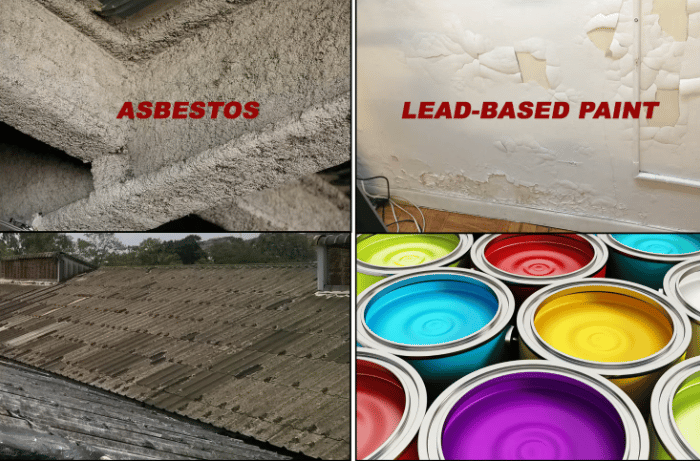
Asbestos and lead-based paint – you know them well. They lurk in older schools, housing complexes, military installations and other buildings, waiting silently to inflict disease and sometimes death on their occupants. Today, asbestos-containing materials (ACM) are found in over 700,000 buildings in the United States, and loose, flaking, or peeling lead-based paint (LBP) is present in more than 72 million United States homes, schools, and other buildings constructed before 1978.
Tuesday, May 12, 2020
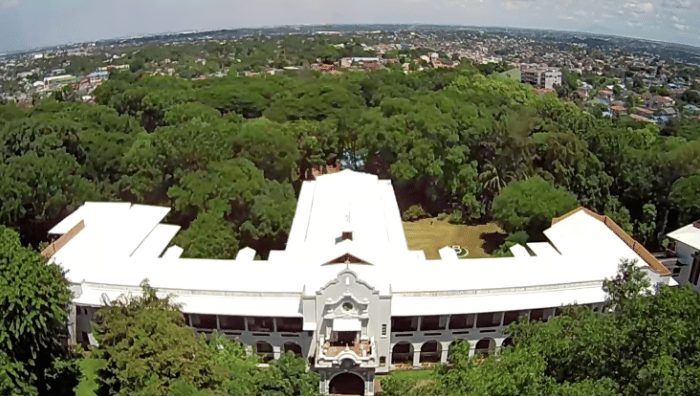
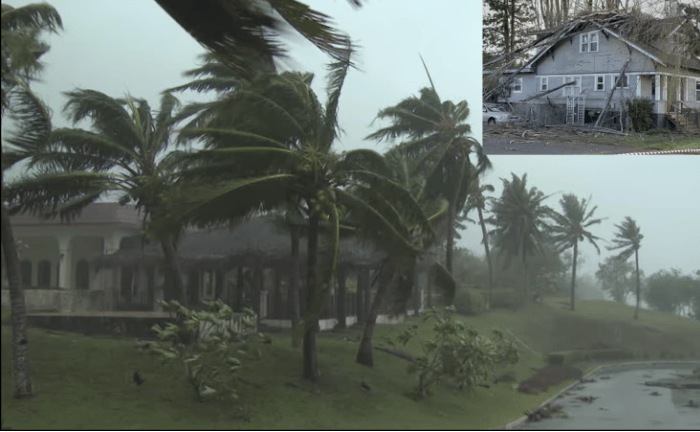
Every year damaging winds accompany hurricanes, typhoons and other strong wind events that leave a trail of destruction. Building and home owners are left with devastating huge building repairs and replacement costs. Some of these buildings can be salvaged and made stronger, defending against the next storm. Others are a complete write-off. It’s not unusual in all the destruction to see a building or house left standing with its roof and walls intact. This is usually a structure that is wind-resistant and better prepared to defend against a strong weather onslaught.

Wednesday, April 22, 2020
The first time I heard about Earth Day was when I was in the eighth grade and my well admired and clever science teacher opened up a discussion on the cons of earth day stating it was some sort of liberal nonsense and a hoax. This agitated most of the class.
Tuesday, April 14, 2020
Sustainable architecture is all about making sure that the buildings we get to live and work in do not have a negative impact on the environment.

Wednesday, March 25, 2020
I think we all agree that it’s so important to minimize the spread of germs. That is one of the most significant and preventative measures we can take.

Thursday, March 19, 2020
Do You Know Why the Right Protective Green Coating Resembles our Largest Organ? The right protective coating can protect all parts of a building just like the skin protects all parts of a body. Both are the first line of defense and without them both our bodies and buildings would be naked eventually causing a complete breakdown. Our largest organ, the skin on the outside of our bodies protects our muscles, organs, bones and brain from infections, sunlight, temperature extremes and other threats. The same is true with the right coating that covers the outside of a building protecting occupants and the structure itself. It prevents the deterioration of interior building components such as heating and cooling apparatus, plumbing, electric and furnishings.

Wednesday, February 19, 2020
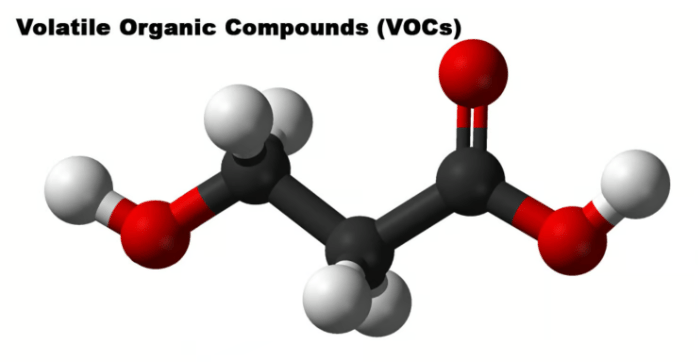
The true cost of a paint or coating is not just the price per gallon/liter. There are direct and indirect costs to consider.
Monday, February 03, 2020
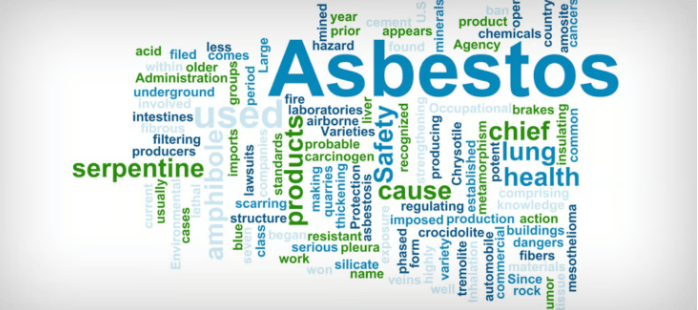
As I travel and work internationally, I encounter different aspects and opinions on asbestos. It has a long background of use in all types of situations and still widely used in building materials. To date, it is still mined and incorporated into many products in several countries. It is controversial at best. My goal is always to try and enlighten and not frighten about some of its uses and misconceptions. The fact is that as much as it is opposed and even outlawed in some parts of the world, it is still mined, exported and used in many others.
Friday, January 03, 2020
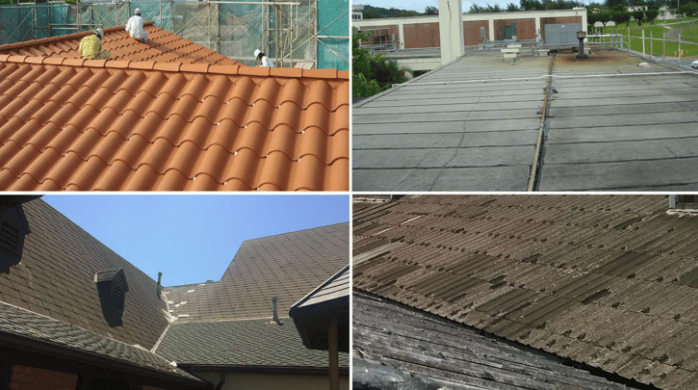
As I’ve studied the issues of what building components are the main culprits of polluting our environment of both soil and water along with generating the most waste, I’ve found that roofing can be a leading offender. This also includes air pollution if the roofing contains asbestos. Asbestos is a large content of many roofs and wall surfaces worldwide and its microscopic fibers are continually released into the environment as it breaks down.

Thursday, December 12, 2019
As I travel internationally and educate many on how to simply deal with solid hazardous materials and safely contain them with green coatings I’m always amazed how differently countries look at situations with building products and how to handle them.
Friday, November 29, 2019
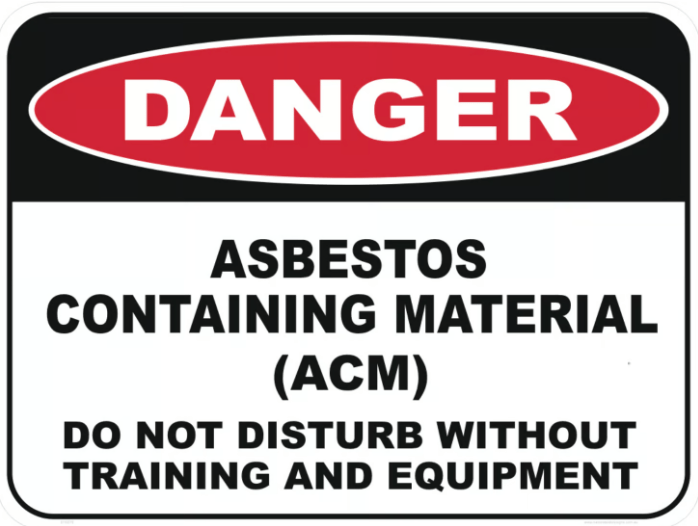
Asbestos – The three options when addressing asbestos in building materials are: first, full blown removal; second, do nothing and leave it alone; and the third, in-place management.