Blogs Where Nature Meets Science & Coatings
"If All the Greedy People that Pollute can get Together & Show Strength in Unity – then Honest, Environmentalists Must Do the Same. You See – It’s as Simple As That.” George C. Keefe - ENCASEMENT Guy
Blogs Where Nature Meets Science & Coatings
"If All the Greedy People that Pollute can get Together & Show Strength in Unity – then Honest, Environmentalists Must Do the Same. You See – It’s as Simple As That.” George C. Keefe - ENCASEMENT Guy
Monday, April 22, 2024

Listen and Learn: Dive into the Audio Version of Our Blog
In the spring of 1970, the first Earth Day remains a landmark moment that deeply influenced my perspective on environmental conservation.
It was during an eighth-grade science class that I encountered an impassioned debate about Earth Day, triggered by my science teacher's controversial views.
This teacher, Mr. Robert Plier whom I greatly admired for his intellect and caring approach with his students, surprised us by dismissing Earth Day as "liberal nonsense" and a "hoax."
In this episode, I honor one of my favorite teachers and his provocative claim that Earth could indefinitely sustain human pollution without adverse effects, asserting that our oceans were too vast and deep to be harmed by our waste, and our atmosphere too expansive to be polluted by industrial emissions.
This bold assertion shocked my classmates and me, sparking an intense discussion.
Mr. Plier our teacher argued that we could dump waste anywhere, and somehow, magically, the Earth would remain unscathed.
His stance was designed not as a genuine belief but as a strategy to provoke us and stimulate a critical evaluation of environmental issues.
Despite our initial shock, we soon realized the purpose behind his provoking statements.
He was playing the role of devil’s advocate, aiming to ignite a fiery debate about the true significance of Earth Day and the broader environmental challenges we faced.
His method was unconventional but effective in teaching us that environmental protection is not a guarantee—there are always individuals and entities ready to exploit natural resources for short-term gains, often underestimating or ignoring the planet’s ecological limits.
Throughout the class discussion, it became clear that our planet's resilience has boundaries.
The Earth's capacity to absorb waste and pollution is finite, as are its supplies of clean air, fresh water, and other vital resources.
Our teacher emphasized that preventing pollution starts with each individual, highlighting the interconnectedness of our environmental actions and their repercussions.
His point was sharp and penetrating: whatever happens upstream will invariably impact those downstream and we all now live downstream.
This lesson was transformative and has never left me.
By challenging us to defend Earth Day and the principles it stood for, our teacher left an permanent mark on our understanding of environmental stewardship.
It was a masterful demonstration of how educators can profoundly influence their students’ views and inspire them to advocate for critical causes like environmental conservation.
Now, as we continue to navigate the complexities of environmental challenges and political debates surrounding them, the lessons of that first Earth Day are more relevant than ever.
We are reminded of the urgent need to halt pollution and safeguard the natural resources that sustain life on Earth.
Every action we take to preserve these resources is crucial, and Earth Day serves as a potent reminder of our collective responsibility.
Celebrating Earth Day should not be confined to a single day each year but embraced as a daily commitment to respect and protect our planet.
This commitment is vital not only for our generation but for future generations who will inherit this Earth.
It's also a celebration of the influential role teachers like Mr. Plier play in shaping how we think about and interact with the world around us.
So, let us honor Earth Day every day and acknowledge the profound impact of educators, like Mr. Plier, my eighth-grade science teacher, who challenge their students to think critically and advocate for a sustainable future.
Together, we can ensure that respect for our planet remains a cornerstone of our actions, safeguarding the environment for years to come.
“A teacher's job is to take a bunch of live wires and see that they are well-grounded.” Darwin D. Martin - 20th-Century New York State Businessman
“If All the Greedy People that Pollute can get Together & Show Strength in Unity – then Honest, Environmentalists Must Do the Same. You See – It’s as Simple As That.” - George C. Keefe - ENCASEMENT Guy, Founder/CEO- Global Encasement Incorporated & Green Coatings Enthusiast.
What are your questions?
We are always here to help and excited to answer them.
Contact us at +1 (800) 266-3982 , or send us an email at service@encasement.com and leave a comment below.
See other posts like this one:
Thursday, July 30, 2020
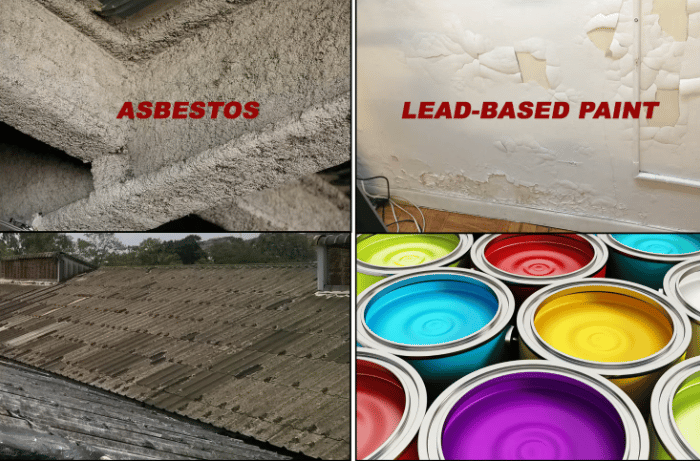
Asbestos and lead-based paint – you know them well. They lurk in older schools, housing complexes, military installations and other buildings, waiting silently to inflict disease and sometimes death on their occupants. Today, asbestos-containing materials (ACM) are found in over 700,000 buildings in the United States, and loose, flaking, or peeling lead-based paint (LBP) is present in more than 72 million United States homes, schools, and other buildings constructed before 1978.
Tuesday, May 12, 2020
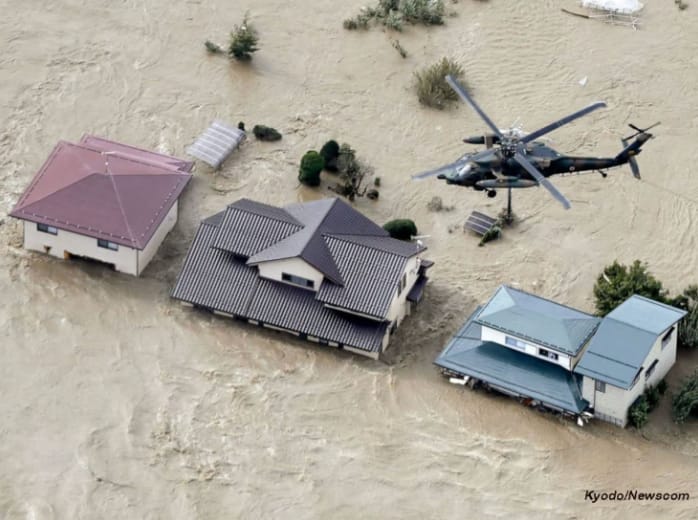
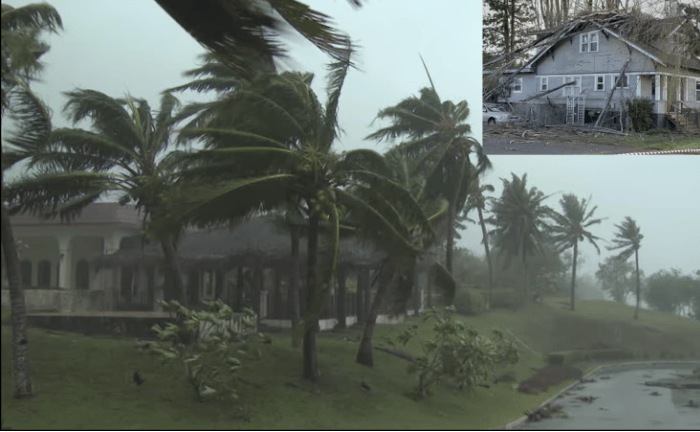
Every year damaging winds accompany hurricanes, typhoons and other strong wind events that leave a trail of destruction. Building and home owners are left with devastating huge building repairs and replacement costs. Some of these buildings can be salvaged and made stronger, defending against the next storm. Others are a complete write-off. It’s not unusual in all the destruction to see a building or house left standing with its roof and walls intact. This is usually a structure that is wind-resistant and better prepared to defend against a strong weather onslaught.

Wednesday, April 22, 2020
The first time I heard about Earth Day was when I was in the eighth grade and my well admired and clever science teacher opened up a discussion on the cons of earth day stating it was some sort of liberal nonsense and a hoax. This agitated most of the class.

Tuesday, April 14, 2020
Sustainable architecture is all about making sure that the buildings we get to live and work in do not have a negative impact on the environment.

Wednesday, March 25, 2020
I think we all agree that it’s so important to minimize the spread of germs. That is one of the most significant and preventative measures we can take.

Thursday, March 19, 2020
Do You Know Why the Right Protective Green Coating Resembles our Largest Organ? The right protective coating can protect all parts of a building just like the skin protects all parts of a body. Both are the first line of defense and without them both our bodies and buildings would be naked eventually causing a complete breakdown. Our largest organ, the skin on the outside of our bodies protects our muscles, organs, bones and brain from infections, sunlight, temperature extremes and other threats. The same is true with the right coating that covers the outside of a building protecting occupants and the structure itself. It prevents the deterioration of interior building components such as heating and cooling apparatus, plumbing, electric and furnishings.

Wednesday, February 19, 2020
The true cost of a paint or coating is not just the price per gallon/liter. There are direct and indirect costs to consider.
Monday, February 03, 2020
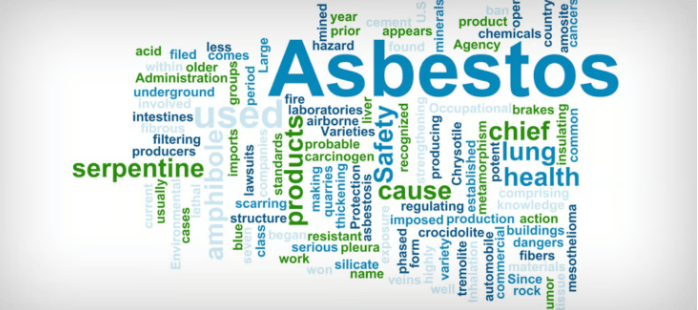
As I travel and work internationally, I encounter different aspects and opinions on asbestos. It has a long background of use in all types of situations and still widely used in building materials. To date, it is still mined and incorporated into many products in several countries. It is controversial at best. My goal is always to try and enlighten and not frighten about some of its uses and misconceptions. The fact is that as much as it is opposed and even outlawed in some parts of the world, it is still mined, exported and used in many others.
Friday, January 03, 2020
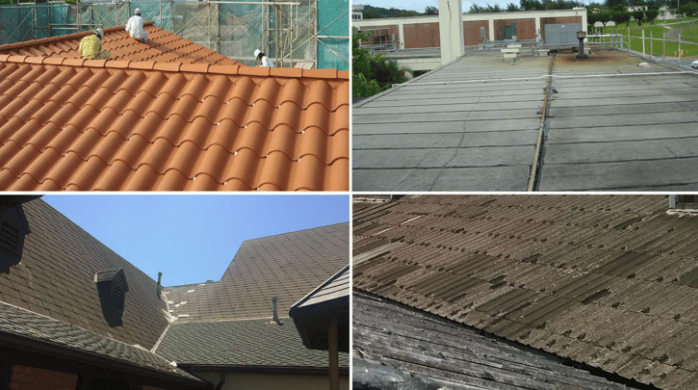
As I’ve studied the issues of what building components are the main culprits of polluting our environment of both soil and water along with generating the most waste, I’ve found that roofing can be a leading offender. This also includes air pollution if the roofing contains asbestos. Asbestos is a large content of many roofs and wall surfaces worldwide and its microscopic fibers are continually released into the environment as it breaks down.

Thursday, December 12, 2019
As I travel internationally and educate many on how to simply deal with solid hazardous materials and safely contain them with green coatings I’m always amazed how differently countries look at situations with building products and how to handle them.
Friday, November 29, 2019
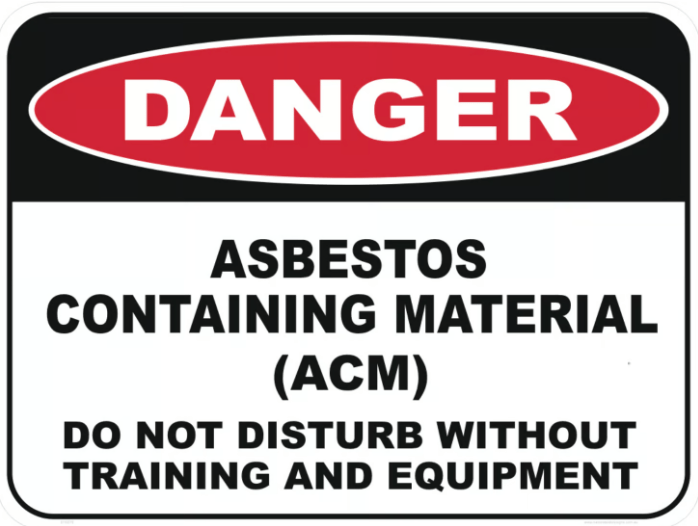
Asbestos – The three options when addressing asbestos in building materials are: first, full blown removal; second, do nothing and leave it alone; and the third, in-place management.