Blogs Where Nature Meets Science & Coatings
"If All the Greedy People that Pollute can get Together & Show Strength in Unity – then Honest, Environmentalists Must Do the Same. You See – It’s as Simple As That.” George C. Keefe - ENCASEMENT Guy
Blogs Where Nature Meets Science & Coatings
"If All the Greedy People that Pollute can get Together & Show Strength in Unity – then Honest, Environmentalists Must Do the Same. You See – It’s as Simple As That.” George C. Keefe - ENCASEMENT Guy
Friday, February 20, 2026

By: George Keefe
"If all the greedy polluters can band together to protect their interests, then honest environmentalists must do the same. It's as simple as that.
Listen and Learn: Dive into the Audio Version of Our Blog
The climate debate is often in deadlock.
I've had countless conversations that hit the same wall.
Someone dismisses climate change as a hoax, and suddenly we're at an impasse.
Years ago, I would have pushed back harder, armed with data and statistics, determined to prove my point.
But I learned something valuable: arguing rarely changes minds.
Instead, it builds walls between people who actually want many of the same things.
The real problem isn't just differing opinions about global temperature trends.
It's that we're losing precious time we could spend solving issues we all recognize.
While we debate terminology and timelines, our air grows hazier, our waterways collect more waste, and our children breathe in consequences neither side wants for them.
We're stuck in a stalemate over labels when we could be making progress on substance.
Finding Our Shared Values
Now, when someone tells me climate change is a hoax, I take a different approach.
I simply ask: "What about pollution? Do you think pollution is harmful?"
Without exception, every single person has agreed that yes, pollution is problematic.
Nobody wants smog-filled skies.
Nobody wants contaminated drinking water.
Nobody wants their kids playing in toxic environments.
This is our common ground, and it's more powerful than any argument.
From this foundation, we can have real conversations.
Which types of pollution concern you most?
Industrial emissions choking our cities?
Plastics filling our oceans?
Chemical runoff poisoning our groundwater?
These aren't abstract, politicized concepts.
They're tangible problems affecting real communities right now.
When we focus here, the conversation shifts from debate to collaboration.
We can explore solutions together: transitioning to cleaner energy sources that reduce air pollution, supporting technologies that minimize waste, advocating for stronger regulations on industrial contaminants.
Whether you call it environmentalism or simply wanting cleaner communities, we're working toward the same healthier future.
Progress Through Unity
Here's what I've discovered through these conversations: we accomplish far more through agreement than argument.
When we start from shared values, people become genuinely engaged in finding answers.
They're no longer defending a position; they're partnering in problem-solving.
I've watched skeptics become advocates for solar energy in their communities, not because they suddenly embraced climate science, but because they recognized cleaner air benefits everyone.
I've seen people who dismissed environmental concerns join initiatives to reduce local pollution because protecting their families' health mattered deeply to them.
The fear of loss is universal.
We all fear losing the world we want to leave our children.
We all fear watching our communities decline.
We all fear the consequences of inaction, even if we frame those consequences differently.
By meeting people where they are, acknowledging their concerns as valid, and building from our common ground, we create movement.
Real, measurable progress happens when we stop trying to win arguments and start working together on solutions we all support.
Climate change, pollution, environmental degradation—call it whatever helps you engage with it.
What matters is that we're all breathing the same air, drinking the same water, and sharing this one planet.
Let's focus on that truth and move forward together.
“The greatest danger to our future is apathy.” — Jane Goodall
See other posts like this one:

Tuesday, September 01, 2020
As weather becomes extremely unpredictable around the world, there is an urgent need to strengthen those places that protect us and our contents from harsh, rapidly changing climates.
Thursday, July 30, 2020
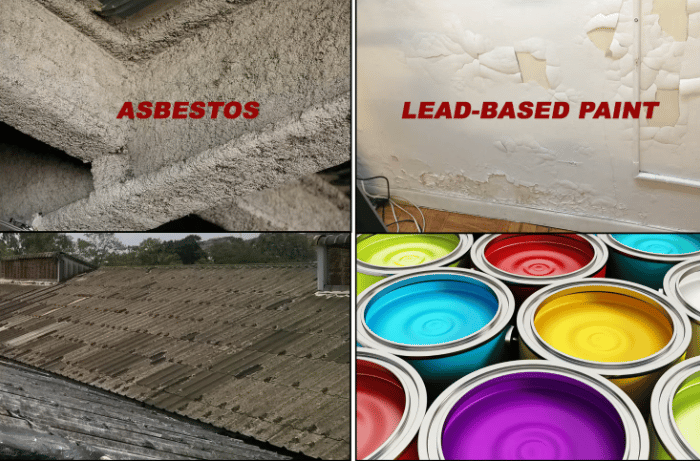
Asbestos and lead-based paint – you know them well. They lurk in older schools, housing complexes, military installations and other buildings, waiting silently to inflict disease and sometimes death on their occupants. Today, asbestos-containing materials (ACM) are found in over 700,000 buildings in the United States, and loose, flaking, or peeling lead-based paint (LBP) is present in more than 72 million United States homes, schools, and other buildings constructed before 1978.


Tuesday, May 12, 2020
Every year damaging winds accompany hurricanes, typhoons and other strong wind events that leave a trail of destruction. Building and home owners are left with devastating huge building repairs and replacement costs. Some of these buildings can be salvaged and made stronger, defending against the next storm. Others are a complete write-off. It’s not unusual in all the destruction to see a building or house left standing with its roof and walls intact. This is usually a structure that is wind-resistant and better prepared to defend against a strong weather onslaught.

Wednesday, April 22, 2020
The first time I heard about Earth Day was when I was in the eighth grade and my well admired and clever science teacher opened up a discussion on the cons of earth day stating it was some sort of liberal nonsense and a hoax. This agitated most of the class.

Tuesday, April 14, 2020
Sustainable architecture is all about making sure that the buildings we get to live and work in do not have a negative impact on the environment.

Wednesday, March 25, 2020
I think we all agree that it’s so important to minimize the spread of germs. That is one of the most significant and preventative measures we can take.

Thursday, March 19, 2020
Do You Know Why the Right Protective Green Coating Resembles our Largest Organ? The right protective coating can protect all parts of a building just like the skin protects all parts of a body. Both are the first line of defense and without them both our bodies and buildings would be naked eventually causing a complete breakdown. Our largest organ, the skin on the outside of our bodies protects our muscles, organs, bones and brain from infections, sunlight, temperature extremes and other threats. The same is true with the right coating that covers the outside of a building protecting occupants and the structure itself. It prevents the deterioration of interior building components such as heating and cooling apparatus, plumbing, electric and furnishings.

Wednesday, February 19, 2020
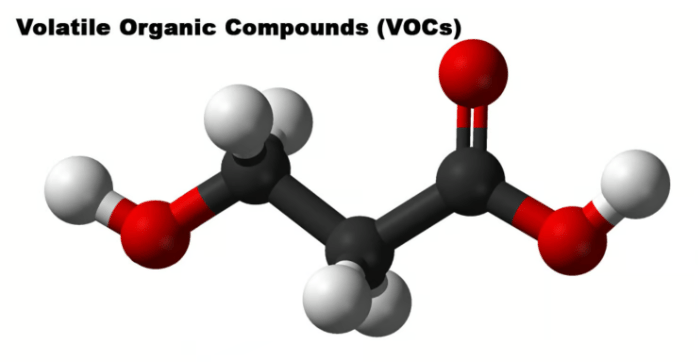
The true cost of a paint or coating is not just the price per gallon/liter. There are direct and indirect costs to consider.
Monday, February 03, 2020
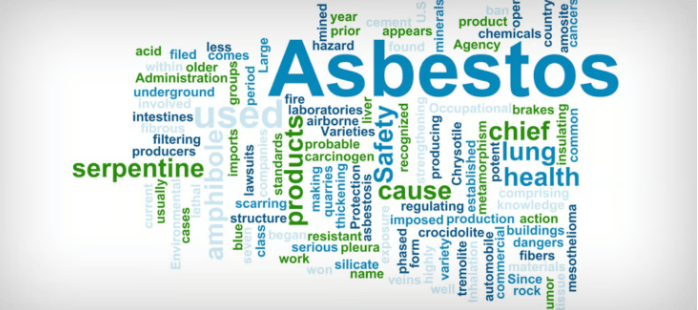
As I travel and work internationally, I encounter different aspects and opinions on asbestos. It has a long background of use in all types of situations and still widely used in building materials. To date, it is still mined and incorporated into many products in several countries. It is controversial at best. My goal is always to try and enlighten and not frighten about some of its uses and misconceptions. The fact is that as much as it is opposed and even outlawed in some parts of the world, it is still mined, exported and used in many others.
Friday, January 03, 2020
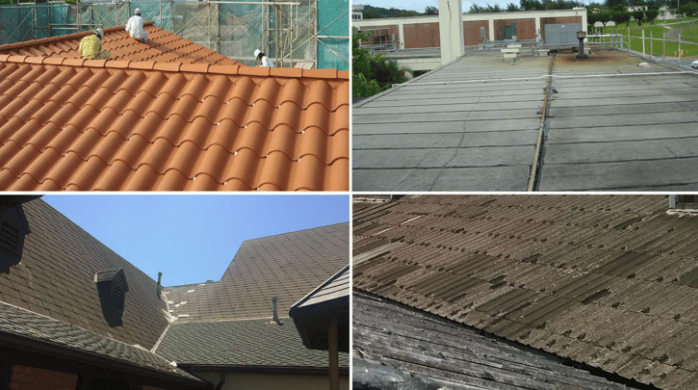
As I’ve studied the issues of what building components are the main culprits of polluting our environment of both soil and water along with generating the most waste, I’ve found that roofing can be a leading offender. This also includes air pollution if the roofing contains asbestos. Asbestos is a large content of many roofs and wall surfaces worldwide and its microscopic fibers are continually released into the environment as it breaks down.

Thursday, December 12, 2019
As I travel internationally and educate many on how to simply deal with solid hazardous materials and safely contain them with green coatings I’m always amazed how differently countries look at situations with building products and how to handle them.
Friday, November 29, 2019
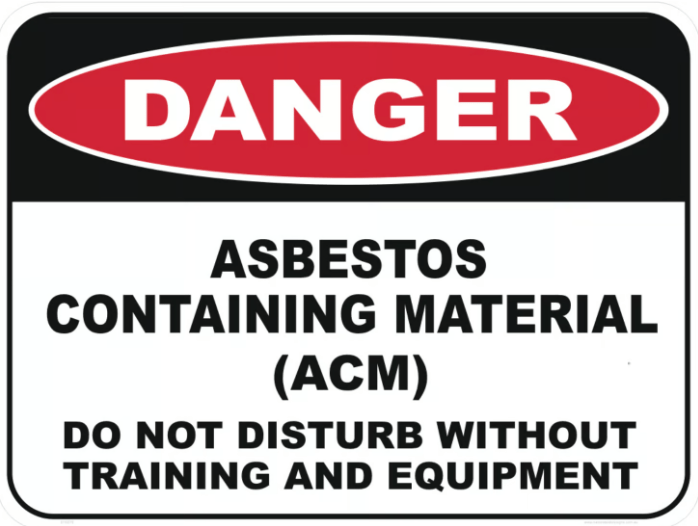
Asbestos – The three options when addressing asbestos in building materials are: first, full blown removal; second, do nothing and leave it alone; and the third, in-place management.